
Содержание
Melasma: A Chronic Condition with Seasonal Recurrence
Melasma is a common skin hyperpigmentation that manifests as dark patches, usually on the face. Its chronic nature makes it a challenge for those who suffer from it, and its seasonal recurrence is one of the biggest frustrations. At Santé Clínica Estética, we understand this concern and offer a medical approach to its management.
The main reason melasma tends to reappear every summer is its strong link to exposure to ultraviolet (UV) radiation and visible light. Although other factors such as hormonal changes, genetics, and certain medications also play a role, the sun acts as a key trigger, reactivating melanin production in affected areas.
Key Factors in Melasma Recurrence
Understanding the mechanisms behind melasma is fundamental to addressing its recurrence. Our doctors explain the most relevant factors:
1. Skin Memory and UV Radiation
Skin with melasma has a special “memory” for sun exposure. Melanocytes (pigment-producing cells) in these areas are hyperactive and more sensitive to UV radiation. Even minimal sun exposure can reactivate excessive melanin production, causing the spots to reappear or intensify.
2. Exposure to High-Energy Visible Light (HEV)
Not only UV rays are responsible. Visible light, especially blue or high-energy visible (HEV) light, also contributes to melasma pigmentation. This means that sun protection must go beyond traditional UV filters and consider protection against the full spectrum of sunlight.
3. Hormonal Changes and Genetic Predisposition
Although the sun is the main external trigger, internal factors play a crucial role. Hormonal changes, such as those associated with pregnancy (chloasma or “mask of pregnancy”) or the use of oral contraceptives, can predispose to the appearance or recurrence of melasma. Genetics also influence, making some people more susceptible.
According to the Spanish Academy of Dermatology and Venereology (AEDV), melasma predominantly affects women, accounting for more than 90% of cases, and its incidence increases with cumulative sun exposure.
Breaking the Cycle: Medical and Preventive Strategies
At Santé Clínica Estética, our goal is to help you break the cycle of melasma recurrence through a personalized medical and preventive treatment plan. Consistency and commitment are essential.
1. Rigorous and Constant Sun Protection
This is the cornerstone of melasma management. We recommend daily use of broad-spectrum sunscreens (SPF 50+) that protect against UVA, UVB, and visible light. Application should be generous and frequent, every 2-3 hours, even on cloudy days or indoors if there is exposure to windows. Supplementing with physical measures such as wide-brimmed hats and sunglasses is crucial.
2. Medical Depigmenting Treatments
Our doctors can recommend and supervise topical treatments with active ingredients such as kojic acid, azelaic acid, vitamin C, or retinol. These act by inhibiting melanin production and promoting cell renewal to lighten existing spots, and can be complemented with our line of medical skincare products.
3. In-Clinic Procedures for Advanced Control
To address melasma more intensively and control its recurrence, at Santé we offer a range of treatments performed by our doctors:
- Medical Chemical Peels: Help exfoliate the superficial layers of the skin, removing accumulated pigment and improving texture.
- Q-Switched Laser: This type of laser is effective for fragmenting pigment without damaging surrounding tissue. It is used with caution and at specific parameters for melasma, always under medical supervision. Results vary depending on skin type and melasma depth.
- Depigmenting Mesotherapy: Consists of microinjections of depigmenting substances and vitamins directly into the affected areas to act locally.
- Microneedling: Can be combined with depigmenting serums to improve the penetration of active ingredients and stimulate cell renewal.
- IPL (Intense Pulsed Light): In some cases, and with appropriate medical evaluation, IPL may be an option for epidermal melasma, always with extreme caution due to the risk of post-inflammatory hyperpigmentation.
It is essential to understand that melasma treatment is a long-term process. Individual results may vary, and consistency in sun protection and medical follow-up are key to keeping spots under control. Our doctors will explain what to expect and how to evaluate results at each stage.
How Santé Clínica Estética Addresses It
At Santé Clínica Estética, each melasma patient receives a customized treatment plan. Our process includes:
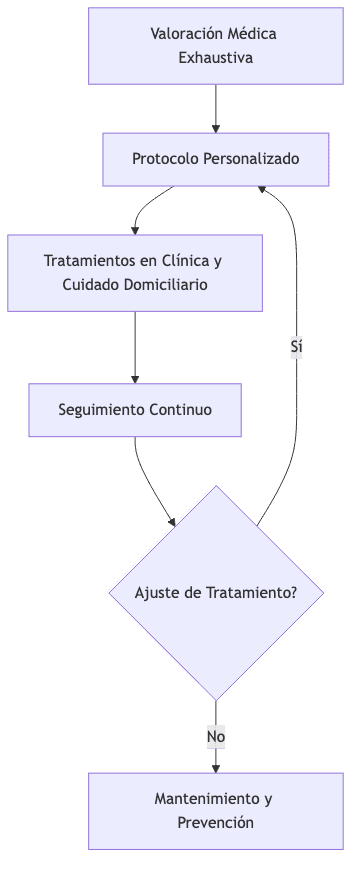
- Exhaustive Medical Evaluation: A qualified doctor will perform a complete assessment of your skin, medical history, and triggering factors to determine the type and depth of your melasma.
- Personalized Protocol: Based on the evaluation, a protocol will be established that may include topical treatments, in-clinic procedures, and home care recommendations.
- Continuous Follow-up: Melasma requires long-term management. We provide regular follow-up to adjust treatment according to your skin's response and the seasons.
- Free Aesthetic Consultation: We invite you to a free aesthetic consultation to discuss your concerns and explore treatment options. Our team speaks Spanish, English, Portuguese, and Russian.
Key Points
- Melasma reappears in summer due to the skin's sensitivity to UV radiation and visible light.
- Rigorous and constant sun protection is the most important preventive measure.
- Medical treatments such as peels, Q-Switched laser, and depigmenting mesotherapy can control spots.
- Melasma management requires a comprehensive medical approach and long-term commitment.
- At Santé, we offer personalized plans and continuous medical follow-up to address this condition.
Frequently Asked Questions
Can I completely prevent melasma recurrence?
While it is difficult to prevent it 100% due to its chronic and multifactorial nature, rigorous sun protection and consistent medical treatment can significantly minimize its reappearance and the intensity of the spots.
What is the best treatment for melasma?
There is no single “best” treatment, as melasma is complex. The most effective approach is usually a combination of strict sun protection, topical depigmenting agents, and in-clinic procedures such as peels or laser, all under medical supervision.
How long does it take to see results from treatments?
Results may begin to be visible after several weeks or months of consistent treatment, depending on the depth and extent of the melasma, as well as the type of treatment. Patience and adherence to the medical plan are fundamental.
Is laser safe for melasma?
Yes, certain types of laser, such as Q-Switched, can be safe and effective for melasma when performed by experienced doctors and with appropriate parameters. A prior medical evaluation is crucial to determine suitability and minimize risks such as post-inflammatory hyperpigmentation.
What should I do if my melasma worsens in summer despite sun protection?
If your melasma worsens despite diligent sun protection, it is essential to consult with our doctors. We may need to adjust your protection regimen, review topical treatments, or consider more intensive in-clinic procedures to control the pigmentation.