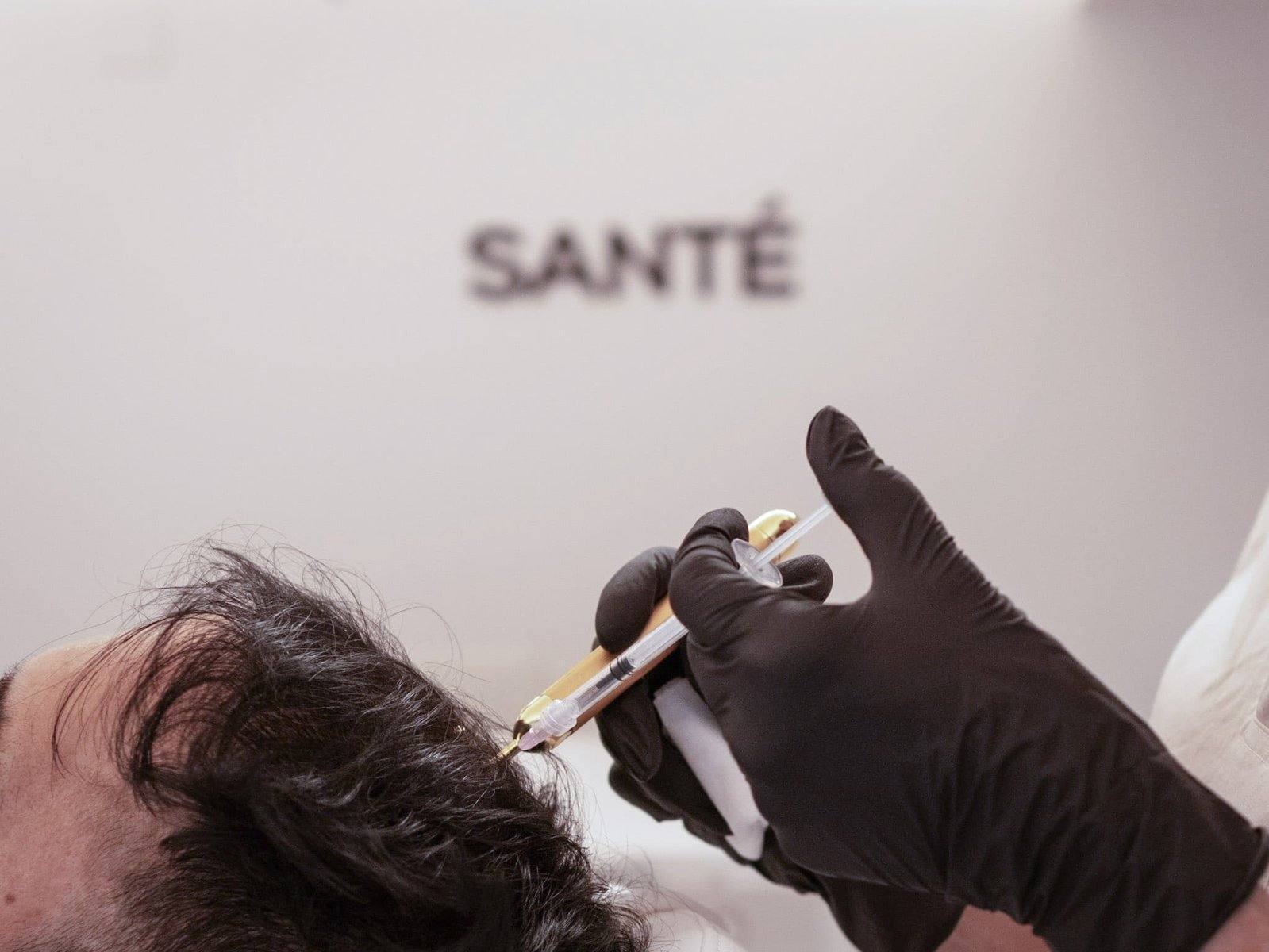
Crown thinning
About the Treatment
Crown thinning
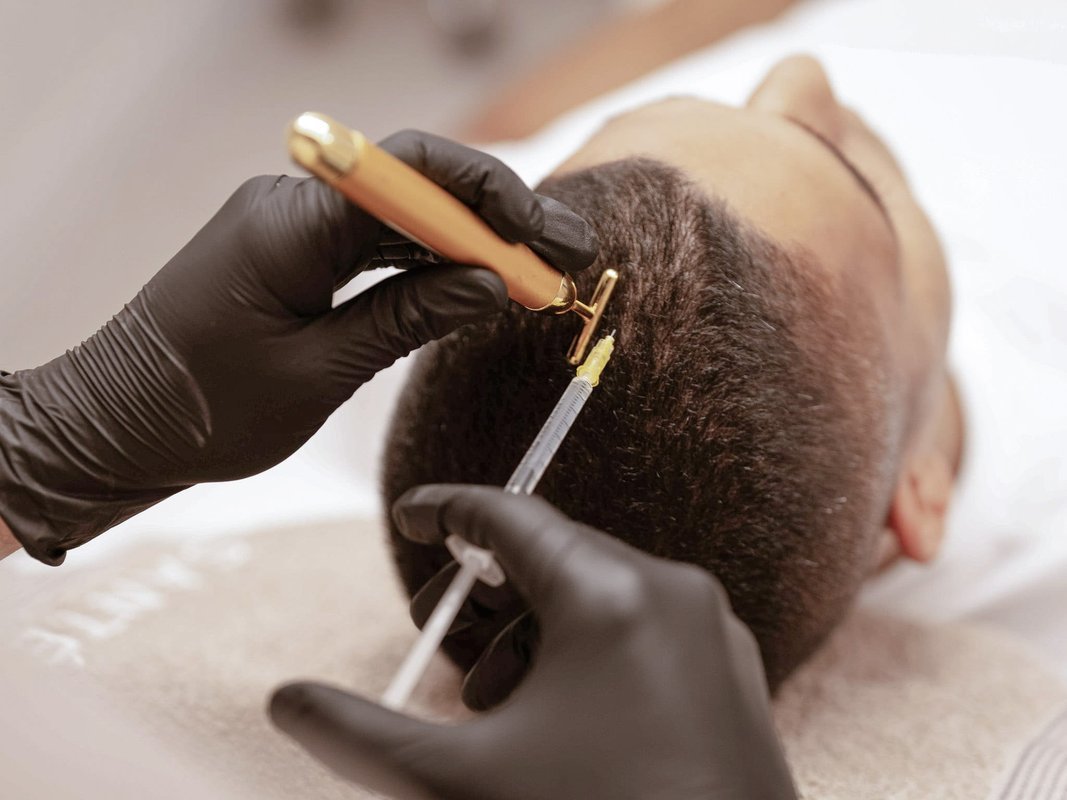
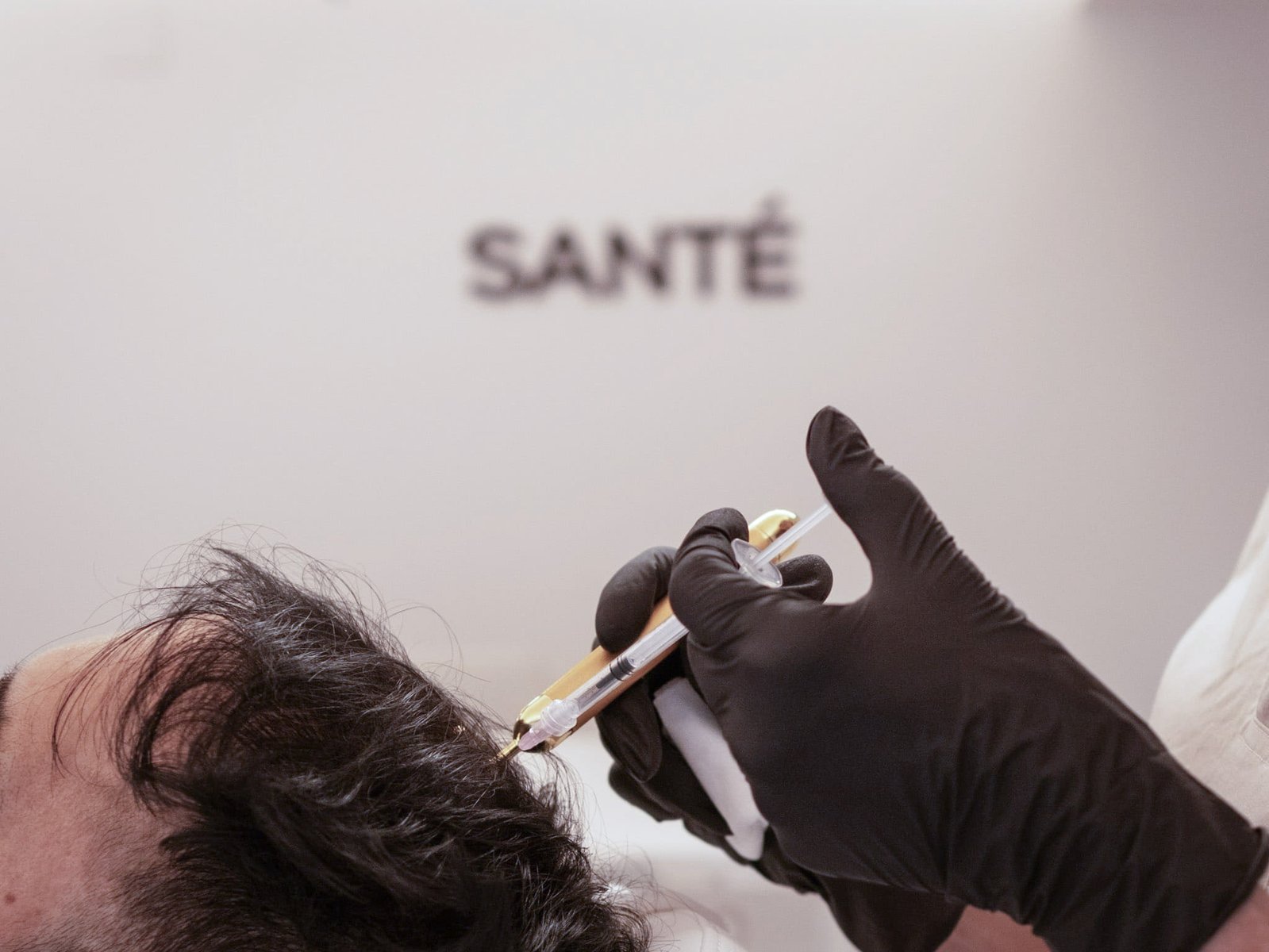
Who does it affect?
Your plan, tailored
Personalised Santé protocol
The same concern never has a single treatment. It's always a personalised protocol for your specific case.
May include:
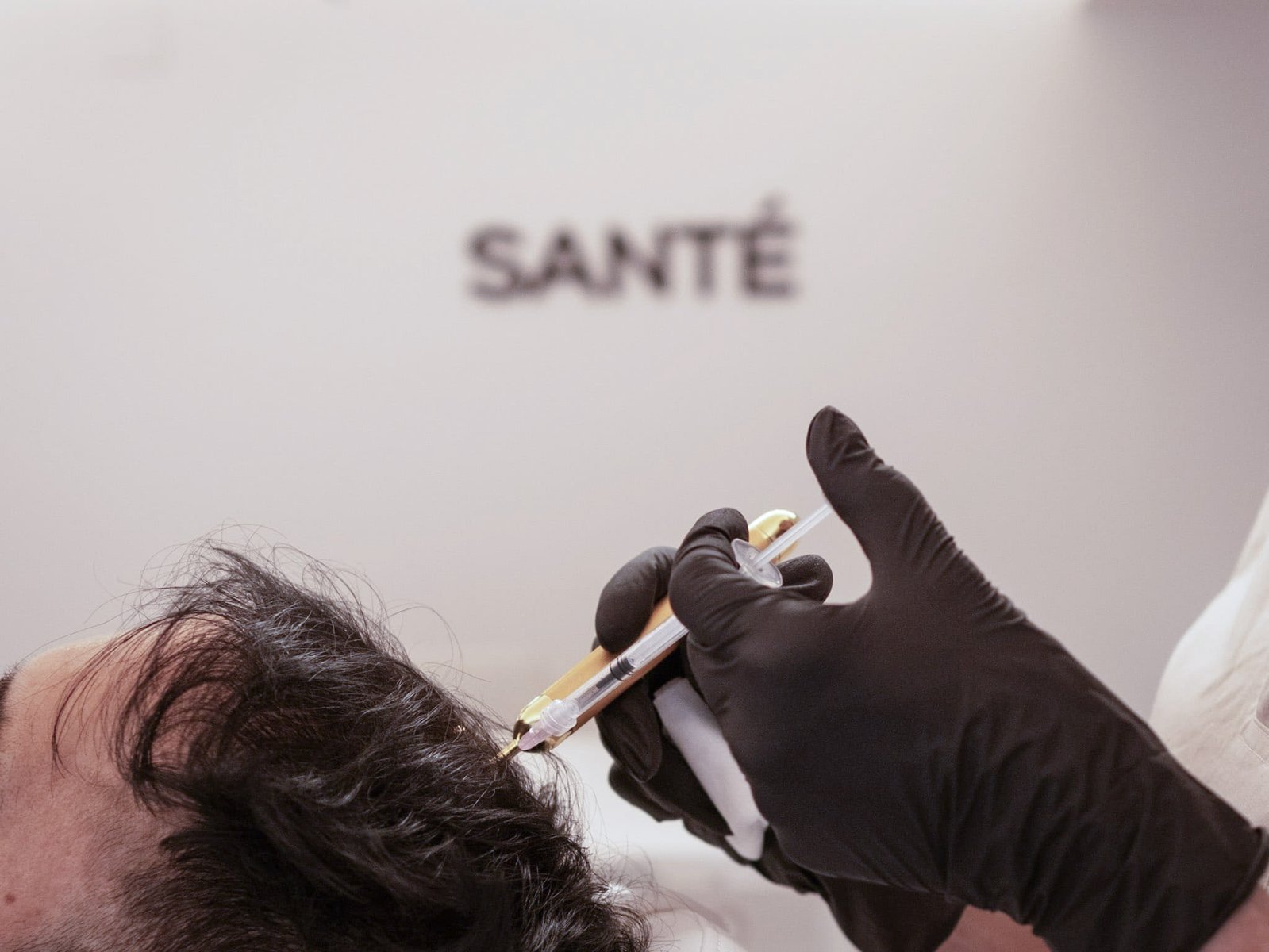
Hair-loss medication
Hair-loss medication
Medical regimen with oral finasteride, dutasteride and/or minoxidil, prescribed and monitored by our team to slow hair l...
PRP Hair Treatment
PRP Hair Treatment
Stimulates hair regrowth, strengthens follicles, and enhances hair density using platelet-rich plasma derived from your ...
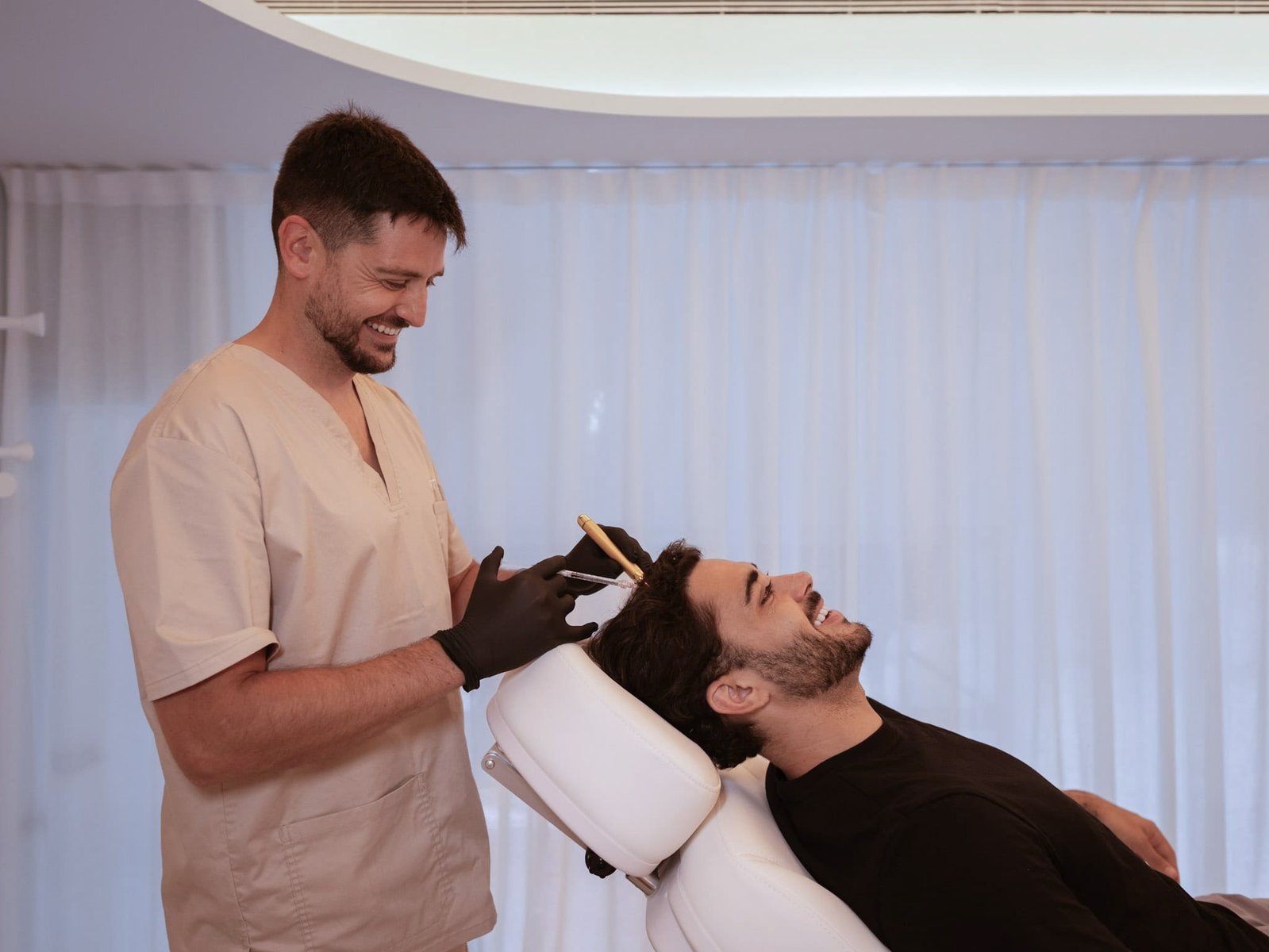
Hair Mesotherapy
Hair Mesotherapy
Stimulates hair growth, strengthens follicles, improves hair density and volume for a revitalized appearance.
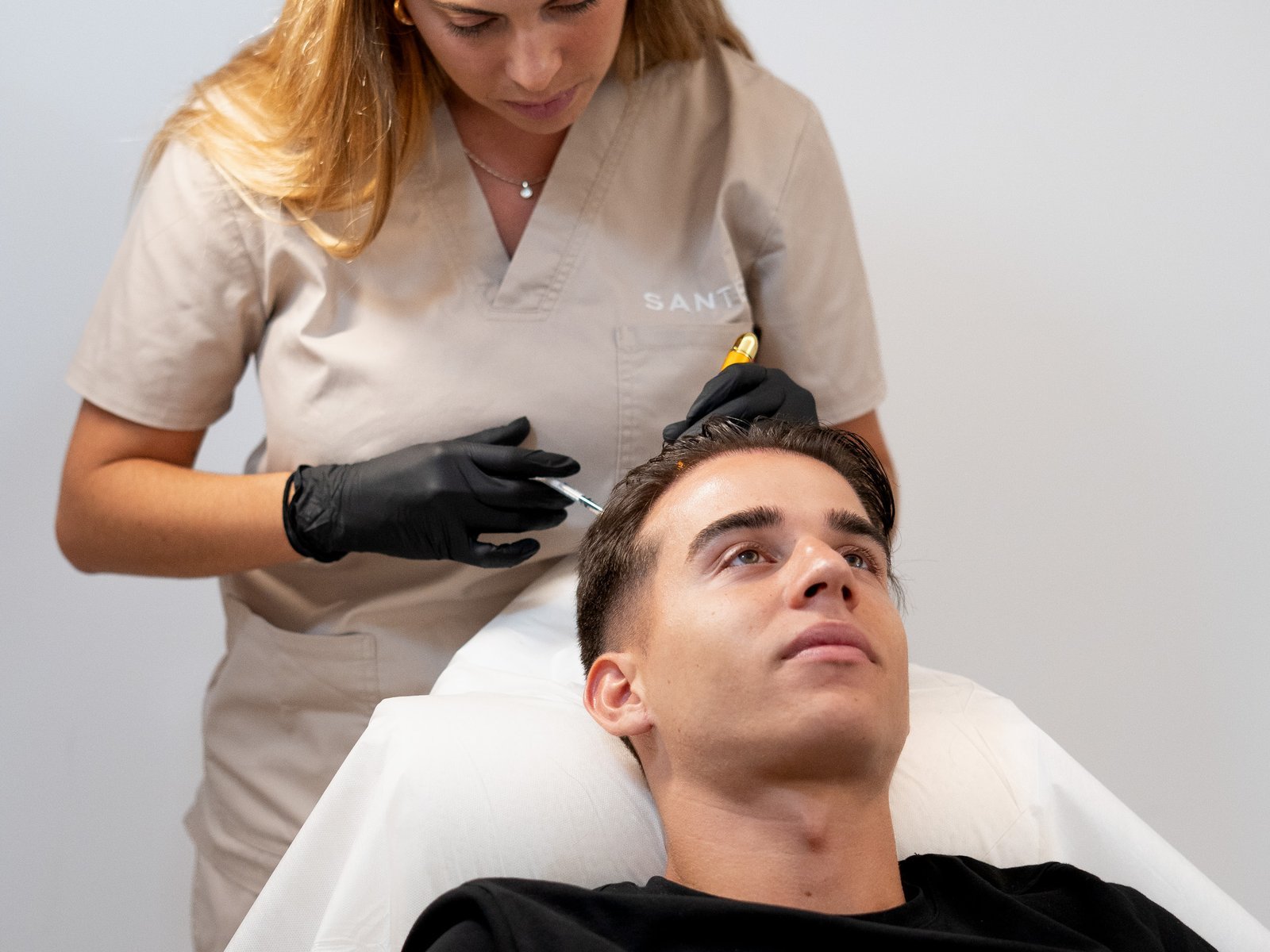
Exosomes Hair Treatment
Exosomes Hair Treatment
Utilizes stem cell-derived exosomes to regenerate hair follicles, stimulate natural hair regrowth, and improve hair dens...

Hair Consultation
Hair Consultation
Diagnoses your hair health, offers a personalized plan with in-clinic therapies like mesotherapy, PRP, or exosomes, and ...
Personalised medical evaluation
Our Team
Specialists for this treatment
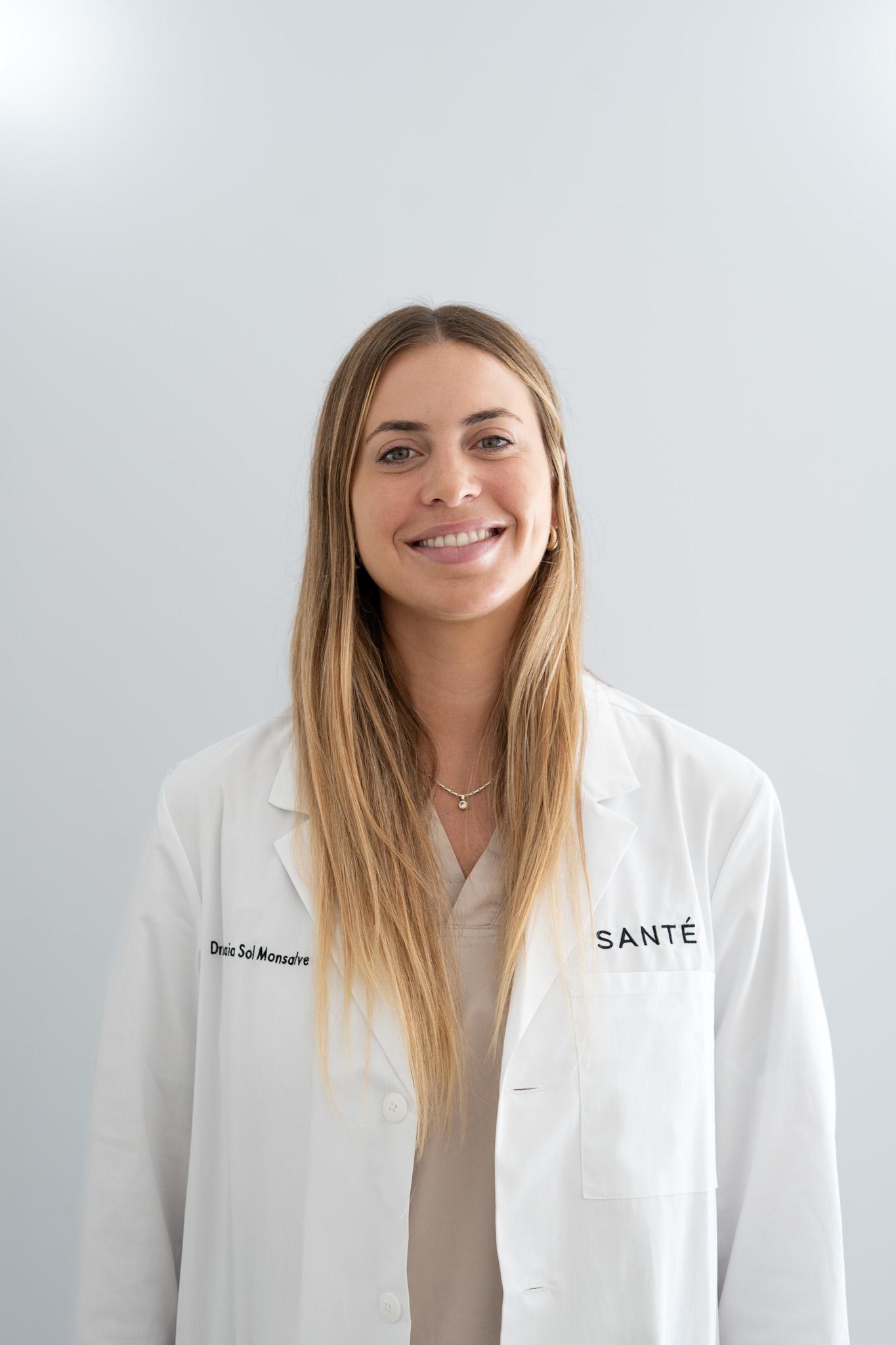
Dr. Sol Monsalve 🇺🇸 🇪🇸
View Profile
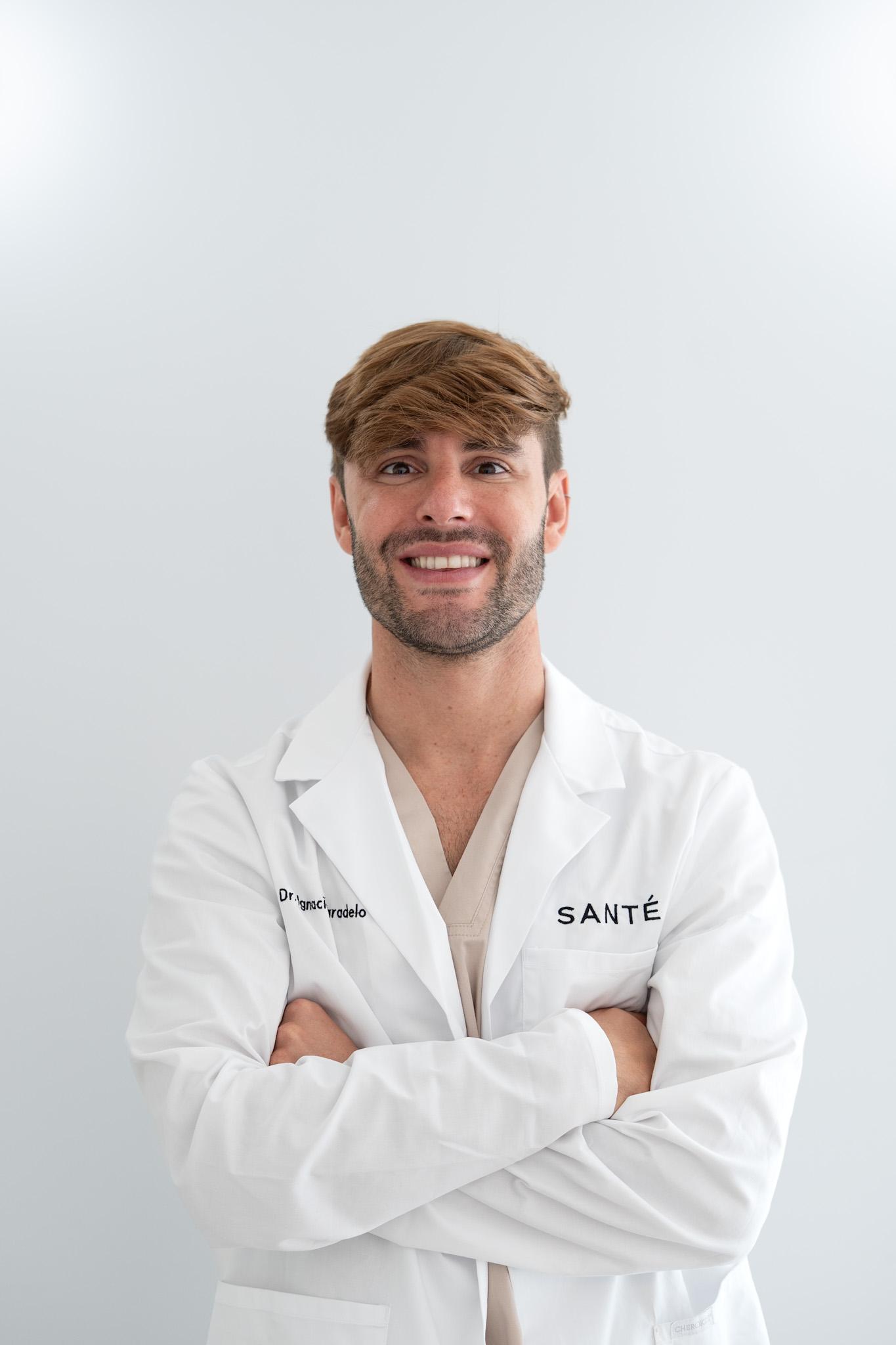
Dr. Ignacio Paradelo 🇺🇸 🇵🇹 🇪🇸
View Profile
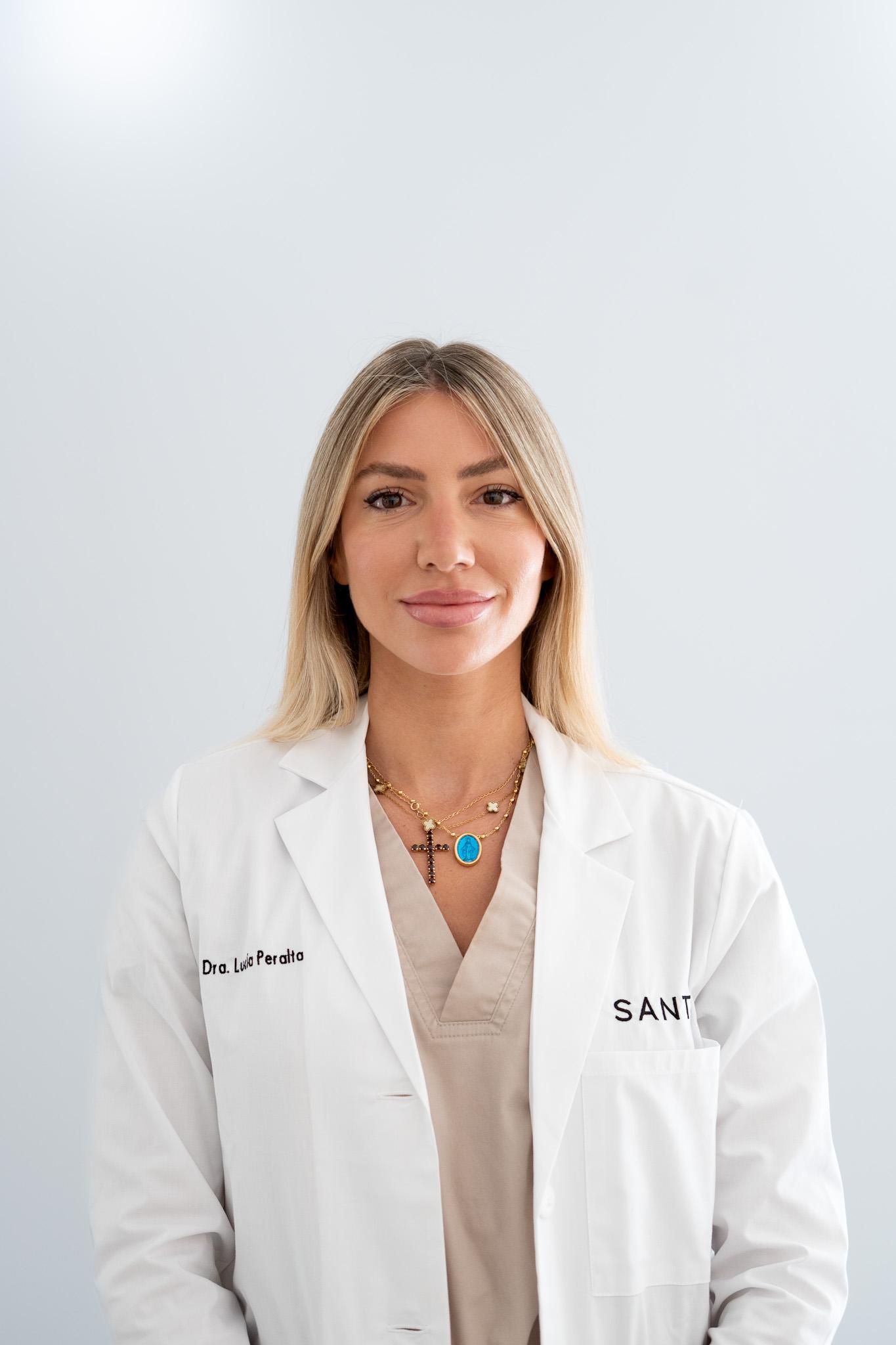
Dr. Lucía Peralta 🇪🇸
View Profile
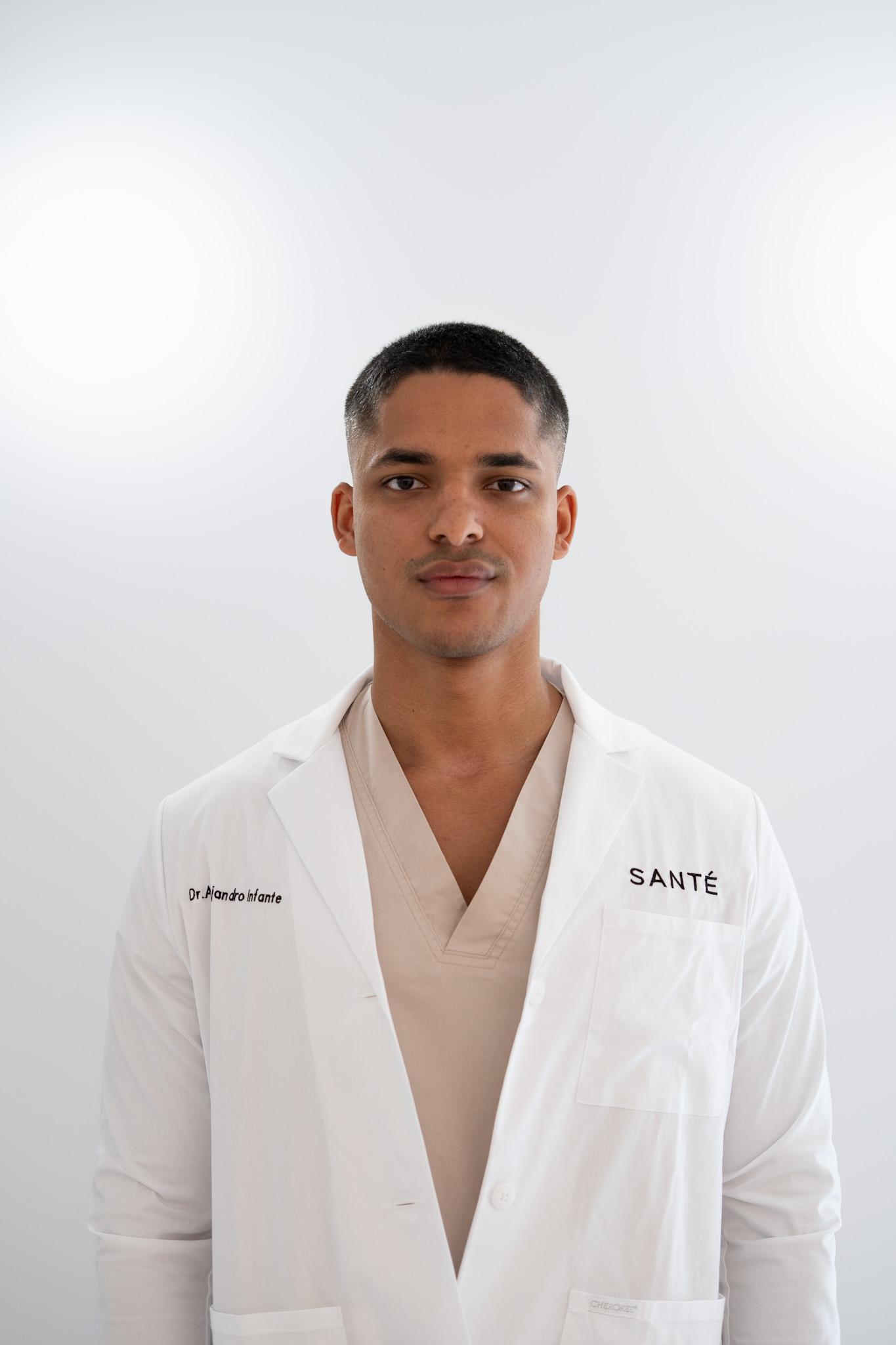
Dr. Alejandro Infante 🇺🇸 🇪🇸
View Profile
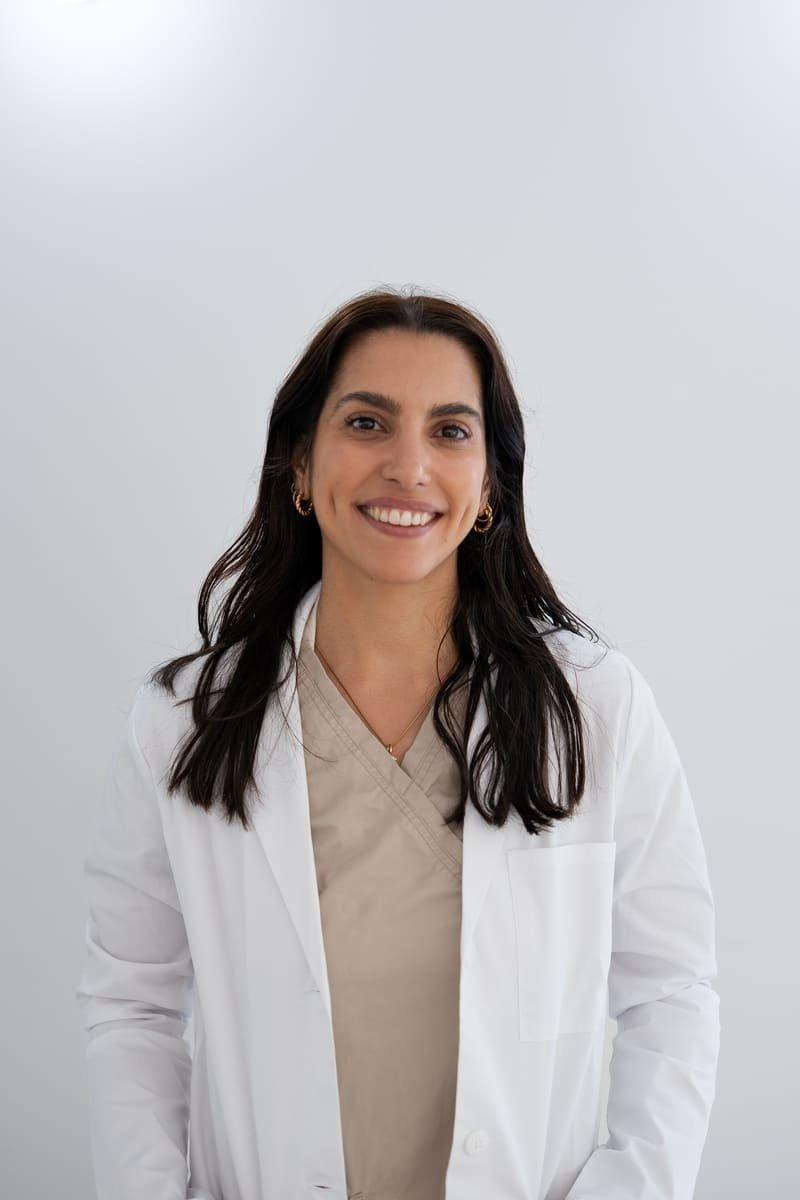
Dr. Rocío Marcico 🇺🇸 🇪🇸
View Profile
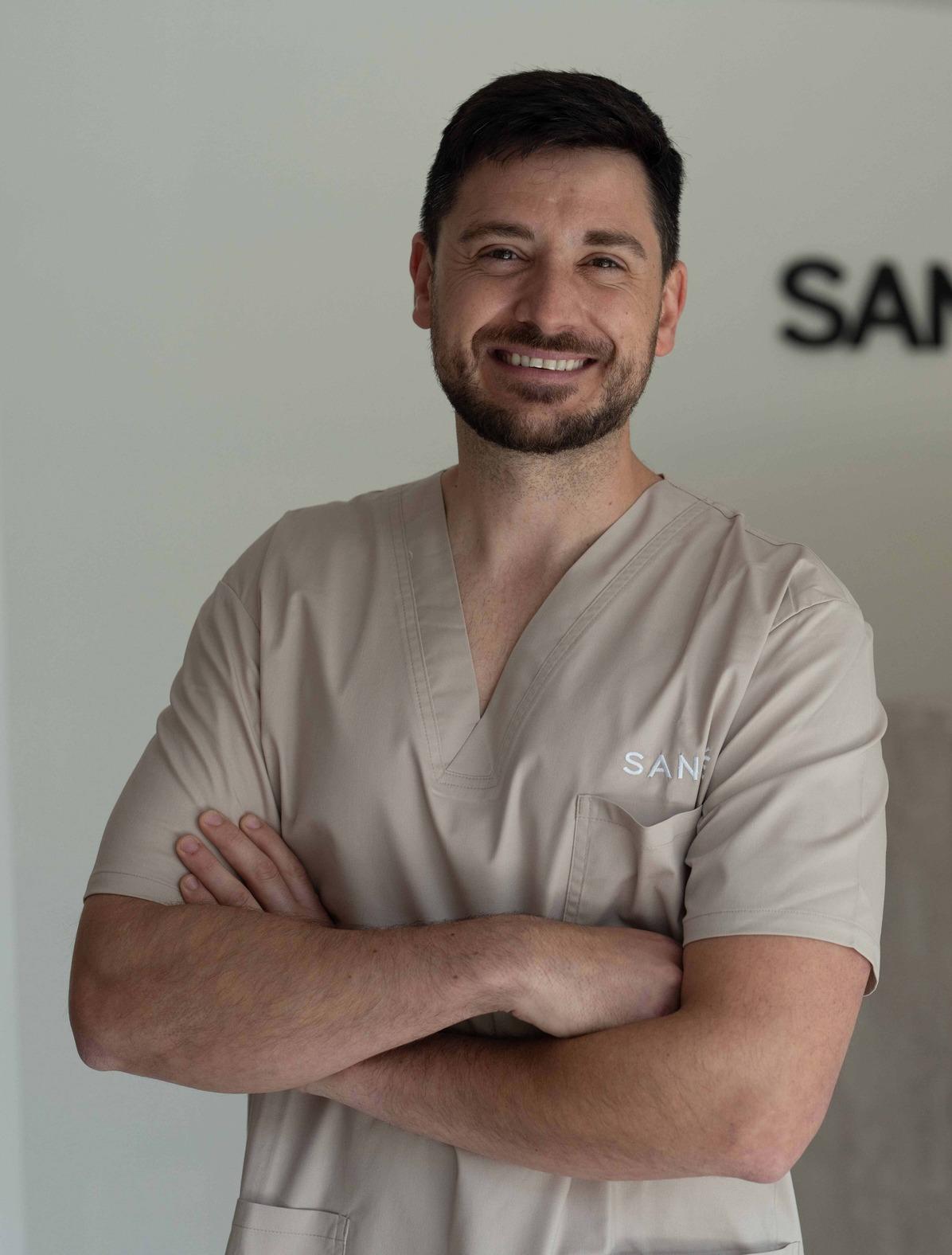
Pablo Mora 🇪🇸
View Profile
Help & Support
Frequently Asked Questions
Why does hair fall out at the crown?
Hair loss at the crown is typically due to androgenetic alopecia, where genetic sensitivity of the hair follicle to DHT causes progressive miniaturization. Stress, nutritional deficiencies, hormonal changes, and aging also play a role. The crown area is especially vulnerable because follicles there have greater predisposition to this hormonal sensitivity.
What treatments does Santé offer for crown hair loss?
At Santé, we combine capillary PRP with capillary mesotherapy. PRP stimulates follicular regeneration through autologous growth factors, while mesotherapy delivers nutrients, vitamins, and revitalizing actives directly to the scalp. This dual protocol enhances follicle oxygenation and nutrition, slowing hair loss and improving density.
How many sessions do I need and when will I see results at the crown?
We recommend an initial cycle of 4–6 monthly sessions. First changes in hair loss appear between sessions 2–3 (reduced shedding). Visible improvement in density and thickness emerges between months 3–4. Afterward, maintenance sessions every 4–6 months consolidate results and prevent recurrence.
Does the treatment hurt and how much recovery time do I need?
Both treatments are well-tolerated. You may experience mild discomfort during application, managed with topical anesthesia. There is no downtime: you can resume activities immediately. Avoid harsh shampoo for 24 hours and intense sun exposure those days. No age restrictions, though prior medical evaluation is required to rule out contraindications.
Contact
Experience Santé
Ready to start your transformation journey? Visit us to learn more about our innovative approach to health and beauty.
Avenida Diagonal 384, Barcelona, Spain
Monday to Friday 9:00 - 21:00
Saturday and Sunday 10:00 - 20:00
+34 699 14 58 87