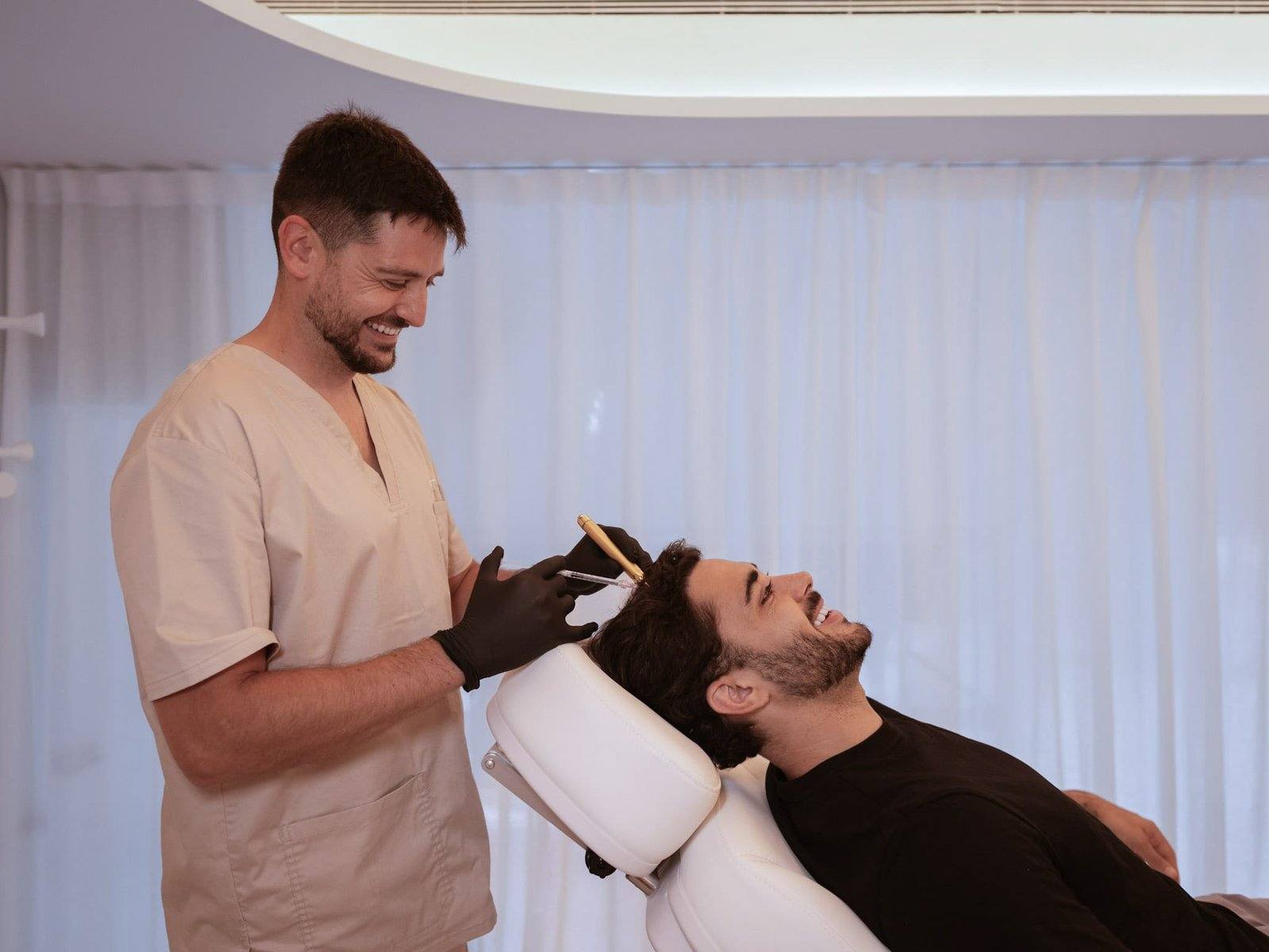
Hair Mesotherapy
About the Treatment
What Does It Consist Of?
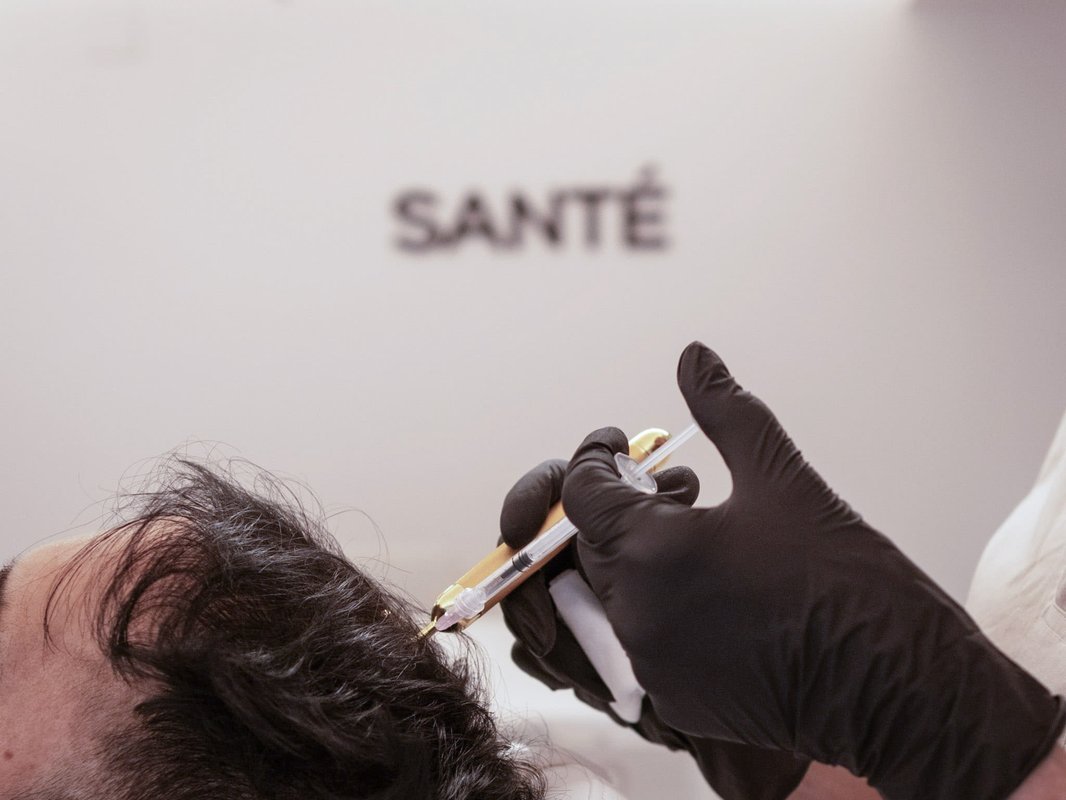

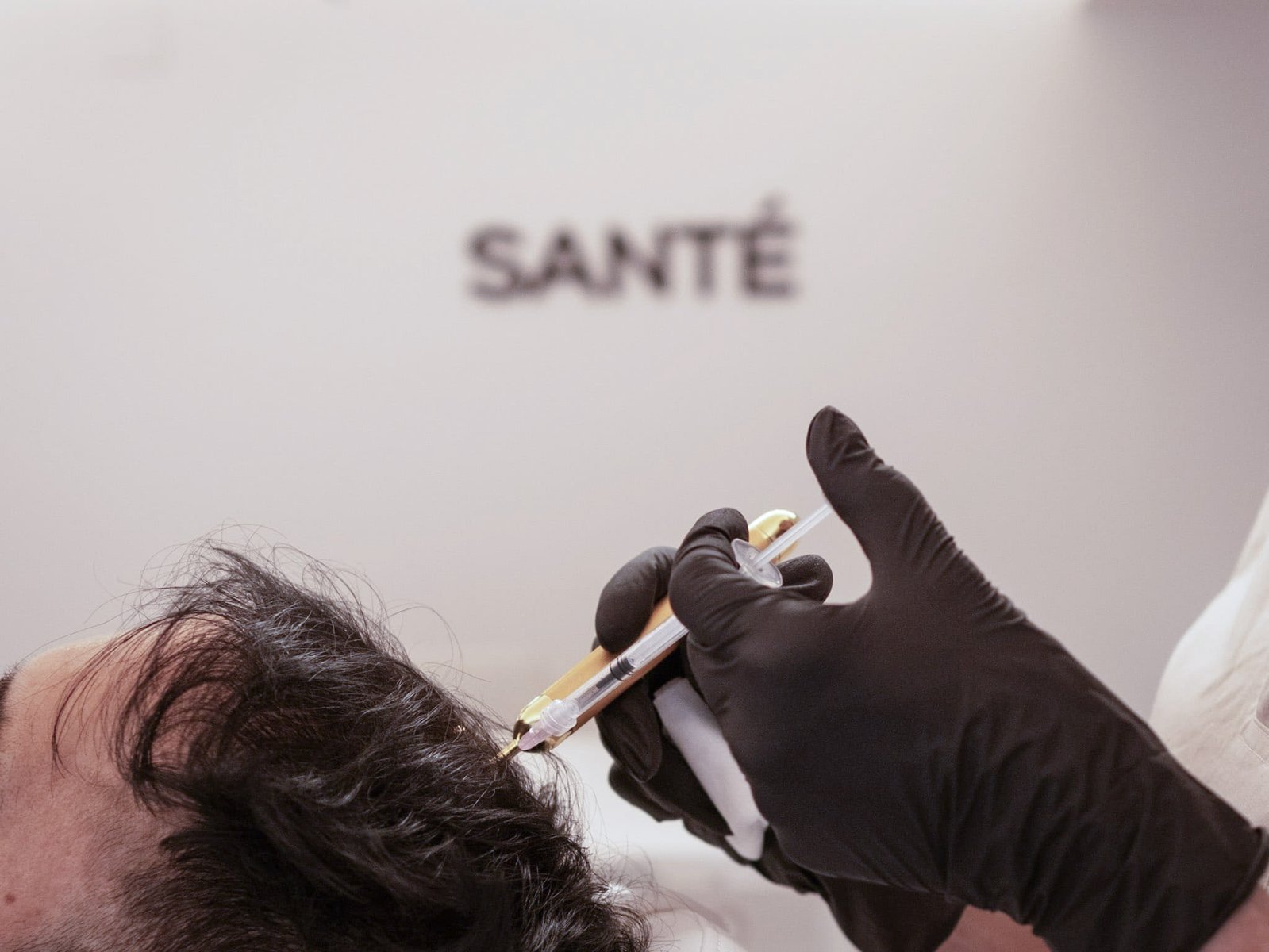
What Is the Treatment Like?
Treatment benefits
- Stimulates hair growth effectively
- Strengthens hair follicles and reduces hair thinning
- Improves scalp circulation for nutrient delivery
Post-Treatment Recommendations
Essential Guidelines
- Avoid washing your hair for 12 hours after the procedure
- Do not scratch or rub the treated area
- Avoid intense physical activity for the first 24 hours
Packs and Offers
- 1 Session Vitamins: 130€
- 1 Session Vitamins + Dutasteride/Minoxidil: 180€
- Pack of 5 Sessions Vitamins + 1 Free Bonus Session: 650€
- Pack of 5 Sessions Vitamins + Dutasteride/Minoxidil + 1 Free Bonus Session: 900€
Discover Santé
Clinic Videos
Help & Support
Frequently Asked Questions
How many sessions are needed to see results?
The number of sessions varies depending on the degree of hair loss and individual needs. Typically, we recommend one session every 1-2 months, combined with a personalized at-home treatment plan.
How long does each session last?
Each session lasts between 15 and 30 minutes, depending on the size of the treated area and the amount of product applied.
What are the benefits of the medications used in mesotherapy?
Finasteride and dutasteride block DHT, the hormone responsible for hair follicle shrinkage and hair loss. Minoxidil improves blood circulation to the scalp, increasing nutrient and oxygen delivery to hair follicles. Vitamins like biotin strengthen hair structure, promote growth, and improve overall hair health.
Is hair mesotherapy treatment painful?
Most patients find the treatment tolerable, with only mild discomfort during the injections.
When can the results be seen?
Results are noticeable after just a few sessions. You’ll see improved hair quality, reduced hair loss, and increased density and volume over time.
How long do the results last?
Results are long-lasting as long as the treatment is maintained. However, stopping the treatment may lead to the gradual return of hair thinning or loss.
What are the possible side effects?
Side effects are minimal and temporary, including mild redness, swelling, or sensitivity at the injection site.
Is hair mesotherapy suitable for men and women?
Yes, the treatment is highly effective for both men and women. For men, the focus is often on blocking DHT with finasteride or dutasteride, while for women, the treatment is customized with biotin and nutrients to address thinning hair and improve density.
Can hair mesotherapy be combined with other treatments?
Yes, for best results, we recommend combining topical or oral dutasteride formulas with hair mesotherapy. This multi-faceted approach enhances the overall effectiveness and long-term success of the treatment.
What happens if I stop the treatment?
If you stop the treatment, the results may gradually diminish over time. To maintain the benefits, we recommend continuing the mesotherapy sessions and prescribed topical or oral medications.
Our Team
Specialists for this treatment

Dr. Lucía Peralta 🇪🇸
View Profile
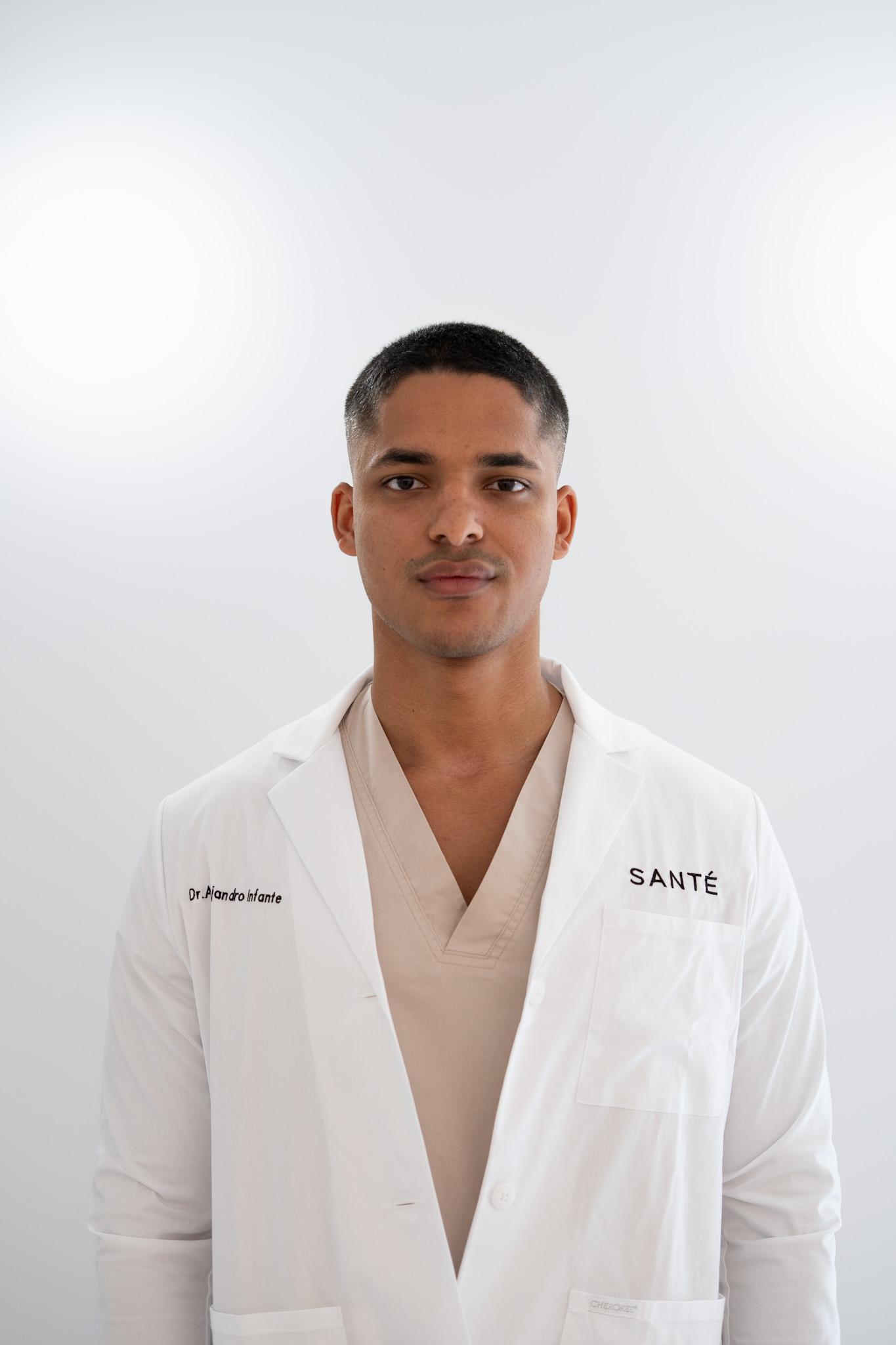
Dr. Alejandro Infante 🇺🇸 🇪🇸
View Profile

Dr. Rocío Marcico 🇺🇸 🇪🇸
View Profile
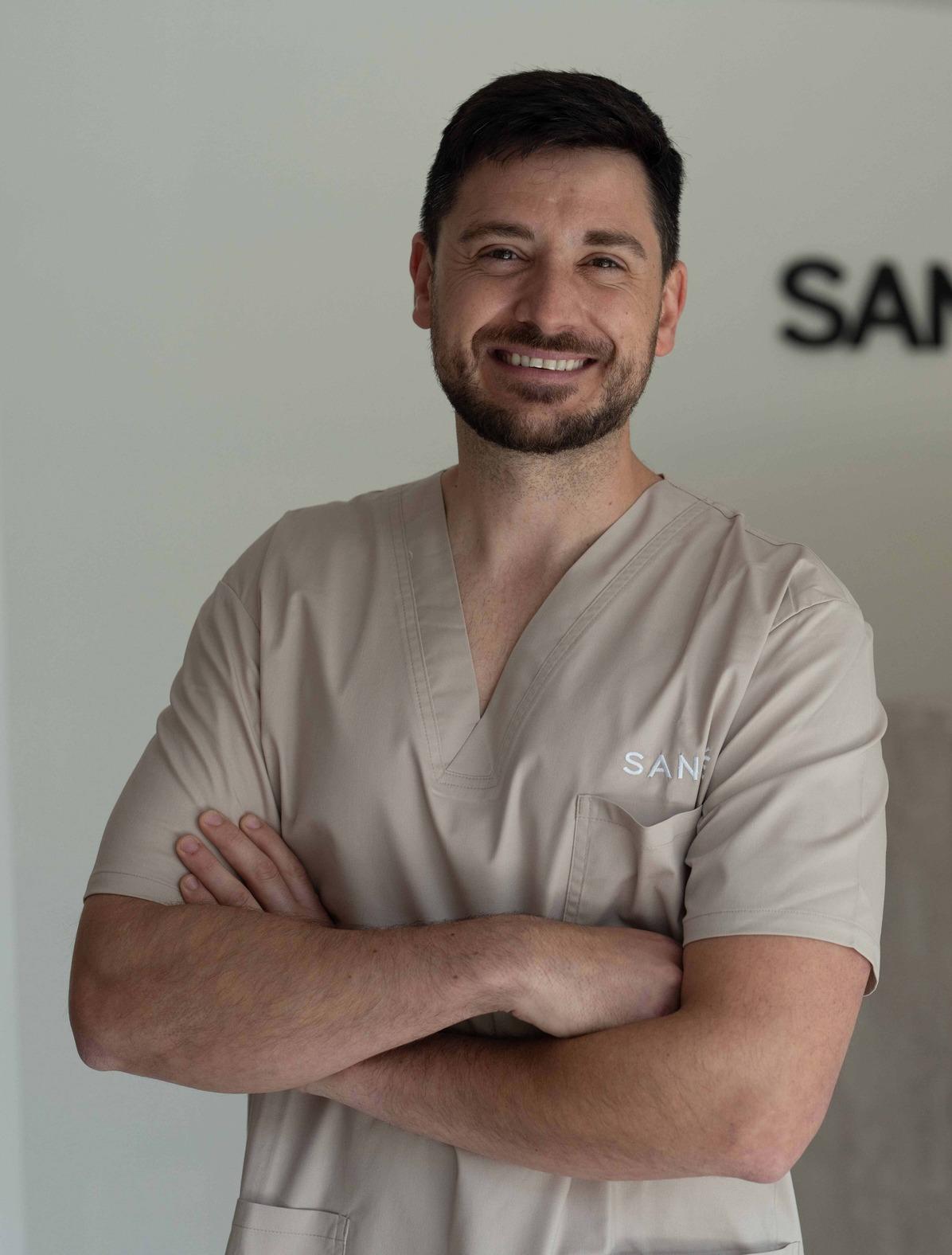
Pablo Mora 🇪🇸
View Profile
Recommended
Related treatments
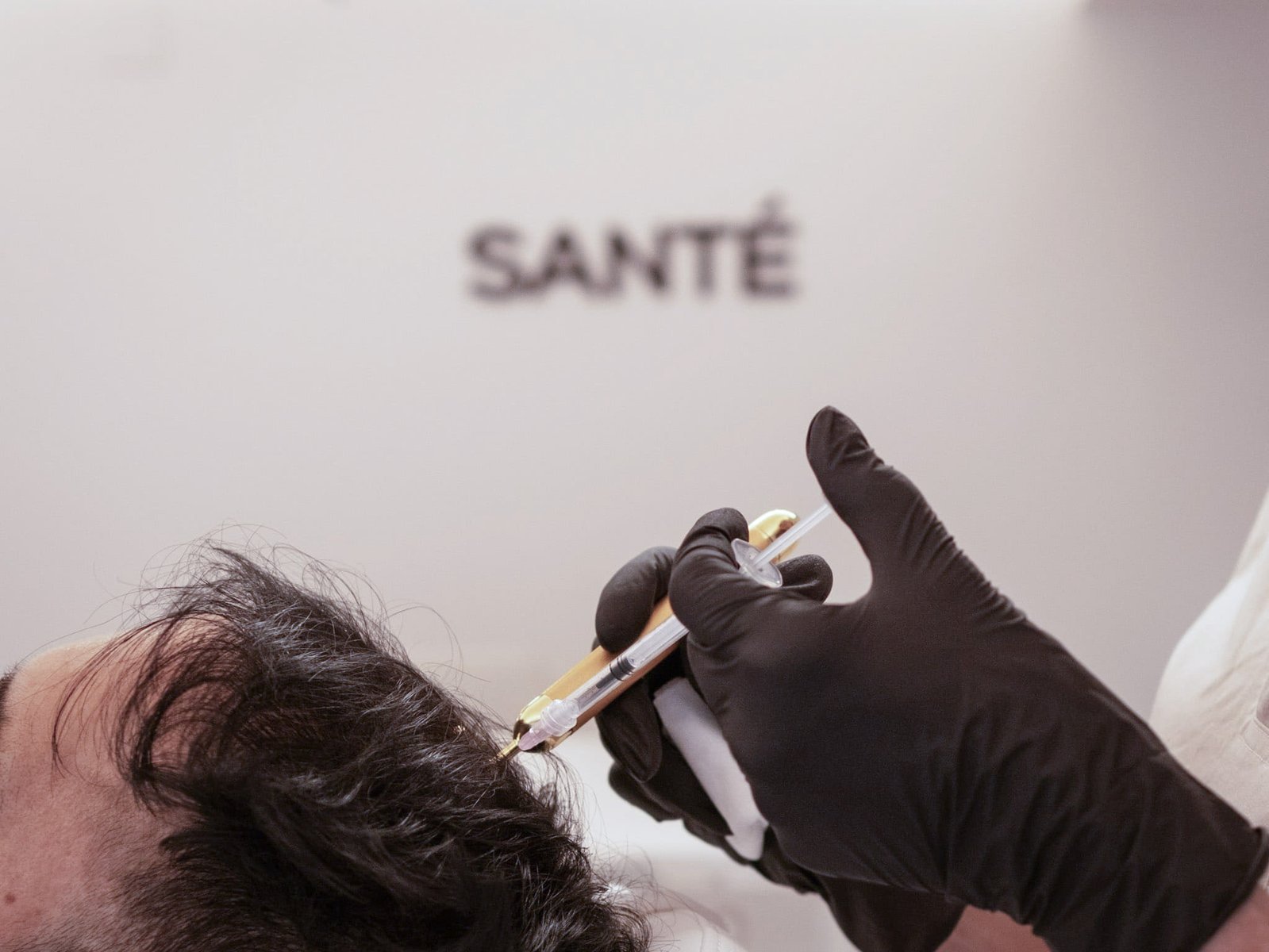
PRP Hair Treatment
PRP Hair Treatment
Stimulates hair regrowth, strengthens follicles, and enhances hair density using platelet-rich plasma derived from your ...
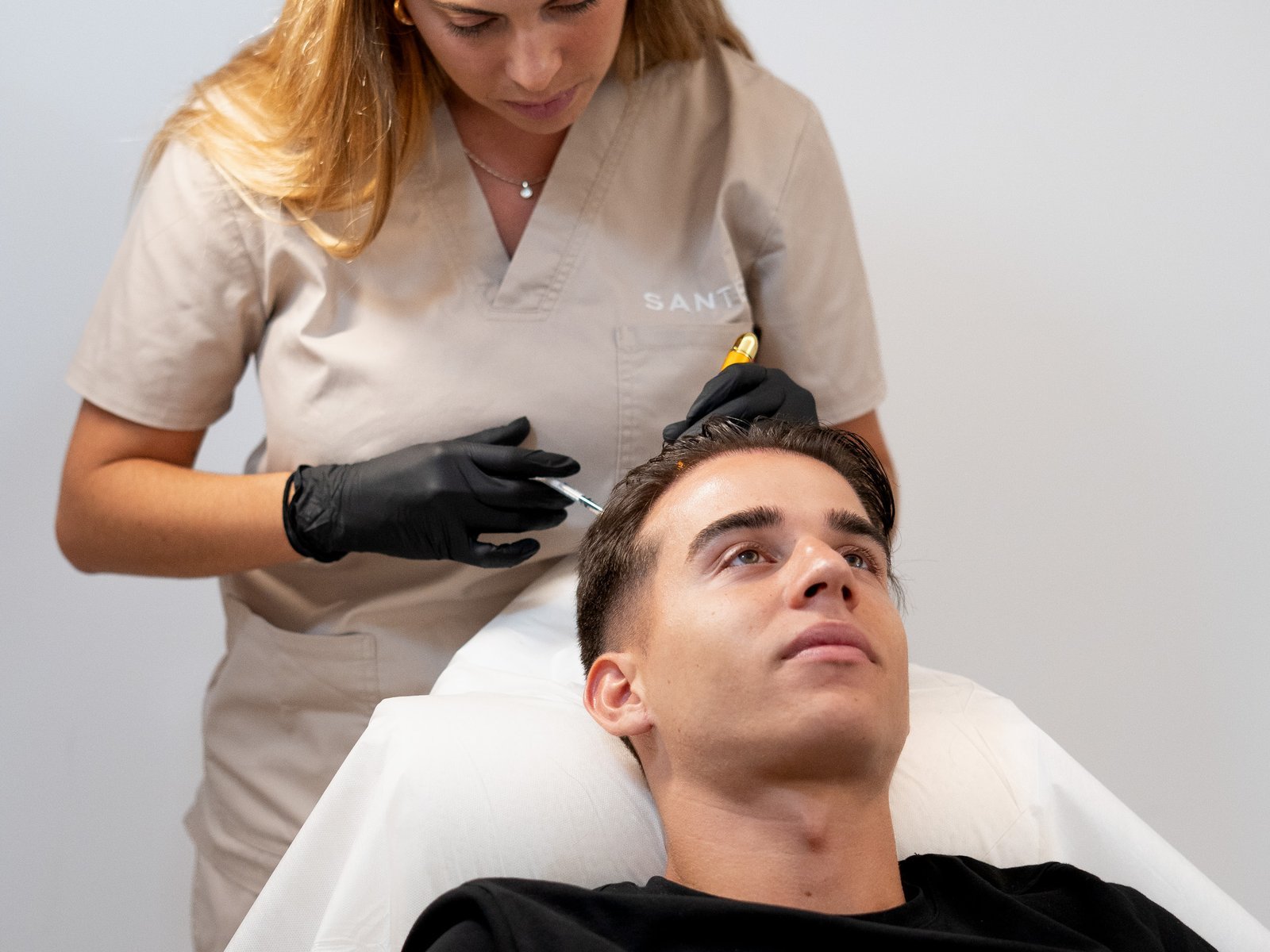
Exosomes Hair Treatment
Exosomes Hair Treatment
Utilizes stem cell-derived exosomes to regenerate hair follicles, stimulate natural hair regrowth, and improve hair dens...

Hair Consultation
Hair Consultation
Diagnoses your hair health, offers a personalized plan with in-clinic therapies like mesotherapy, PRP, or exosomes, and ...
Hair-loss medication
Hair-loss medication
Medical regimen with oral finasteride, dutasteride and/or minoxidil, prescribed and monitored by our team to slow hair l...
Contact
Experience Santé
Ready to start your transformation journey? Visit us to learn more about our innovative approach to health and beauty.
Avenida Diagonal 384, Barcelona, Spain
Monday to Friday 9:00 - 21:00
Saturday and Sunday 10:00 - 20:00
+34 699 14 58 87