Содержание
- Важность ухода после пересадки
- Необходимое очищение: шампуни для чувствительной кожи головы
- Увлажнение и питание: кондиционеры и увлажняющие средства для кожи головы
- Стимуляция роста: миноксидил и другие средства для местного применения
- Защита ваших инвестиций: солнцезащитный крем и защита кожи головы
- Как помогает Santé Clinics Barcelona
- Готовы начать?
Мягкое очищение – это ключ Используйте шампуни с pH-балансом и без сульфатов, чтобы избежать раздражения недавно пересаженных фолликулов.
Увлажнение и кондиционирование имеют решающее значение Выбирайте легкие, питательные кондиционеры, чтобы увлажнять кожу головы, не утяжеляя новые волосы.
Стимуляторы роста могут помочь Рассмотрите продукты, содержащие миноксидил или финастерид, чтобы стимулировать более быстрый и густой рост волос после пересадки.
Защита от солнца необходима Защищайте кожу головы от прямых солнечных лучей с помощью шляп или солнцезащитного крема, предназначенного для кожи головы, чтобы предотвратить повреждение трансплантатов.
Важность ухода после пересадки
Пересадка волос — это значительная инвестиция в вашу внешность и уверенность. Однако сама процедура — это только половина дела. Правильный уход имеет решающее значение для обеспечения выживаемости пересаженных фолликулов, минимизации осложнений и достижения желаемой густоты и естественного вида. Продукты, которые вы используете в течение недель и месяцев после пересадки, играют жизненно важную роль в этом процессе. Выбор правильных продуктов может способствовать заживлению, предотвращению инфекций, уменьшению воспаления и стимулированию роста волос.
Необходимое очищение: шампуни для чувствительной кожи головы
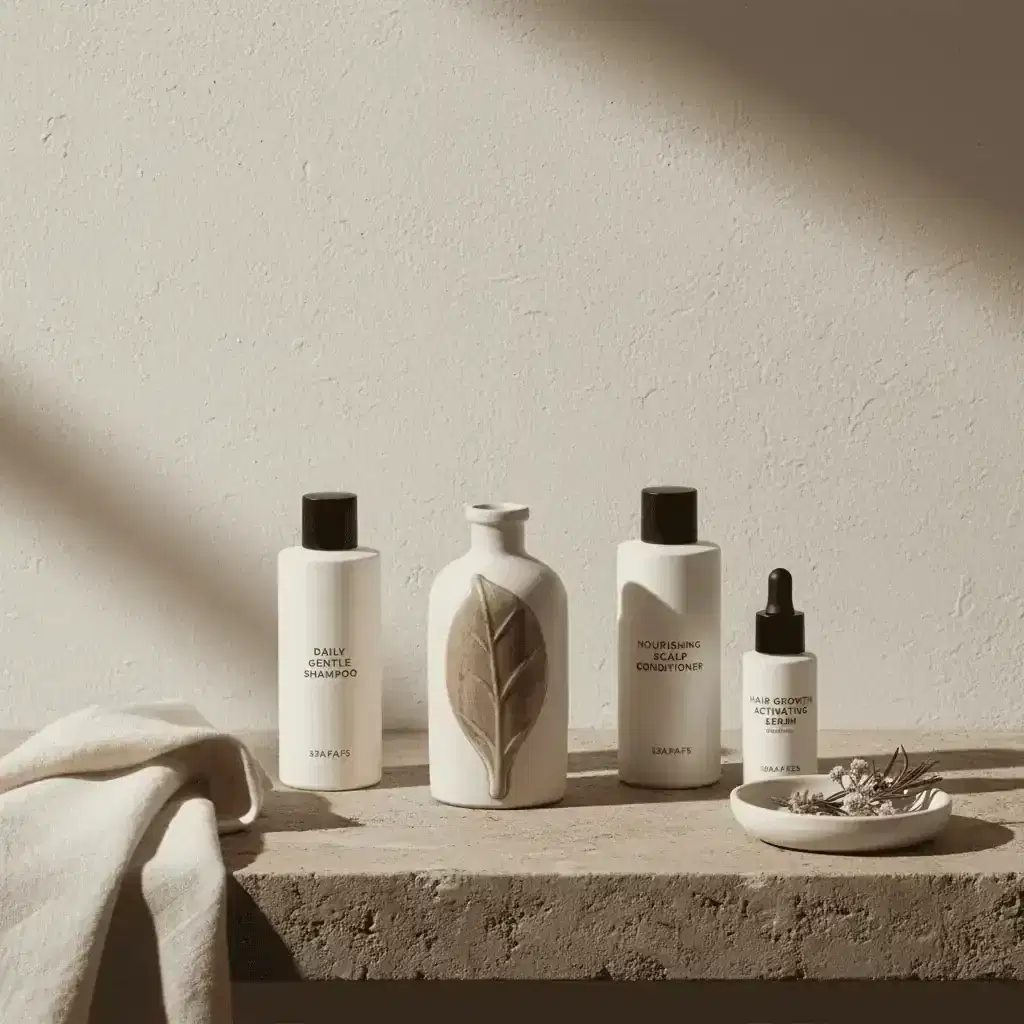
В первые дни после пересадки волос ваша кожа головы будет особенно чувствительной и уязвимой. Традиционные шампуни часто содержат агрессивные сульфаты и отдушки, которые могут раздражать недавно имплантированные фолликулы, приводя к воспалению или даже смещению трансплантата. Поэтому важно использовать мягкий шампунь с pH-балансом и без сульфатов, специально разработанный для ухода после пересадки. Ищите такие ингредиенты, как кетоконазол (для противогрибковых свойств), алоэ вера (для успокоения и увлажнения) и биотин (для укрепления волос). Эти шампуни очищают кожу головы, не лишая ее естественных масел, создавая оптимальную среду для заживления и роста. Ваш хирург, скорее всего, порекомендует конкретный шампунь или предоставит список подходящих вариантов. Внимательно следуйте их указаниям.
Увлажнение и питание: кондиционеры и увлажняющие средства для кожи головы
Несмотря на важность очищения, поддержание достаточного увлажнения не менее важно. Сухая кожа головы может стать зудящей и воспаленной, что затруднит процесс заживления и потенциально повредит нежные новые трансплантаты. Легкие питательные кондиционеры необходимы для восполнения влаги и поддержания эластичности кожи головы. Избегайте тяжелых кондиционеров, которые могут утяжелить волосы и закупорить поры. Ищите такие ингредиенты, как гиалуроновая кислота, масло ши и натуральные масла (такие как аргановое или масло жожоба), которые обеспечивают глубокое увлажнение, не оставляя жирных следов. В дополнение к кондиционерам рассмотрите возможность использования специального увлажняющего крема или сыворотки для кожи головы. Эти продукты часто содержат витамины, антиоксиданты и ингредиенты, стимулирующие рост, которые могут еще больше поддержать заживление и стимулировать рост волос.
Стимуляция роста: миноксидил и другие средства для местного применения
После завершения начальной фазы заживления (обычно через несколько недель после пересадки) вы можете начать добавлять продукты, предназначенные для стимуляции роста волос. Миноксидил — популярное средство для местного применения, которое, как было показано, способствует росту волос, увеличивая приток крови к фолликулам и продлевая фазу роста волосяного цикла. Он доступен в различных концентрациях и составах, поэтому проконсультируйтесь со своим хирургом, чтобы определить подходящий вариант для вас. Другие средства для местного применения, которые могут быть полезными, включают те, которые содержат финастерид (блокатор ДГТ), кофеин или различные растительные экстракты, известные своими свойствами стимулировать рост волос. Не забывайте вводить эти продукты постепенно и следите за кожей головы на предмет каких-либо признаков раздражения или аллергической реакции.
Защита ваших инвестиций: солнцезащитный крем и защита кожи головы
Вредные ультрафиолетовые лучи солнца могут повредить недавно пересаженные фолликулы и замедлить их рост. Поэтому защита кожи головы от воздействия солнца имеет решающее значение, особенно в первые месяцы после пересадки. Носите широкополую шляпу всякий раз, когда вы находитесь на улице, и рассмотрите возможность использования солнцезащитного крема, специально разработанного для кожи головы. Эти солнцезащитные кремы, как правило, легкие, нежирные и разработаны для легкого впитывания, не забивая поры. Ищите солнцезащитный крем широкого спектра действия с SPF 30 или выше. Обильно наносите его на все открытые участки кожи головы, включая линию роста волос и любые участки, где волосы тонкие или редкие. Повторно наносите каждые два часа или чаще, если вы потеете или плаваете.
Как помогает Santé Clinics Barcelona
В Santé Clinics Barcelona мы понимаем важность комплексного ухода после пересадки волос. Наша команда экспертов предоставляет персональные рекомендации по выбору правильных продуктов и разработке индивидуальной схемы ухода для оптимизации ваших результатов. Мы предлагаем ряд высококачественных продуктов медицинского назначения, специально разработанных для ухода после пересадки, в том числе мягкие шампуни, питательные кондиционеры, средства, стимулирующие рост, и солнцезащитные кремы для кожи головы. Наши врачи оценят ваши индивидуальные потребности и порекомендуют наиболее подходящие продукты и методы для содействия заживлению, предотвращения осложнений и максимального роста волос. Мы стремимся поддерживать вас на каждом этапе пути, от первоначальной консультации до окончательных результатов.
Готовы начать?
Готовы начать свой путь к более густой и здоровой шевелюре? Свяжитесь с нами в WhatsApp для бесплатной консультации в Santé Clinics Barcelona, Avenida Diagonal 384.
В Santé Clínica Estética (Барселона) мы помогаем улучшить ваше здоровье и эстетику с врачебными процедурами — узнайте про безоперационное восстановление волос (PRP, мезотерапия, экзосомы) или запишитесь на консультацию.