Loose abdomen
About the Treatment
Loose abdomen

Who does it affect?
Your plan, tailored
Personalised Santé protocol
The same concern never has a single treatment. It's always a personalised protocol for your specific case.
May include:
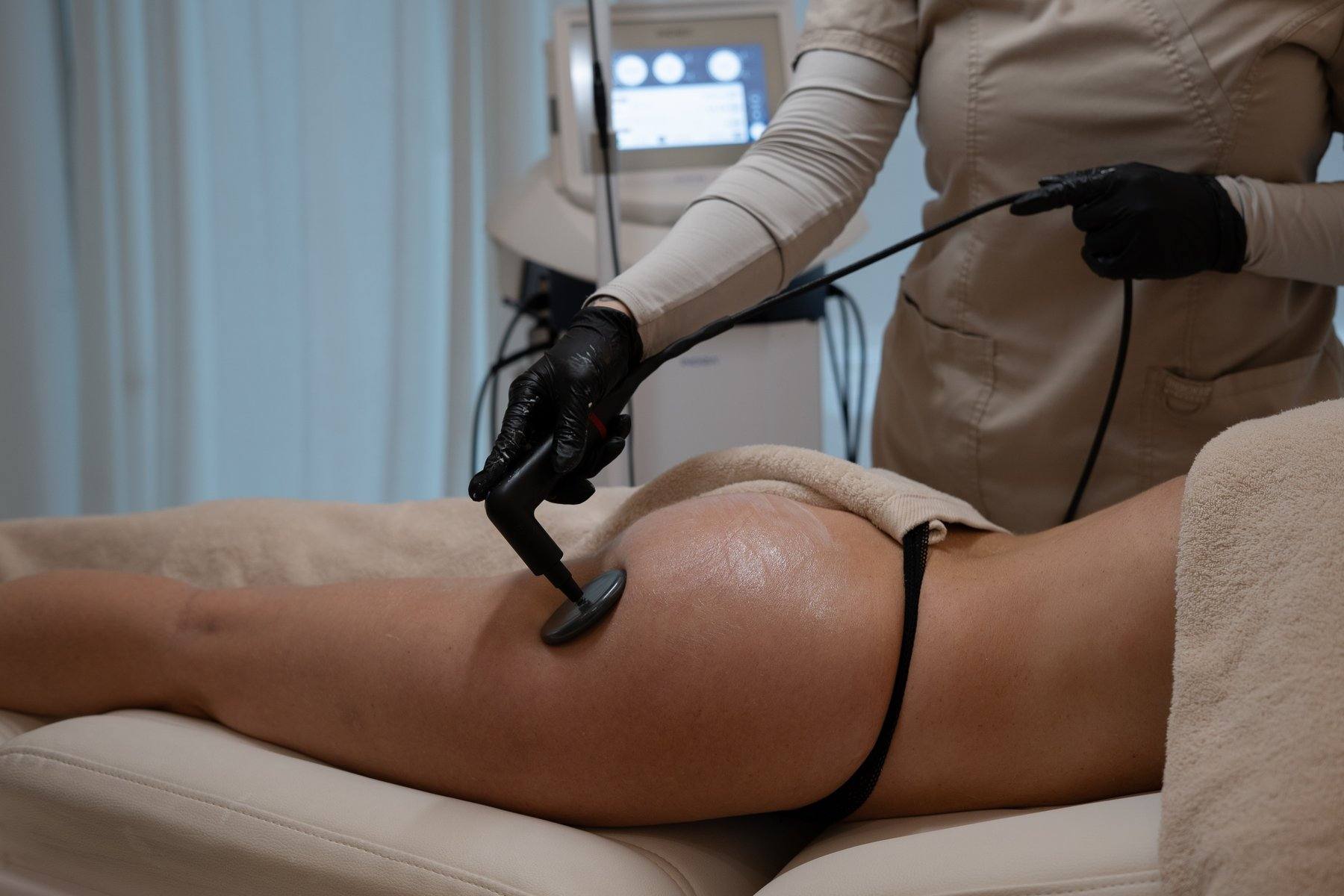
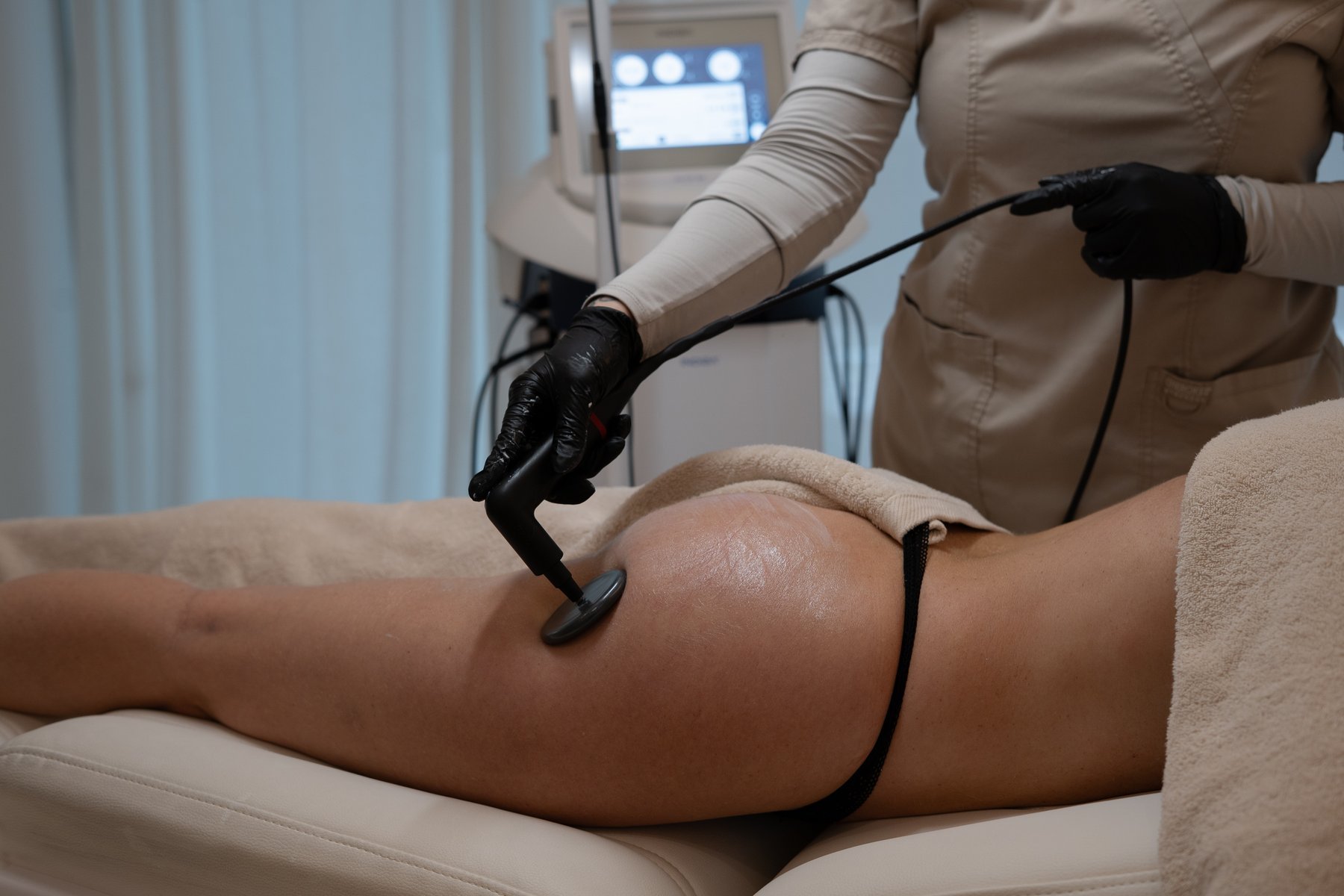
INDIBA® Body Radiofrequency
INDIBA® Body Radiofrequency
Stimulates deep cellular regeneration, firms the skin, improves elasticity, reduces cellulite and promotes natural body ...
HIFU with ULTRAFORMER III
HIFU with ULTRAFORMER III
Provides a dramatic lifting effect, improves firmness, and stimulates collagen for a rejuvenated, younger-looking appear...

Sculptra
Sculptra
Stimulates collagen production, restores facial volume, and improves skin firmness and elasticity gradually and naturall...
Body Mesotherapy
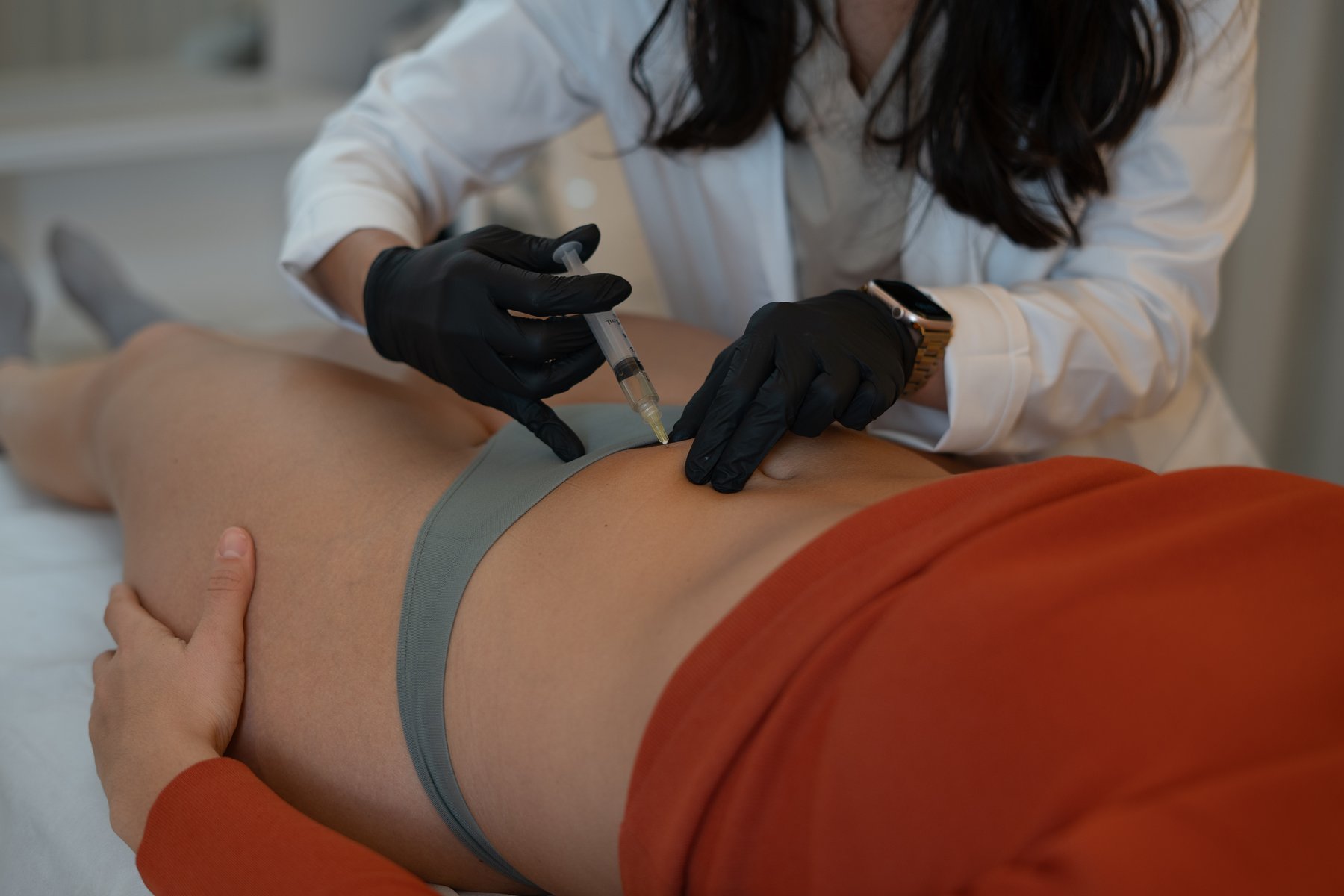
Body Mesotherapy
Reduces localized fat, combats cellulite, and enhances skin firmness.
Personalised medical evaluation
Our Team
Specialists for this treatment

Dr. Sol Monsalve 🇺🇸 🇪🇸
View Profile
Sygryd Valenzuela 🇪🇸
View Profile
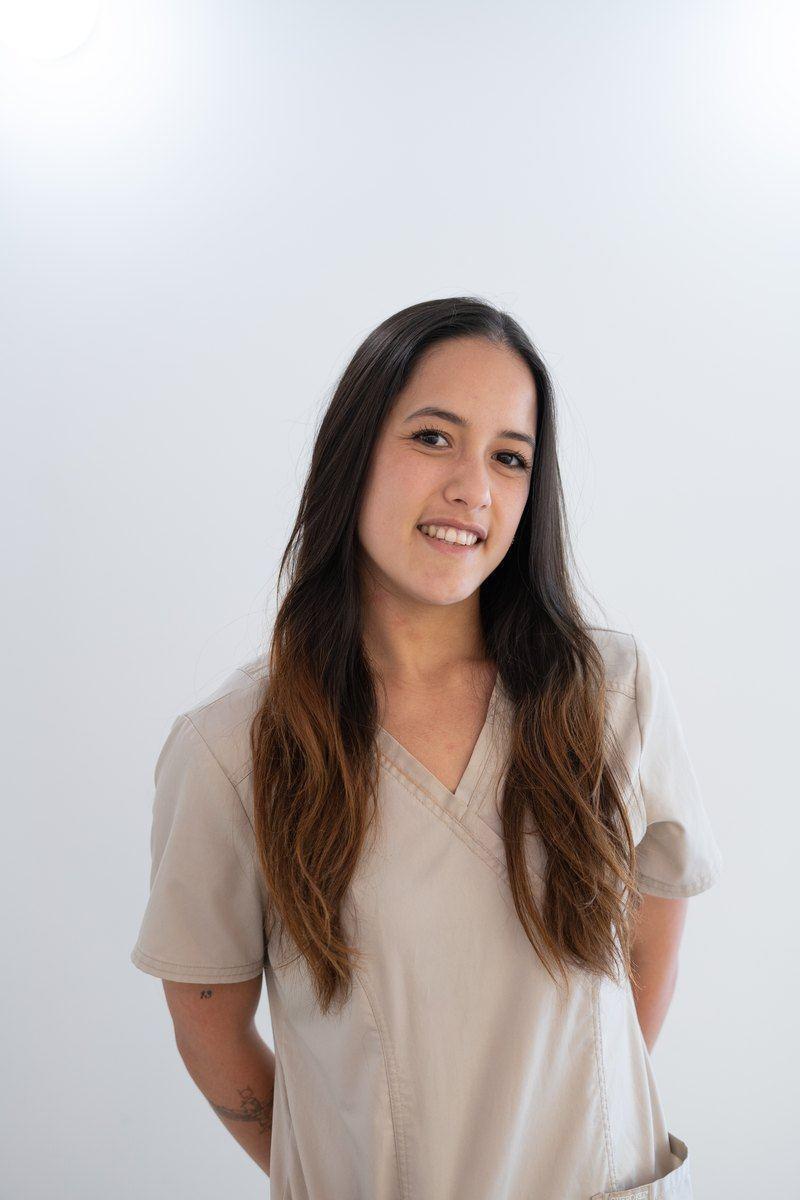
Laura van Leeuwen 🇪🇸 🇺🇸
View Profile
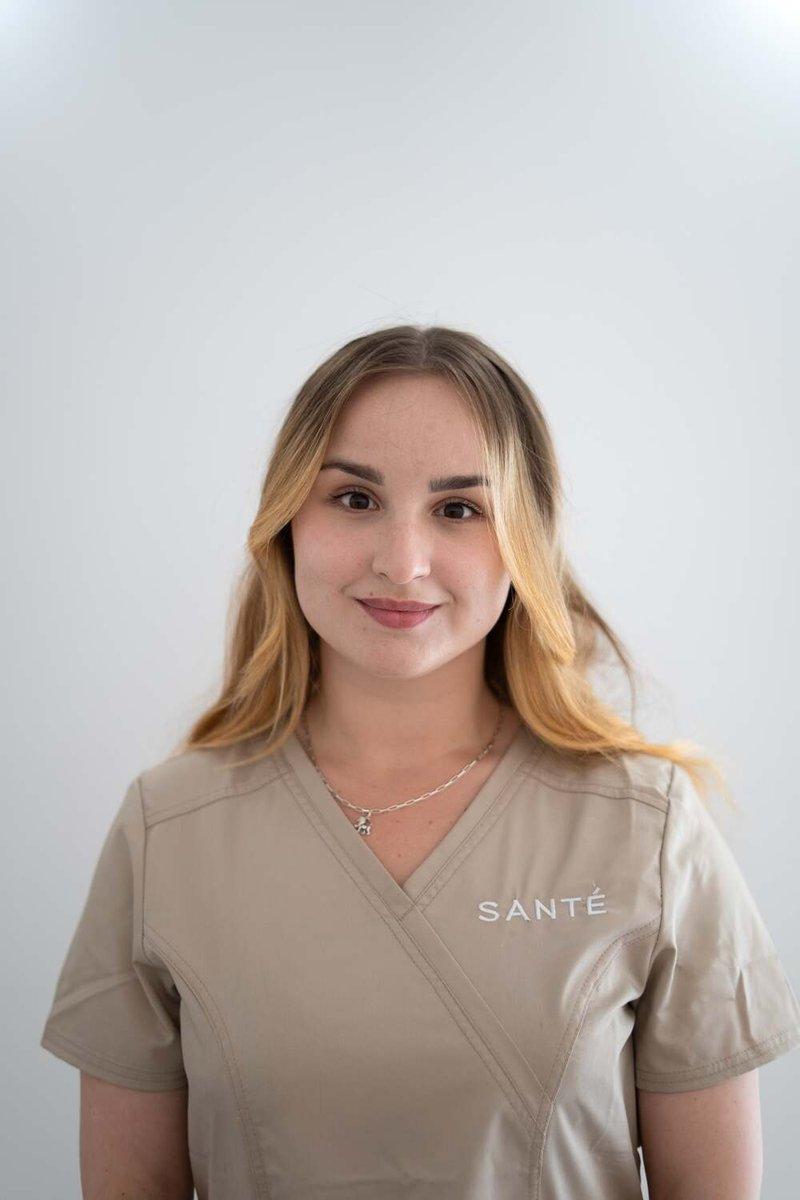
Viktoriia Shypina 🇺🇸 🇷🇺
View Profile

Paula Morales 🇪🇸
View Profile
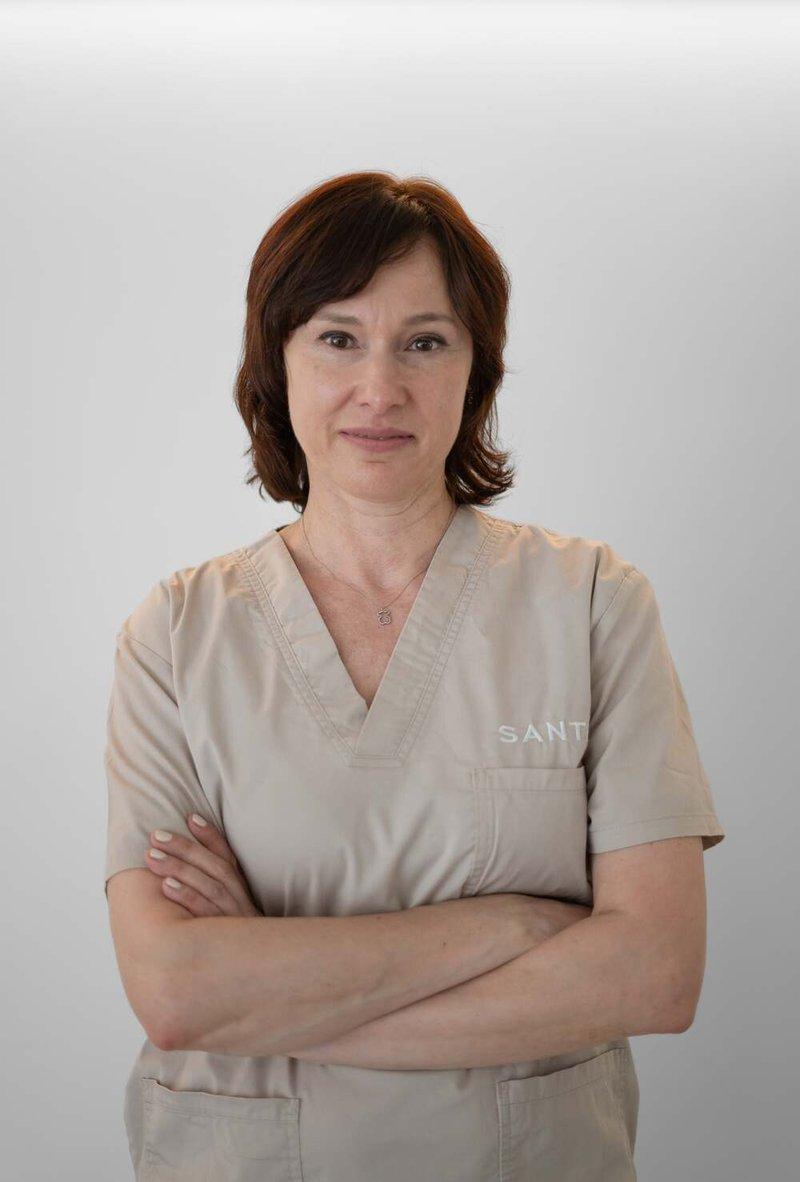
Lana Buravkina 🇺🇸 🇪🇸 🇷🇺
View Profile
Help & Support
Frequently Asked Questions
Why does abdominal laxity occur?
Abdominal laxity results from loss of skin elasticity due to collagen and elastin degradation, accelerated by factors such as aging, weight fluctuations, pregnancy, or sedentary lifestyle. The skin loses its retraction capacity, creating that characteristic sagging appearance. It's a natural process that particularly affects the abdominal area due to its constant mobility.
What treatments does Santé offer for abdominal laxity?
At Santé, we use INDIBA radiofrequency and HIFU (high-intensity focused ultrasound) as our primary protocols. Both stimulate deep collagen synthesis without incising the skin. INDIBA radiofrequency heats the dermal layers, while HIFU generates controlled microlesions that activate tissue regeneration. They are combined according to individual needs.
How many sessions do I need and when will I see results?
The typical protocol requires 3–4 sessions spaced 3–4 weeks apart. Initial changes appear 4–8 weeks post-treatment, with progressive improvement up to 3–4 months. Skin retraction continues improving gradually. Optimal results are achieved after completing the recommended session cycle.
Does it hurt? Do I have to stop my normal activities afterward?
Both treatments are well tolerated. INDIBA radiofrequency generates controlled heat without pain; HIFU produces a sensation of deep pressure. There is no downtime—you can resume activities immediately. Avoid direct sun exposure for 48 hours and maintain hydration. No exercise restrictions. Some patients experience mild transient erythema that resolves within hours.
Contact
Experience Santé
Ready to start your transformation journey? Visit us to learn more about our innovative approach to health and beauty.
Avenida Diagonal 384, Barcelona, Spain
Monday to Friday 9:00 - 21:00
Saturday and Sunday 10:00 - 20:00
+34 699 14 58 87