Содержание
Основные выводы:
- Домашний микронидлинг включает использование дермароллера или ручки с короткими иглами для создания микроповреждений в коже, стимулируя выработку коллагена.
- Правильная стерилизация инструментов и тщательная подготовка кожи крайне важны для предотвращения инфекций и побочных реакций.
- Хотя домашние устройства удобны, они дают более мягкие результаты по сравнению с профессиональными процедурами из-за более короткой длины игл.
- Понимание типа кожи, выбор подходящих продуктов и соблюдение послепроцедурного ухода жизненно важны для безопасности и эффективности.
Понимание микронидлинга: Основы
Микронидлинг, также известный как коллаген-индуцирующая терапия, является популярной косметической процедурой, которая включает многократное прокалывание кожи крошечными стерильными иглами. Эти микроповреждения стимулируют естественный процесс заживления ран в организме, что приводит к увеличению производства коллагена и эластина. Результатом часто является улучшение текстуры кожи, уменьшение появления тонких линий, морщин, шрамов от акне и гиперпигментации.
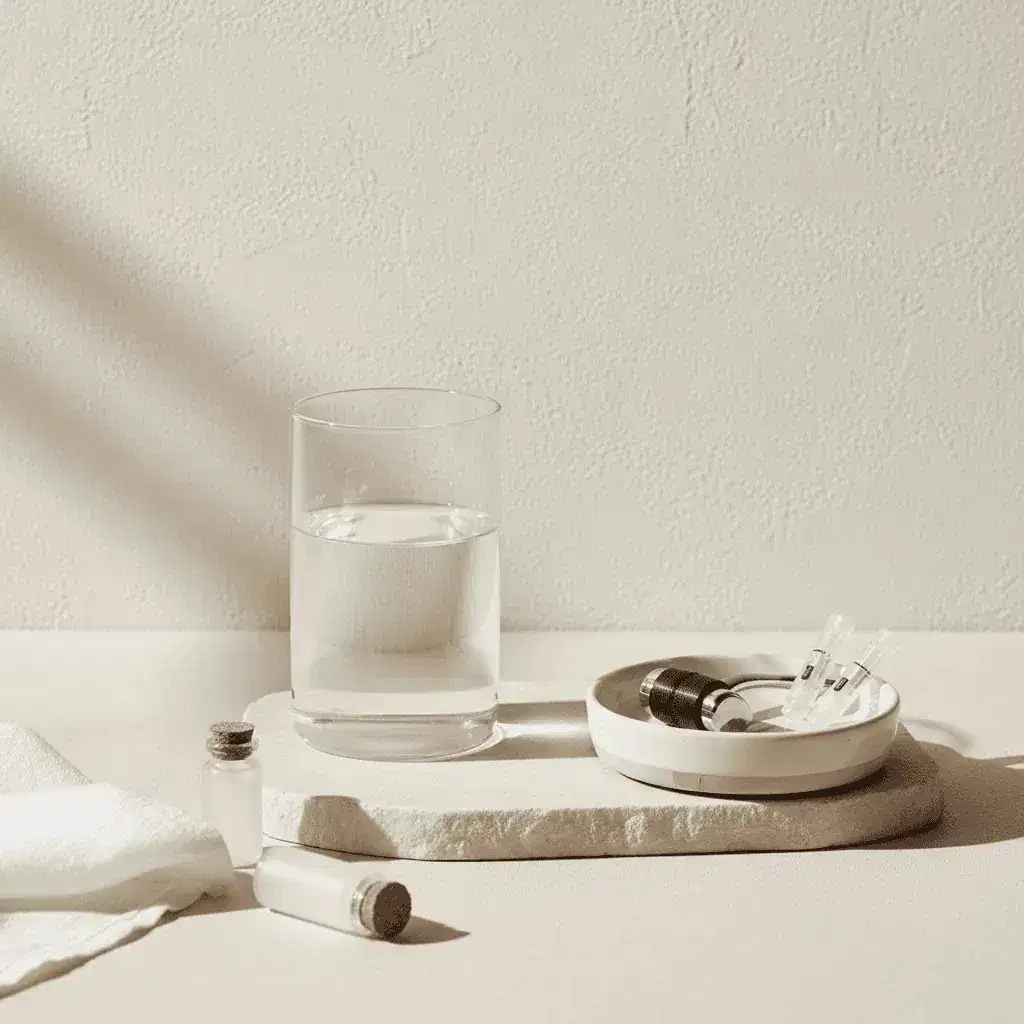
В то время как профессиональные процедуры микронидлинга используют передовые устройства с более длинными иглами, выполняемые обученными медицинскими специалистами, домашний микронидлинг обычно включает использование дермароллеров или ручек для микронидлинга с гораздо более короткой длиной игл. Это делает домашнюю версию более мягким, менее инвазивным подходом, подходящим для поддержания здоровья кожи и усиления абсорбции продуктов, но с более ограниченными результатами по сравнению с клиническими процедурами.
Преимущества и риски домашнего микронидлинга
Потенциальные преимущества:
- Улучшенное впитывание продуктов: Микроканалы, создаваемые микронидлингом, позволяют местным сывороткам, увлажняющим средствам и активным ингредиентам (таким как витамин C, гиалуроновая кислота или факторы роста) проникать глубже в кожу, повышая их эффективность.
- Улучшенная текстура кожи: Регулярный, мягкий микронидлинг со временем может привести к более гладкой, мягкой коже, способствуя обновлению клеток и синтезу коллагена.
- Уменьшение появления незначительных несовершенств: Это может помочь незаметно уменьшить вид тонких линий, расширенных пор и легкой гиперпигментации.
- Экономичность: По сравнению с профессиональными процедурами, домашние устройства являются более доступным вариантом для постоянного ухода за кожей.
Потенциальные риски и побочные эффекты:
- Инфекция: Наиболее значительный риск домашнего микронидлинга – это инфекция, часто из-за неадекватной стерилизации инструментов или неправильного послепроцедурного ухода. Бактерии могут попасть в микроповреждения, что приводит к высыпаниям, воспалению или более серьезным кожным инфекциям.
- Раздражение и воспаление: Чрезмерное воздействие на кожу, использование чрезмерного давления или выбор слишком длинных игл могут вызвать покраснение, отек, синяки и длительное раздражение.
- Гиперпигментация: Особенно для людей с более темным тоном кожи, неправильный микронидлинг может спровоцировать поствоспалительную гиперпигментацию (темные пятна).
- Рубцевание: Хотя это редко встречается с короткими иглами, агрессивный домашний микронидлинг потенциально может привести к новым рубцам.
- Аллергические реакции: Использование продуктов с раздражающими ингредиентами сразу после микронидлинга может вызвать побочные реакции.
Выбор инструмента и подготовка кожи
Дермароллер против ручки для микронидлинга:
- Дермароллер: Ручное устройство с вращающимся валиком, покрытым крошечными иглами. Обычно его легче использовать для новичков, но он может вызвать большее натяжение или разрыв кожи, если используется неправильно. Длина игл для домашнего использования обычно варьируется от 0,2 мм до 0,5 мм.
- Ручка для микронидлинга: Электрическое устройство с одноразовыми игольчатыми картриджами, которые быстро движутся вверх и вниз. Ручки обеспечивают большую точность, регулируемую глубину игл и могут быть более эффективными для воздействия на определенные области. Однако они дороже и требуют более осторожного обращения. Для домашнего использования придерживайтесь небольшой глубины, обычно от 0,2 мм до 0,5 мм.
Выбор длины иглы:
- 0,2 мм - 0,25 мм: Идеально подходит для усиления абсорбции продуктов и очень легкого улучшения текстуры кожи. Можно использовать чаще (2-3 раза в неделю).
- 0,5 мм: Для тонких линий, легкой гиперпигментации и улучшения текстуры кожи. Используйте один раз в 2-4 недели.
- Более 0,5 мм: Эти длины предназначены только для профессионального использования. Использование более длинных игл дома значительно увеличивает риск инфекции, рубцевания и других осложнений.
Стерилизация и подготовка:
- Стерилизуйте ваше устройство: До и после каждого использования замачивайте дермароллер или картридж для ручки для микронидлинга в 70% изопропиловом спирте в течение 5-10 минут. Тщательно промойте горячей водой и дайте полностью высохнуть на воздухе перед хранением или использованием.
- Очистите кожу: Тщательно очистите лицо мягким, pH-сбалансированным очищающим средством, чтобы удалить весь макияж, грязь и жир.
- Дезинфицируйте кожу: Нанесите на кожу местный антисептический раствор (например, хлоргексидин или мягкую спиртовую салфетку) и дайте ему полностью высохнуть. Этот шаг критически важен для минимизации риска инфекции.
Процесс домашнего микронидлинга и послепроцедурный уход
Пошаговое руководство:
- Нанесите сыворотку (по желанию): Некоторые предпочитают наносить увлажняющую сыворотку (например, гиалуроновую кислоту) перед проколом, чтобы помочь устройству плавно скользить. Избегайте сывороток с активными ингредиентами, такими как ретиноиды или витамин С, непосредственно перед проколом, так как они могут вызвать раздражение.
- Техника прокола (дермароллер): Аккуратно прокатывайте дермароллер по небольшому участку лица (например, лоб, левая щека, правая щека, подбородок) 4-8 раз в четырех направлениях: горизонтально, вертикально и по диагонали в обоих направлениях. Применяйте легкое или умеренное давление. Слегка приподнимайте ролик при изменении направления, чтобы избежать следов.
- Техника прокола (ручка для микронидлинга): Используя стерильные перчатки, прикрепите новый, стерильный игольчатый картридж. Установите соответствующую глубину (0,2 мм-0,5 мм). Работайте небольшими участками, аккуратно скользя ручкой по коже. Ручка будет создавать крошечные проколы по мере движения.
- Избегайте деликатных областей: Избегайте нежной кожи вокруг глаз и губ.
- Наблюдайте за кожей: Ваша кожа должна выглядеть слегка розовой, как после легкого солнечного ожога. Если вы испытываете чрезмерное покраснение, кровотечение или боль, немедленно прекратите.
- Сыворотка после прокола: Сразу после проката нанесите успокаивающую, увлажняющую сыворотку. Гиалуроновая кислота – отличный выбор. Избегайте агрессивных активных ингредиентов, таких как ретиноиды, AHA, BHA или витамин С, в течение как минимум 24-48 часов.
Важный послепроцедурный уход:
- Защита от солнца: Ваша кожа будет более чувствительна к солнцу. Ежедневно наносите солнцезащитный крем широкого спектра действия с SPF не менее 30, даже в помещении.
- Увлажнение: Поддерживайте кожу хорошо увлажненной с помощью мягких, некомедогенных увлажняющих средств.
- Избегайте раздражителей: В течение как минимум 24-48 часов избегайте макияжа, агрессивных очищающих средств, эксфолиантов, ретиноидов и продуктов, содержащих отдушки или спирт.
- Чистота: Держите руки в чистоте и избегайте ненужного прикосновения к лицу, чтобы предотвратить перенос бактерий.
- Частота: Для игл 0,2 мм-0,25 мм 2-3 раза в неделю обычно приемлемо. Для игл 0,5 мм подождите 2-4 недели между сеансами, чтобы ваша кожа полностью восстановилась и выработала коллаген.
Когда следует обратиться к профессиональному микронидлингу
Хотя домашний микронидлинг предлагает некоторые преимущества, крайне важно понимать его ограничения. Для значительных проблем, таких как глубокие морщины, серьезные шрамы от акне, растяжки или более интенсивное омоложение кожи, профессиональные процедуры микронидлинга гораздо более эффективны и безопасны. Медицинские устройства позволяют глубже проникать и создавать более контролируемые микроповреждения, что приводит к более драматичным и последовательным результатам в стерильных условиях и под наблюдением эксперта.
Если вы не уверены в выполнении микронидлинга дома или если ваши проблемы с кожей требуют более интенсивного лечения, всегда рекомендуется проконсультироваться со специалистом по уходу за кожей. Они могут оценить вашу кожу, порекомендовать наиболее подходящие процедуры и направить вас на безопасный и эффективный путь ухода за кожей.
В Santé Clinics Barcelona мы верим, что знание – это первый шаг к тому, чтобы выглядеть и чувствовать себя наилучшим образом. У вас есть вопросы о том, как эти концепции применимы к вашим личным целям? Мы здесь, чтобы помочь.