Содержание
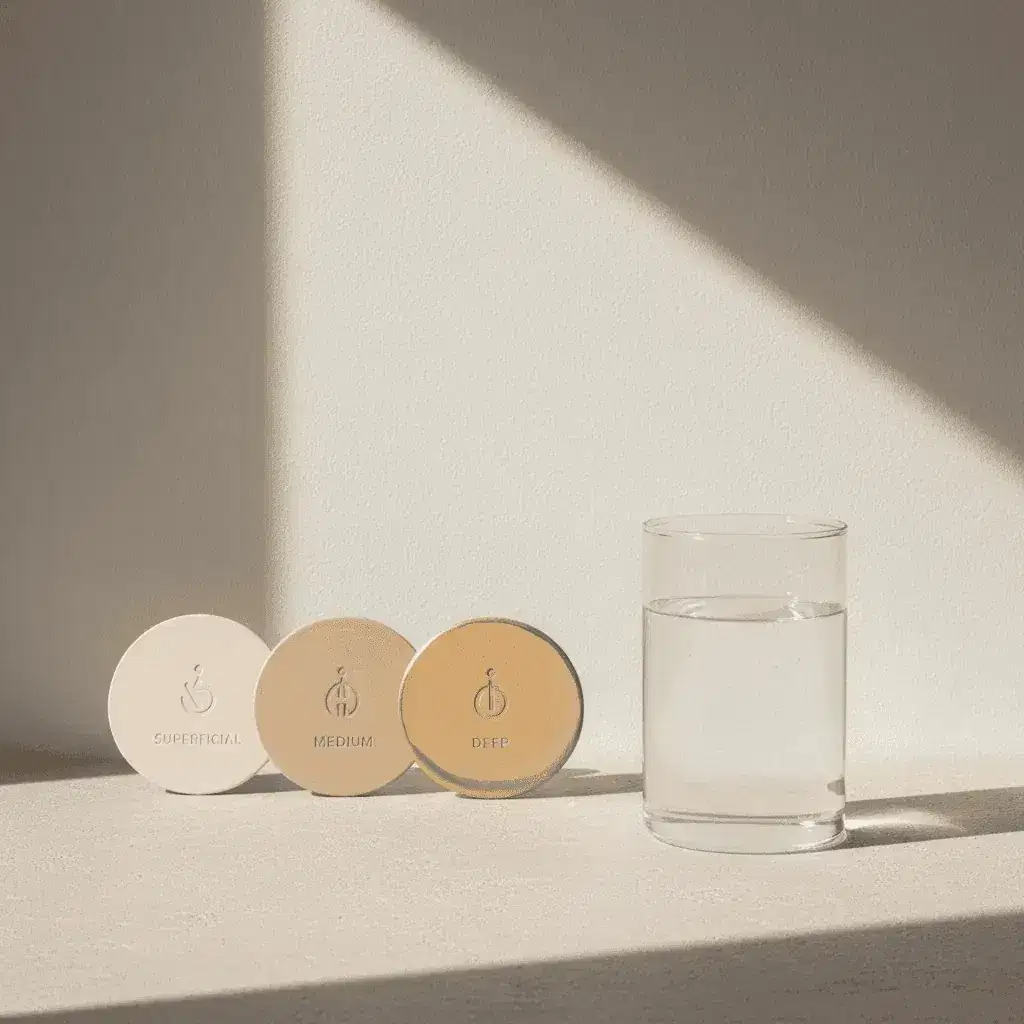
Поверхностные пилинги: Идеальны для незначительных проблем с кожей и имеют минимальный период восстановления.
Срединные пилинги: Воздействуют на более глубокие несовершенства с более длительным периодом восстановления.
Глубокие пилинги: Обеспечивают впечатляющие результаты, но требуют значительного восстановления и тщательного медицинского наблюдения.
Выбор правильной глубины: Учитывайте свой тип кожи, проблемы и допустимое время восстановления.
Что такое химический пилинг
Химический пилинг – это косметическая процедура, при которой на кожу наносится химический раствор для удаления верхних слоев. Этот процесс отшелушивает кожу, делая цвет лица более гладким и ровным. Химические пилинги используются для лечения различных кожных заболеваний, включая акне, гиперпигментацию, мелкие морщины. Глубина химического пилинга определяет его интенсивность и типы кожных проблем, которые он может решить.
Поверхностные химические пилинги
Поверхностные пилинги, также известные как легкие пилинги, являются самым мягким типом химического пилинга. Они в основном отшелушивают самый внешний слой кожи — эпидермис. Обычные кислоты, используемые в поверхностных пилингах, включают альфа-гидроксикислоты (AHA), такие как гликолевая и молочная кислоты, а также бета-гидроксикислоты (BHA), такие как салициловая кислота. Эти пилинги отлично подходят для устранения незначительных дефектов кожи и обеспечения мягкого обновления.
Преимущества поверхностных пилингов:
- Улучшение текстуры и тона кожи.
- Уменьшение выраженности мелких морщин.
- Минимизация высыпаний акне.
- Более яркий цвет лица.
- Минимальное время простоя — обычно от нескольких часов до дня.
Идеальные кандидаты:
Поверхностные пилинги подходят для людей с незначительными проблемами кожи, такими как тусклость, небольшая пигментация и редкие высыпания. Они также являются хорошим вариантом для тех, кто хочет поддерживать здоровье кожи и добиться сияющего цвета лица без значительного времени простоя.
Чего ожидать:
Во время поверхностного пилинга кислотный раствор наносится на кожу на короткий период, обычно на несколько минут. Вы можете почувствовать легкое покалывание или жжение. После пилинга ваша кожа может быть слегка покрасневшей или шелушащейся в течение дня или двух. Регулярное использование солнцезащитного крема необходимо для защиты свежеотшелушенной кожи.
Срединные химические пилинги
Срединные пилинги проникают глубже в кожу, достигая верхних слоев дермы. Трихлоруксусная кислота (TCA) является обычно используемой кислотой для пилингов средней глубины. Эти пилинги более эффективны для лечения умеренных кожных проблем, таких как более глубокие морщины, шрамы от угревой сыпи и более выраженная гиперпигментация.
Преимущества срединных пилингов:
- Уменьшение глубоких морщин.
- Улучшение внешнего вида шрамов от угревой сыпи.
- Осветление пигментных пятен и солнечных повреждений.
- Более гладкая текстура кожи.
Идеальные кандидаты:
Срединные пилинги подходят для людей с более серьезными проблемами кожи, такими как заметные морщины, рубцы от угревой сыпи или неровный тон кожи. Они также подходят для тех, кто может перенести более длительный период восстановления.
Чего ожидать:
Срединный пилинг включает в себя нанесение химического раствора на кожу, что может вызвать более интенсивное ощущение жжения, чем поверхностный пилинг. Кожа обычно краснеет и шелушится в течение примерно 5-7 дней. Важно поддерживать кожу увлажненной и защищенной от солнца в течение периода восстановления. Инструкции по уходу после пилинга необходимо тщательно соблюдать, чтобы избежать осложнений.
Глубокие химические пилинги
Глубокие пилинги — это самый агрессивный тип химического пилинга, проникающий глубоко в дерму. Фенол является основной кислотой, используемой для глубоких пилингов. Эти пилинги предназначены для лечения тяжелых кожных заболеваний, таких как глубокие морщины, значительное повреждение от солнца и предраковые образования. Из-за интенсивности и потенциальных рисков глубокие пилинги должен выполнять квалифицированный и опытный врач.
Преимущества глубоких пилингов:
- Значительное уменьшение глубоких морщин.
- Значительное улучшение при серьезных солнечных повреждениях.
- Лечение предраковых образований кожи.
- Долгосрочные результаты.
Идеальные кандидаты:
Глубокие пилинги подходят для людей с серьезными повреждениями кожи и глубокими морщинами, которые готовы пройти значительный период восстановления. Необходима тщательная медицинская оценка, чтобы определить, подходит ли глубокий пилинг, поскольку он несет более высокий риск осложнений.
Чего ожидать:
Глубокие пилинги выполняются под анестезией или сильной седацией из-за сильной боли и дискомфорта. После процедуры на кожу накладывается повязка, и период восстановления может длиться несколько недель. Распространены значительные отеки, покраснения и шелушение. Строгое соблюдение послеоперационного ухода необходимо для предотвращения инфекции, рубцевания и изменений пигментации кожи.
Как Santé Clinics Barcelona может помочь
В Santé Clinics Barcelona наша команда опытных врачей предоставляет индивидуальные процедуры химического пилинга, адаптированные к вашим конкретным потребностям кожи. Мы предлагаем широкий спектр глубин химического пилинга, от поверхностного до глубокого, гарантируя, что вы получите наиболее подходящее и эффективное лечение. Наши всесторонние консультации и передовые методы сводят к минимуму риски и максимизируют результаты. Мы уделяем первостепенное внимание вашей безопасности и удовлетворению, обеспечивая тщательный уход до и после лечения, чтобы обеспечить гладкий и успешный опыт. Благодаря нашим современным средствам и стремлению к совершенству, Santé Clinics Barcelona является вашим надежным партнером в достижении сияющей и здоровой кожи.
Готовы начать?
Готовы начать свой путь к более гладкой и сияющей коже? Свяжитесь с нами в WhatsApp для бесплатной консультации в Santé Clinics Barcelona, Avenida Diagonal 384.