
Our Services
Treatments
Discover our wide range of aesthetic medicine treatments, designed to enhance your natural beauty with the highest standards of safety and quality.
115 treatments found
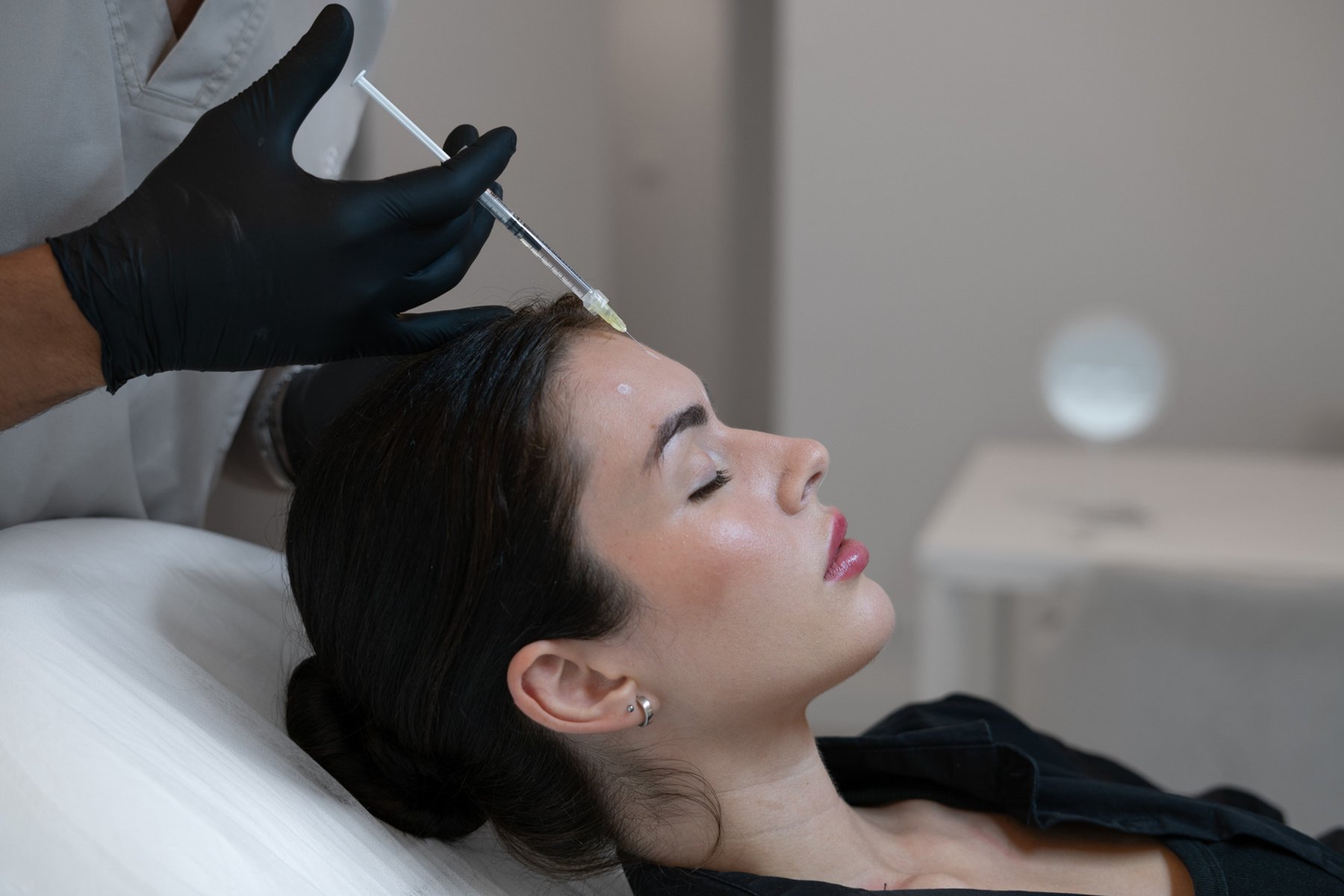
Expression Lines
Expression Lines
The treatment effectively minimizes and prevents wrinkles and expression lines in areas such as the forehead, between th...
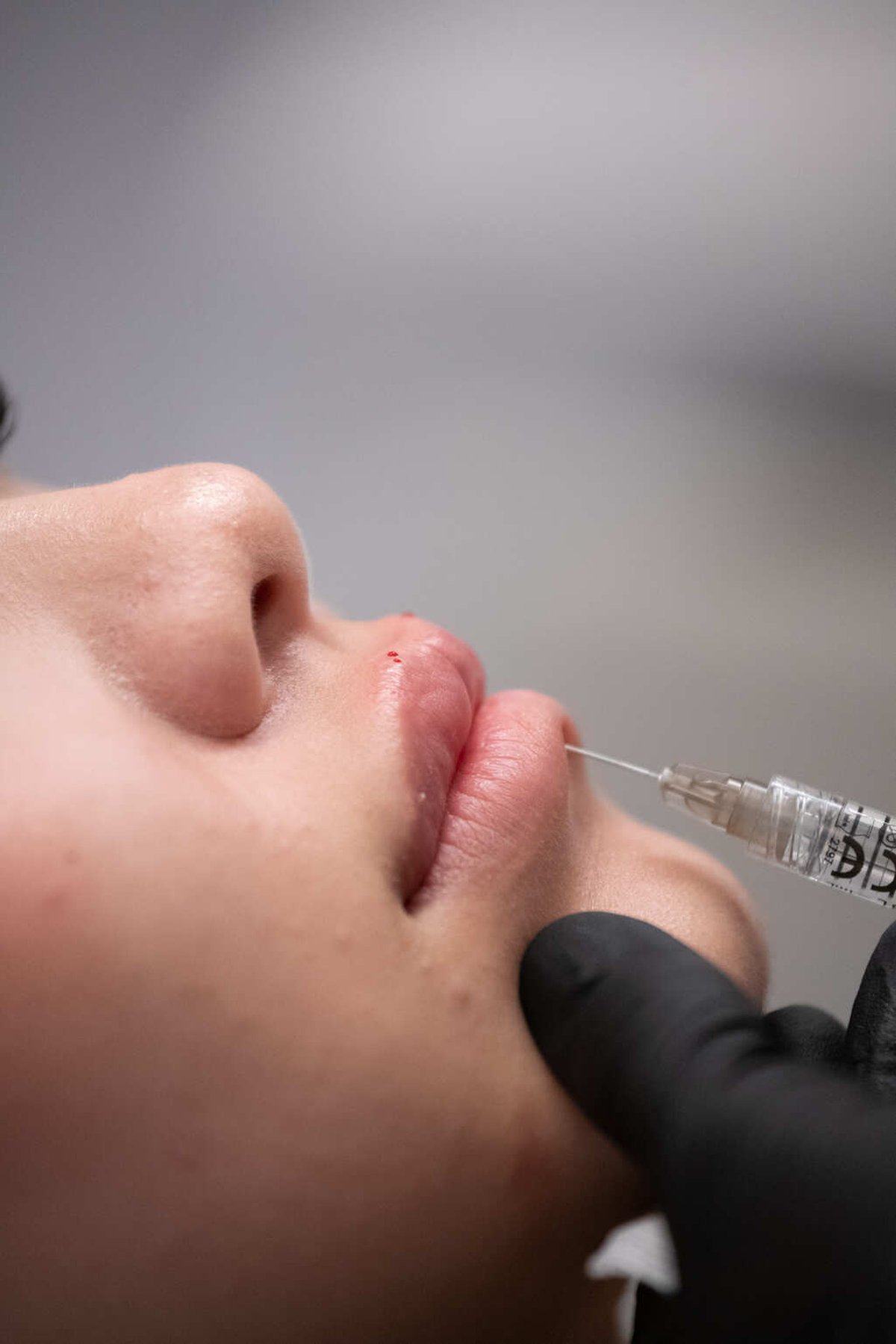
Lip Augmentation and Hydration
Lip Augmentation and Hydration
Enhances lip volume, defines contours, deeply hydrates, and ensures a natural and elegant finish that complements your u...
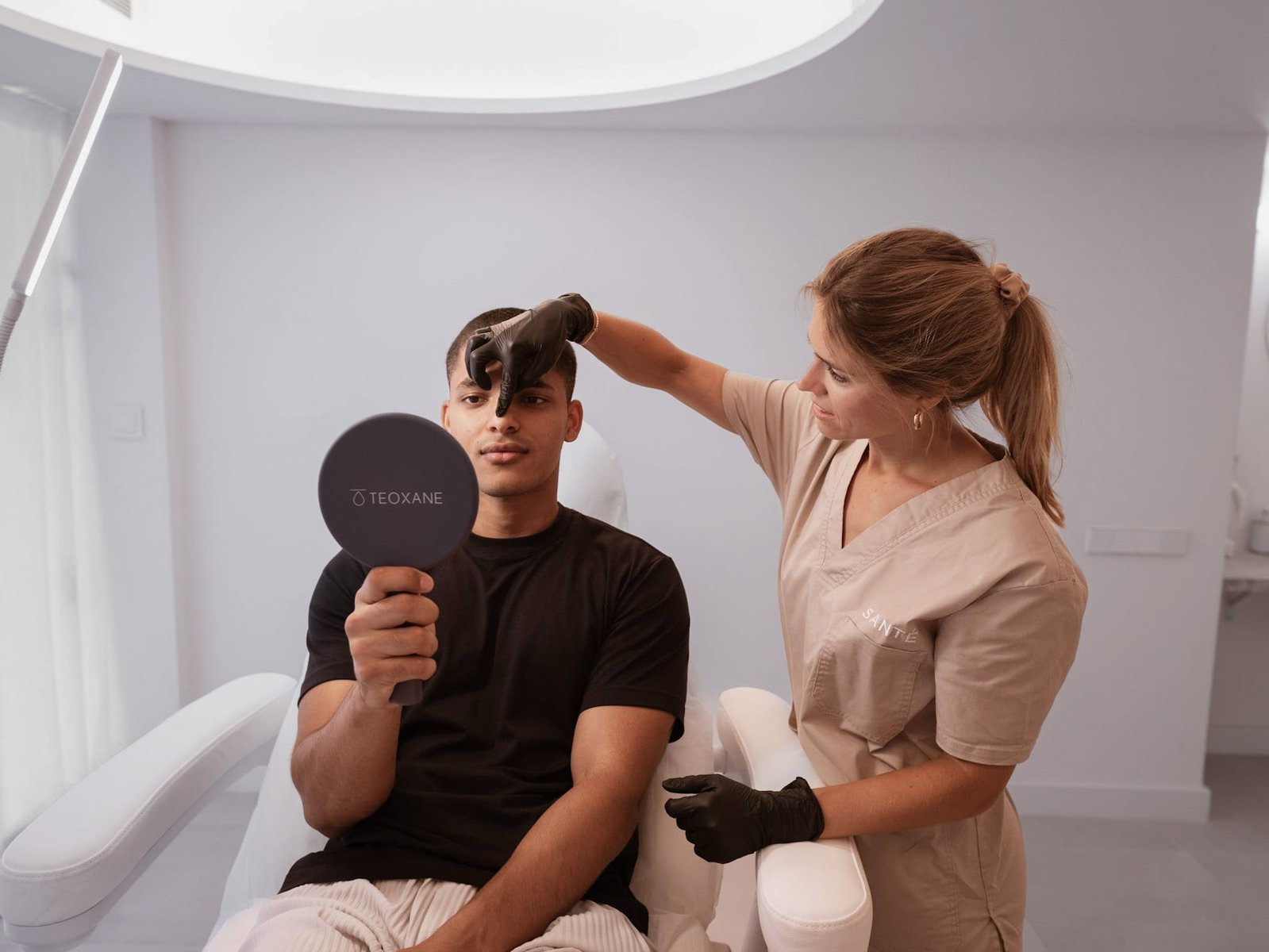
Rhinomodeling
Rhinomodeling
Refines and enhances the shape of the nose without the need for surgery, providing a natural and elegant appearance.
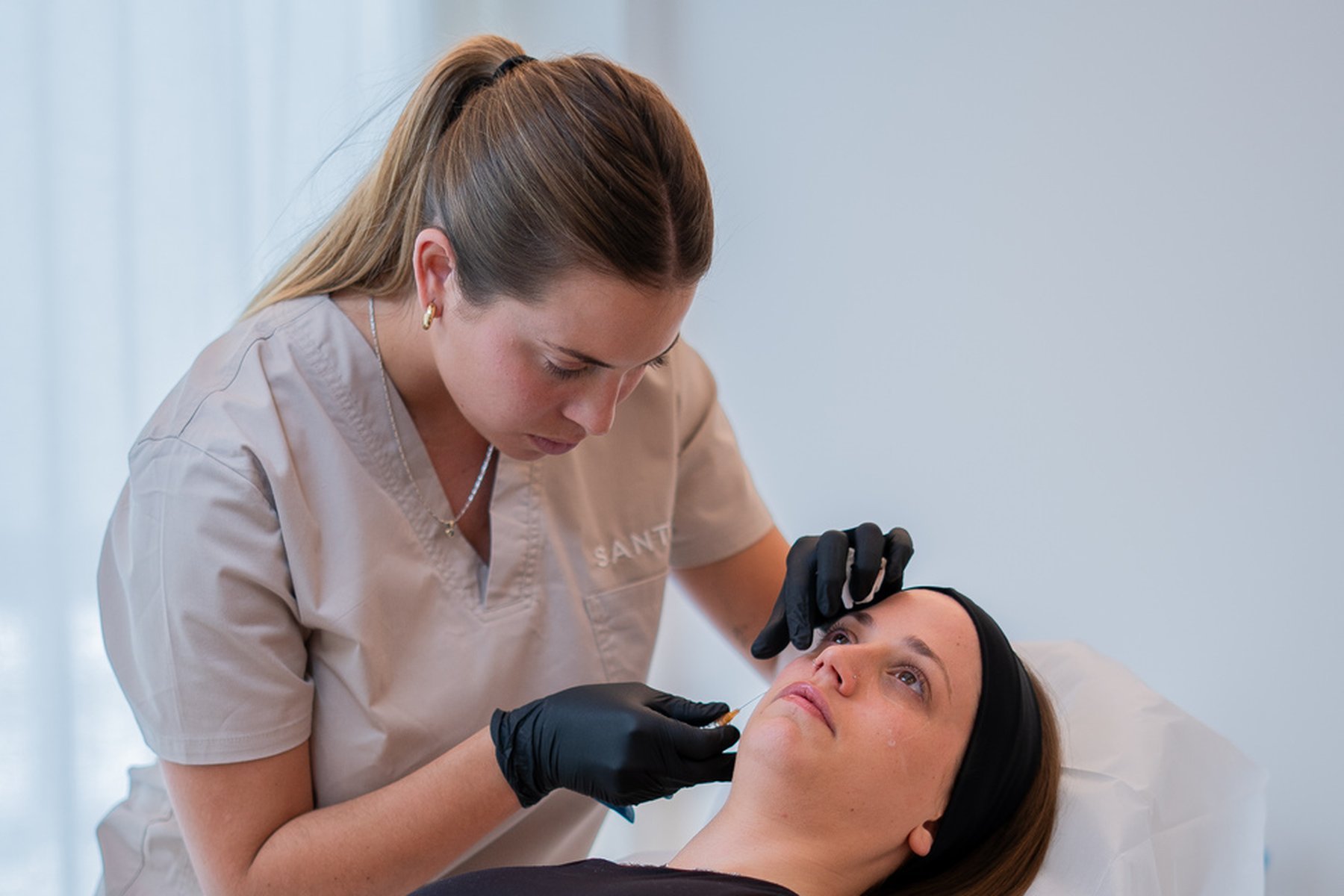
Under-Eye Filler
Under-Eye Filler
Restores volume, reduces dark circles and bags, and rejuvenates the under-eye area for a naturally youthful appearance.
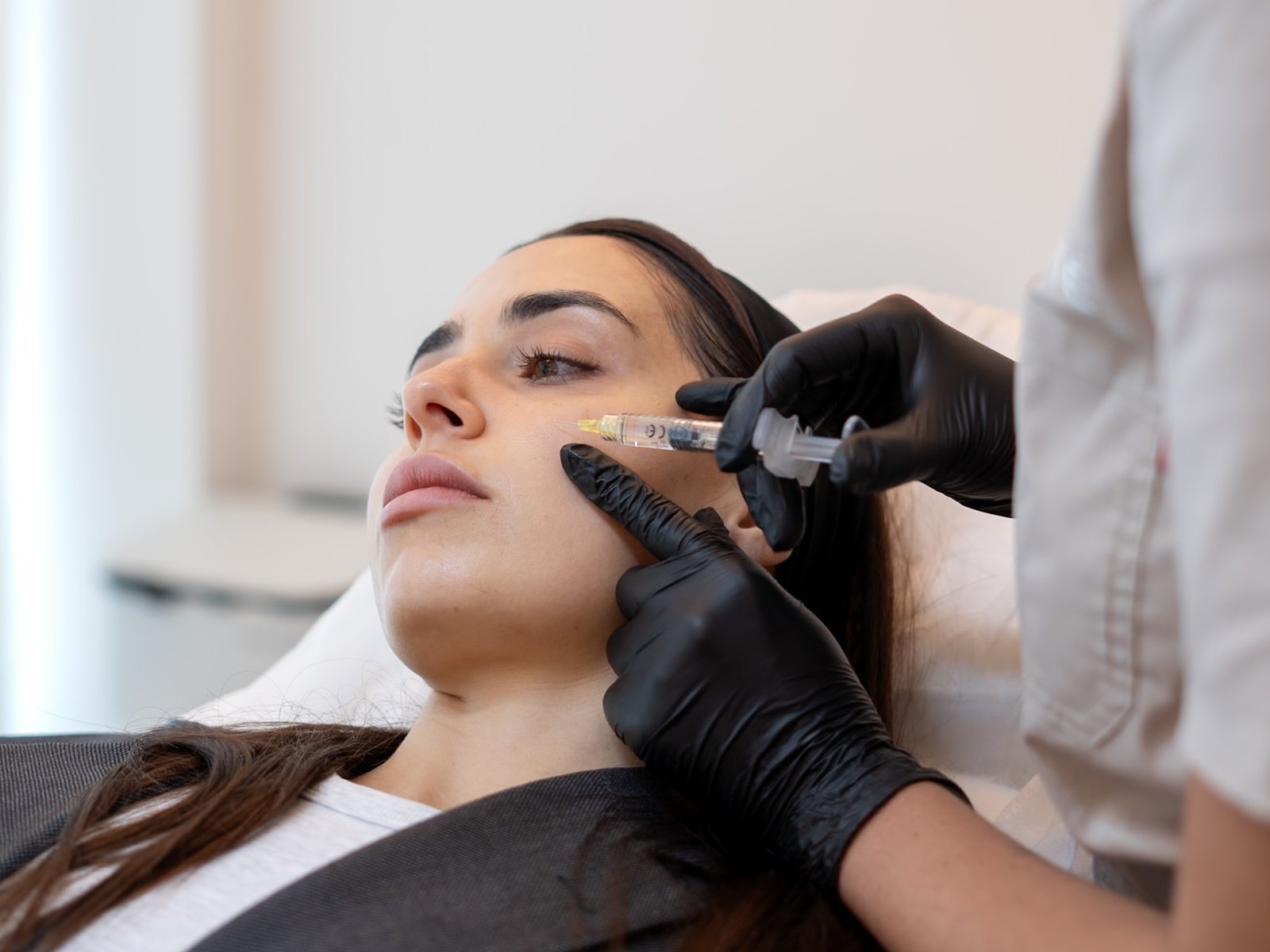
Cheekbone Filling
Cheekbone Filling
Enhances and defines cheekbones, restores lost volume, and rejuvenates the face with natural and long-lasting results.
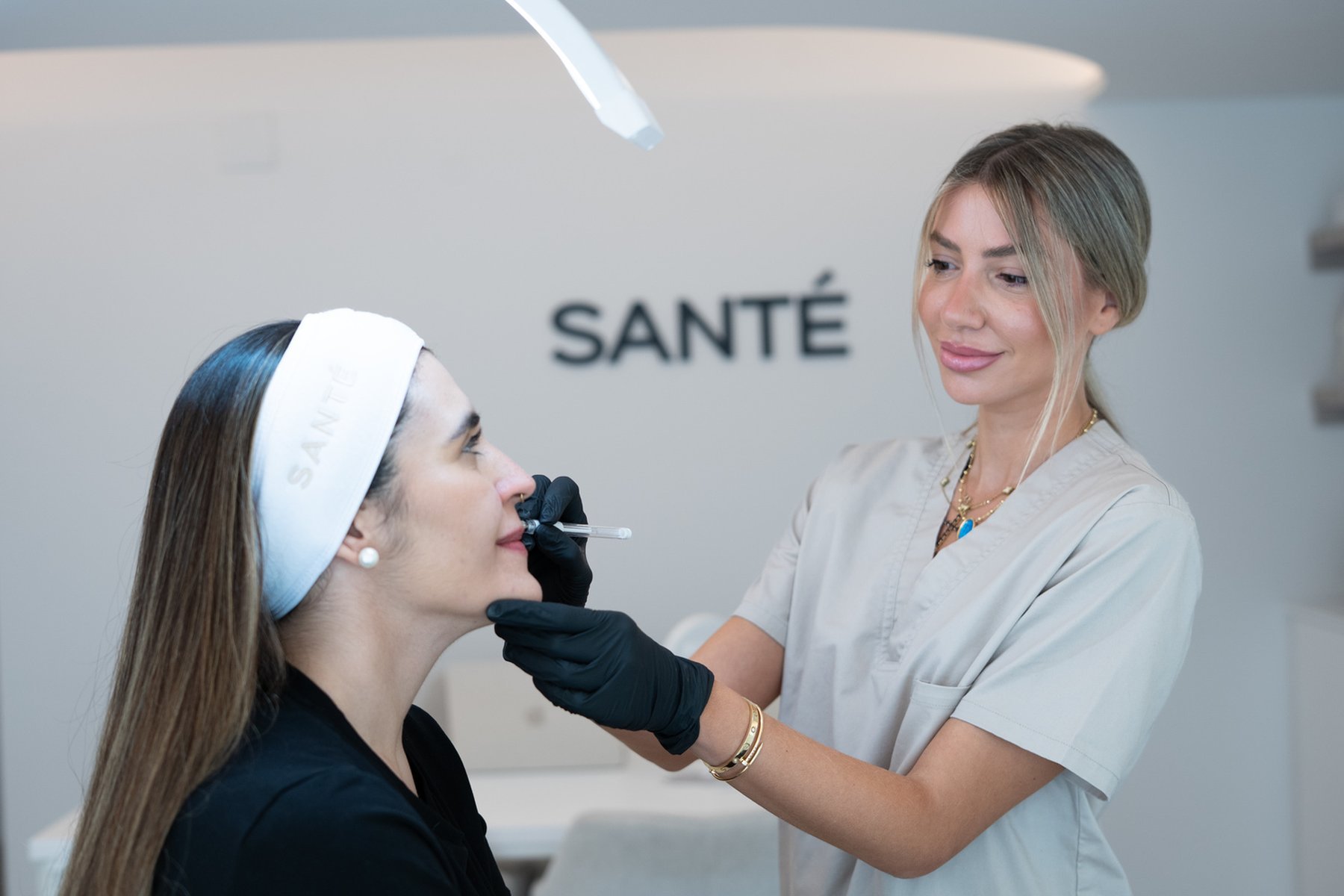
Nasolabial Fold
Nasolabial Fold
Smooths laugh lines and restores volume for a youthful and rejuvenated appearance.
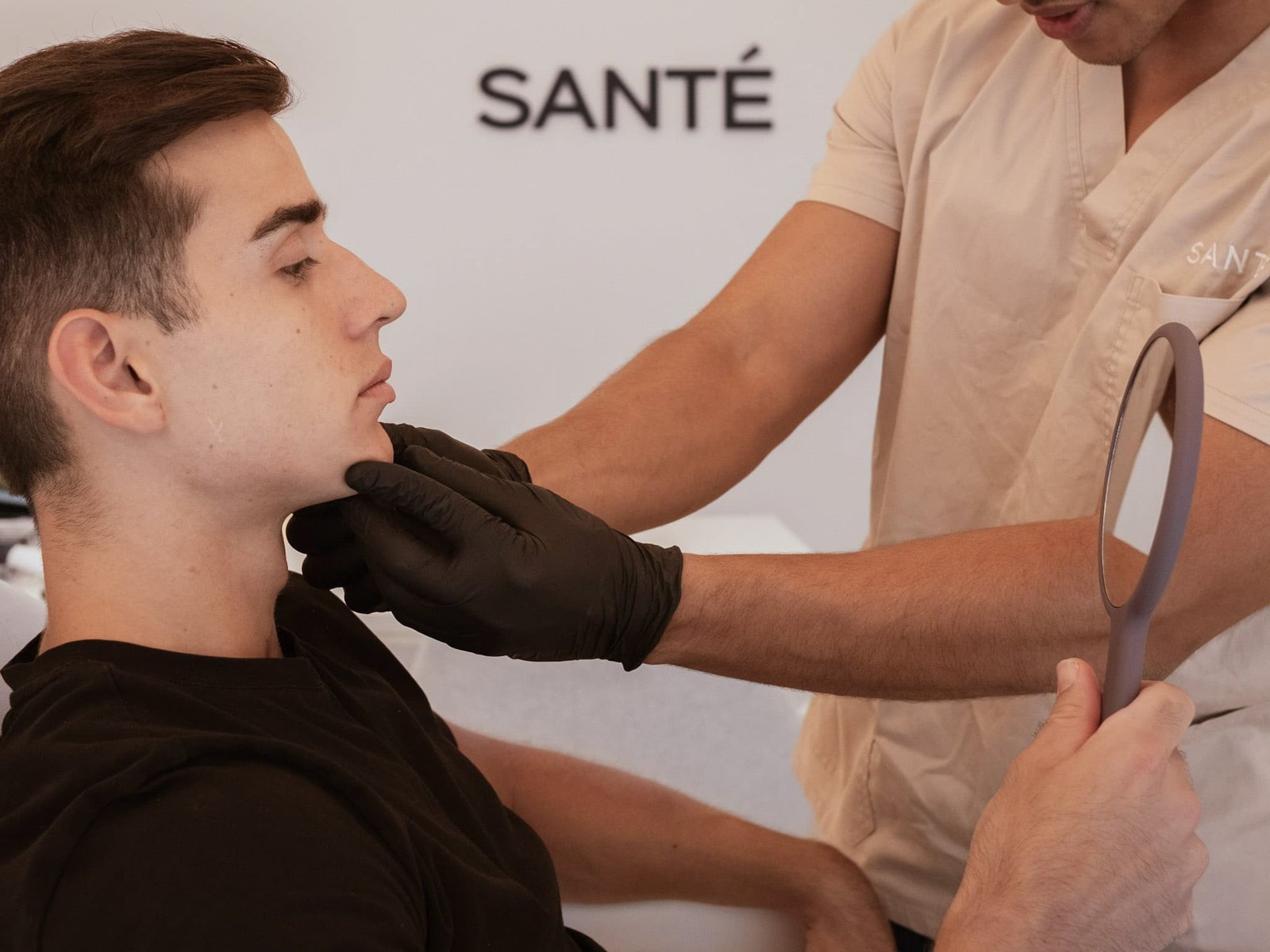
Jawline Definition
Jawline Definition
Defines, enhances, and sharpens the jawline, restoring facial balance and structure with long-lasting, natural results.

Chin Correction
Chin Correction
Enhances chin projection, corrects asymmetries, and improves facial balance with natural, long-lasting results.

Gummy Smile
Gummy Smile
Relaxes hyperactive upper lip muscles to reduce excessive gum exposure, creating a more balanced, confident, and aesthet...
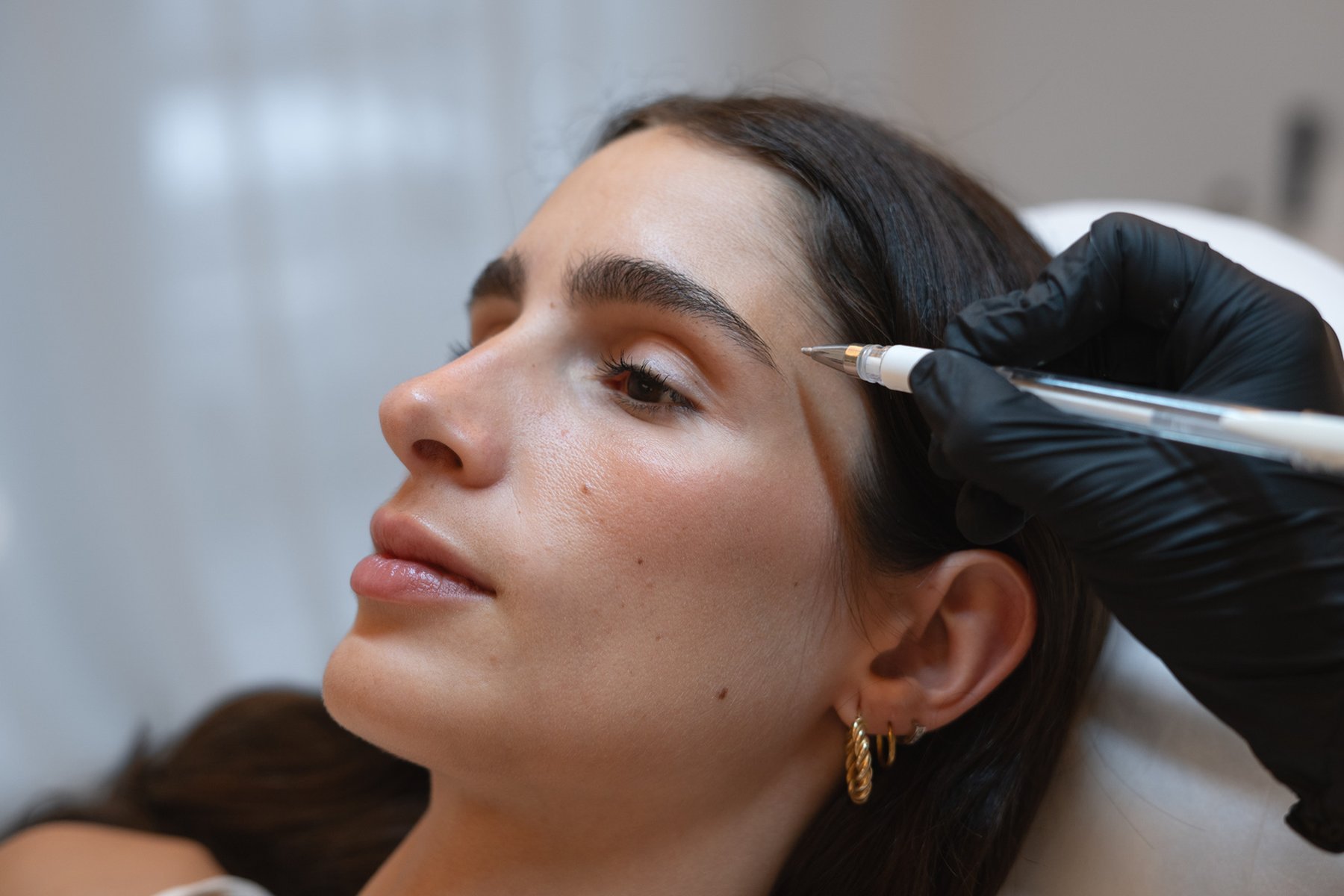
Temple Filling
Temple Filling
Restores volume, corrects depressions, and rejuvenates the temporal area for a balanced and youthful appearance.
Bruxism
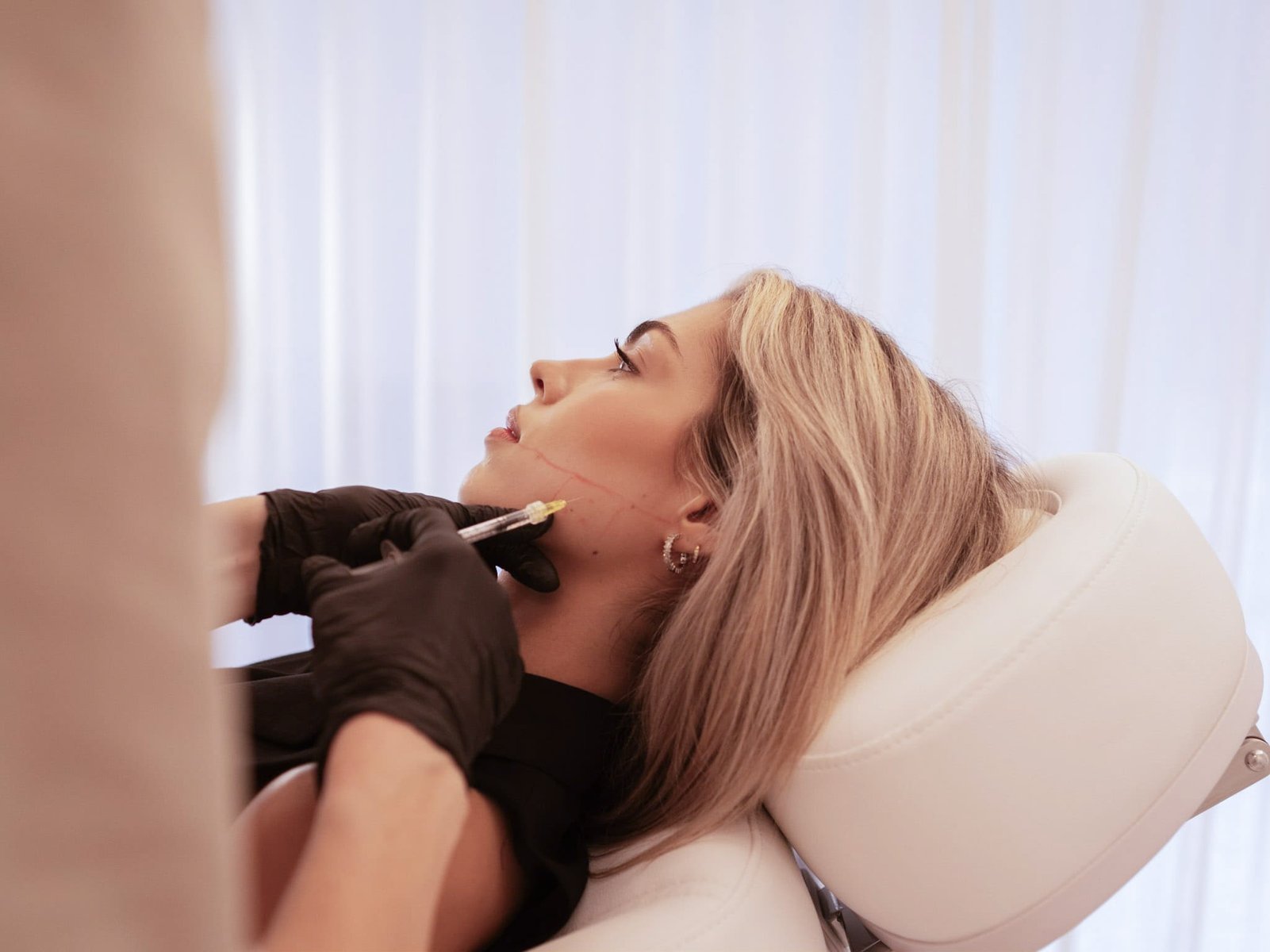
Bruxism
Relaxes the masseter muscles, reducing teeth grinding and jaw tension, and improving overall comfort and quality of life...
Facial Harmonization
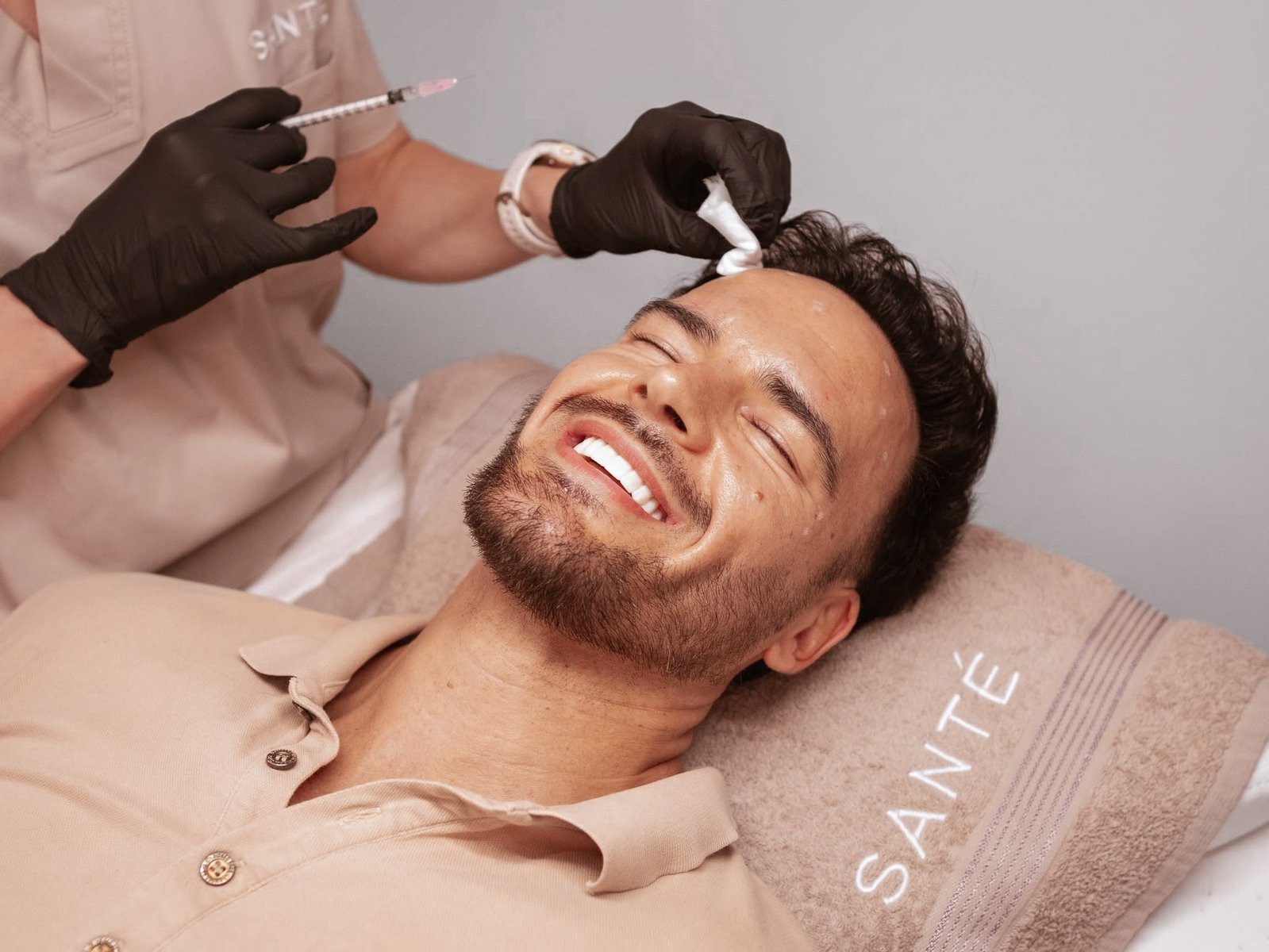
Facial Harmonization
Corrects multiple areas of the face, restoring balance, enhancing symmetry, and rejuvenating the overall facial appearan...
Hair Mesotherapy
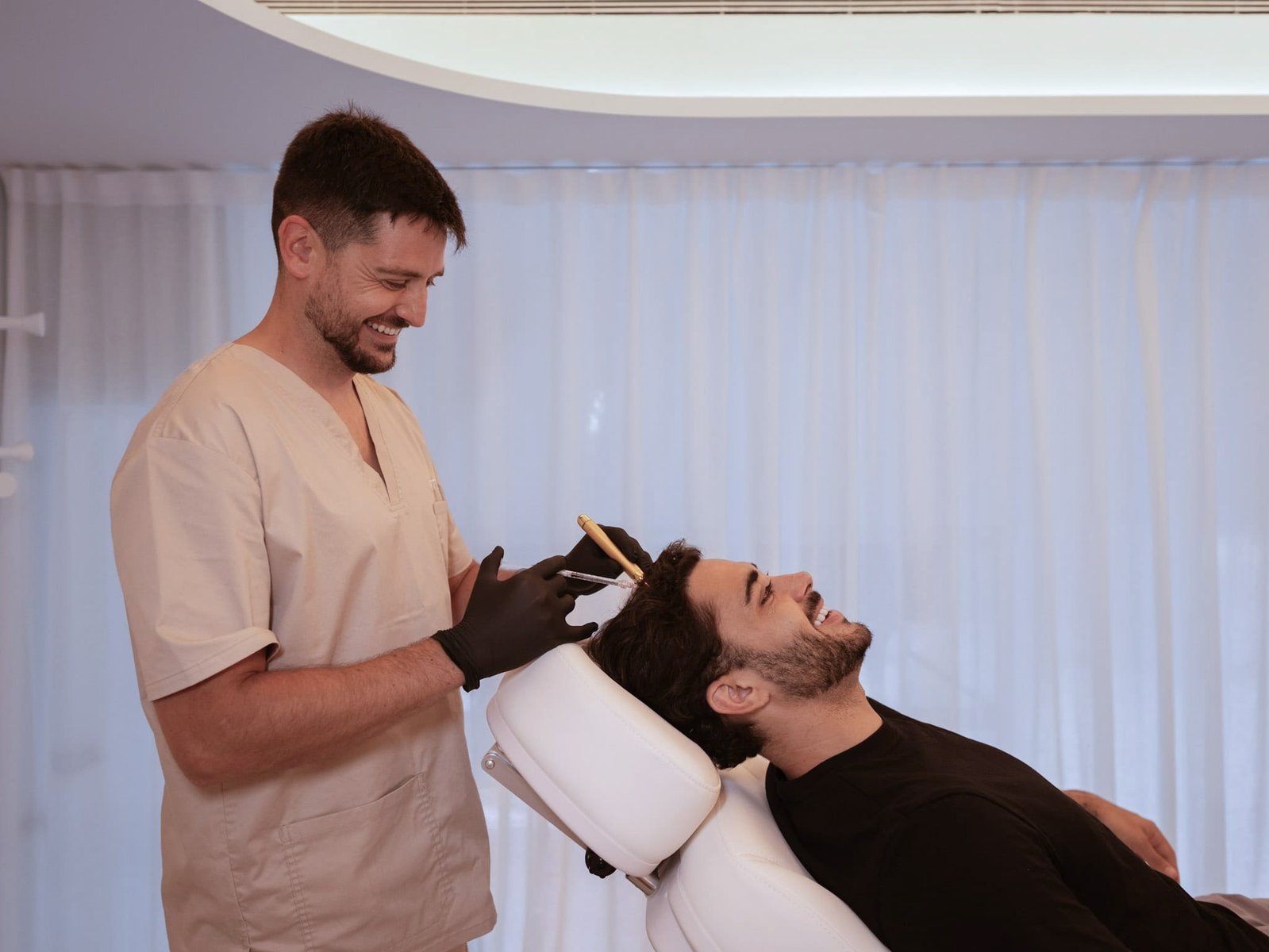
Hair Mesotherapy
Stimulates hair growth, strengthens follicles, improves hair density and volume for a revitalized appearance.
Microneedling
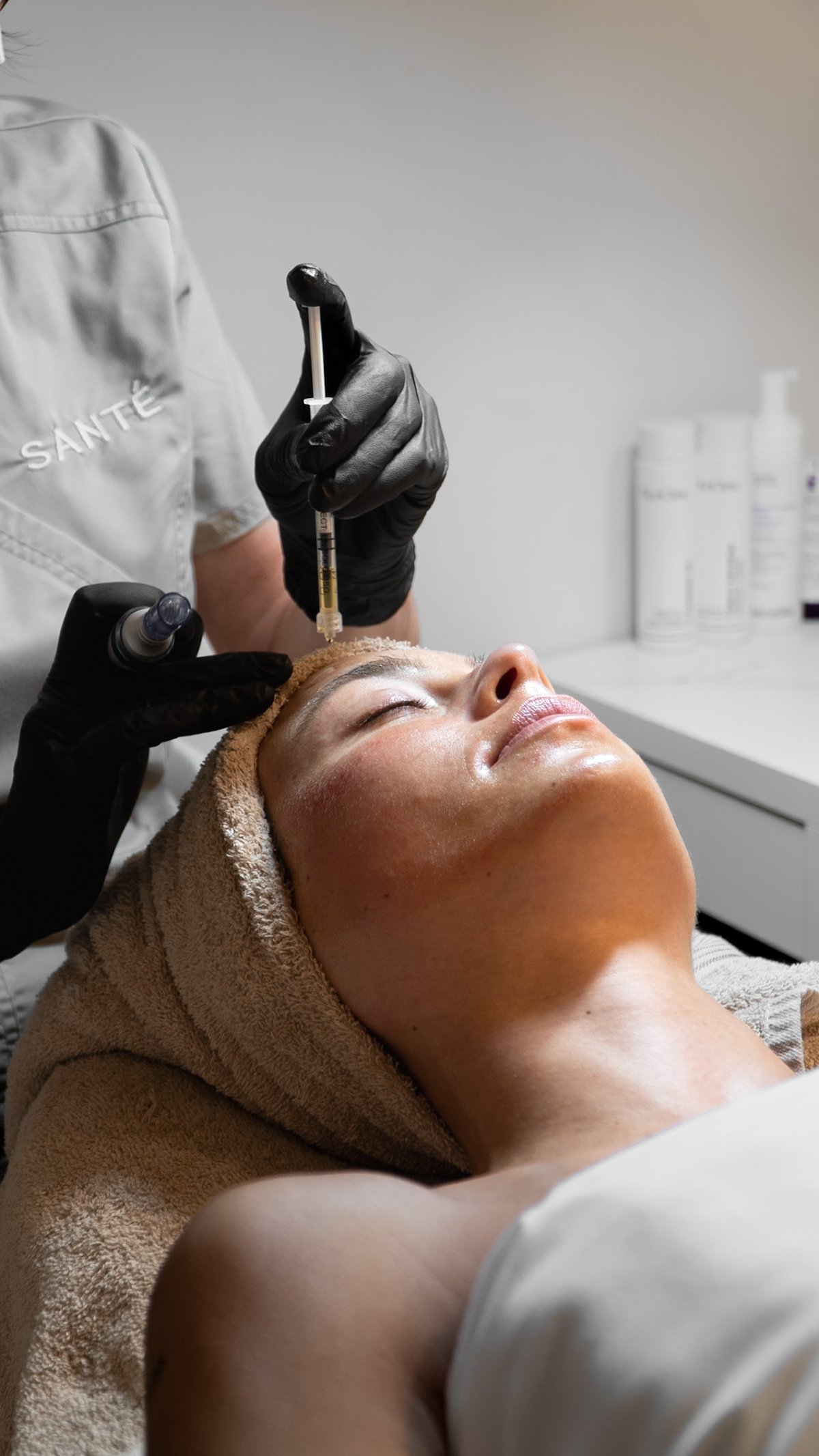
Microneedling
Stimulates collagen and elastin production with our comprehensive medical protocol integrating SkinCeuticals products, i...

Maderotherapy
Maderotherapy
Reduces cellulite, improves circulation, stimulates lymphatic drainage, and tones the body for a more sculpted appearanc...
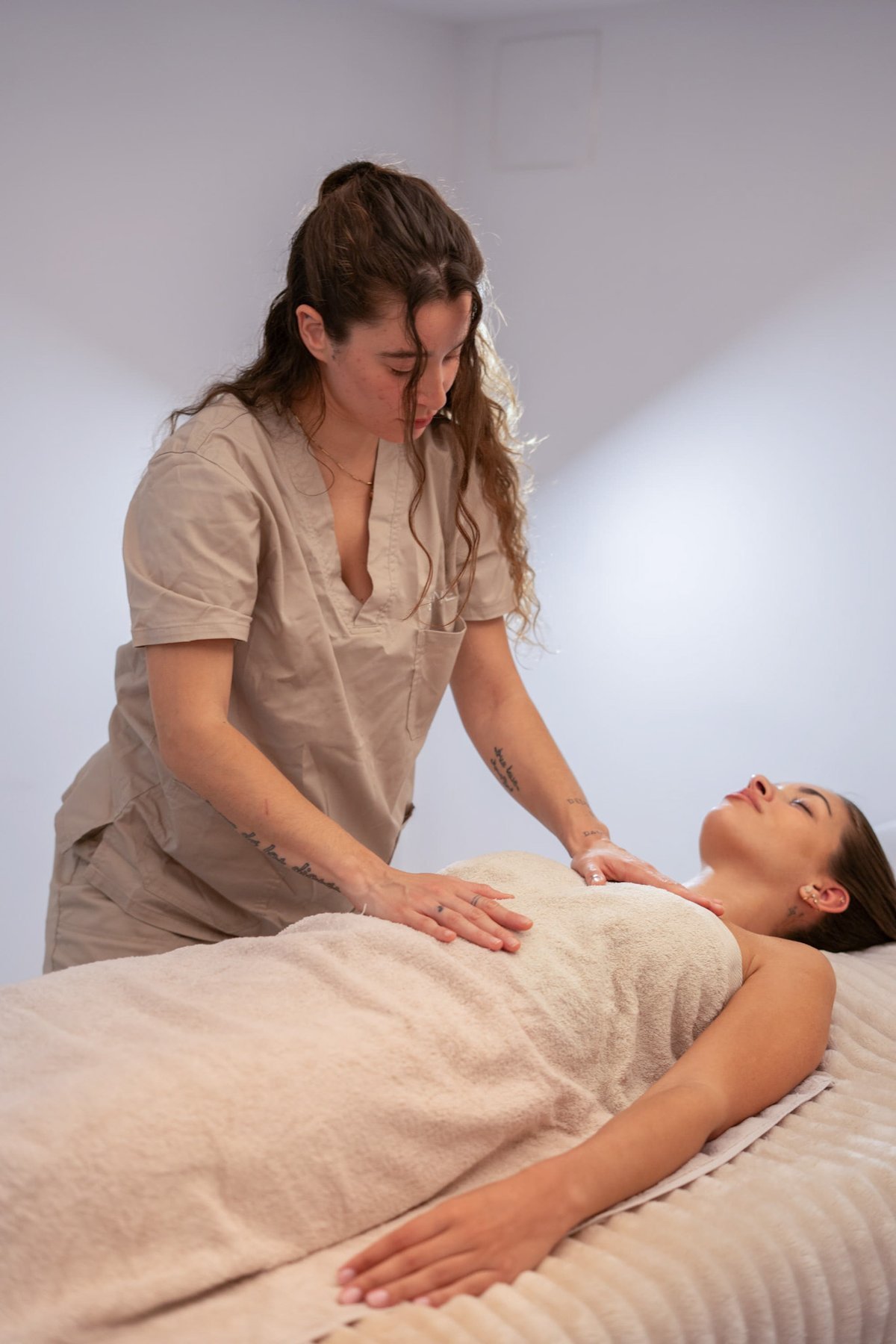
Body Draining Massage (with oil)
Body Draining Massage (with oil)
Activates circulation, relaxes muscles, and brings lightness and comfort to the body.
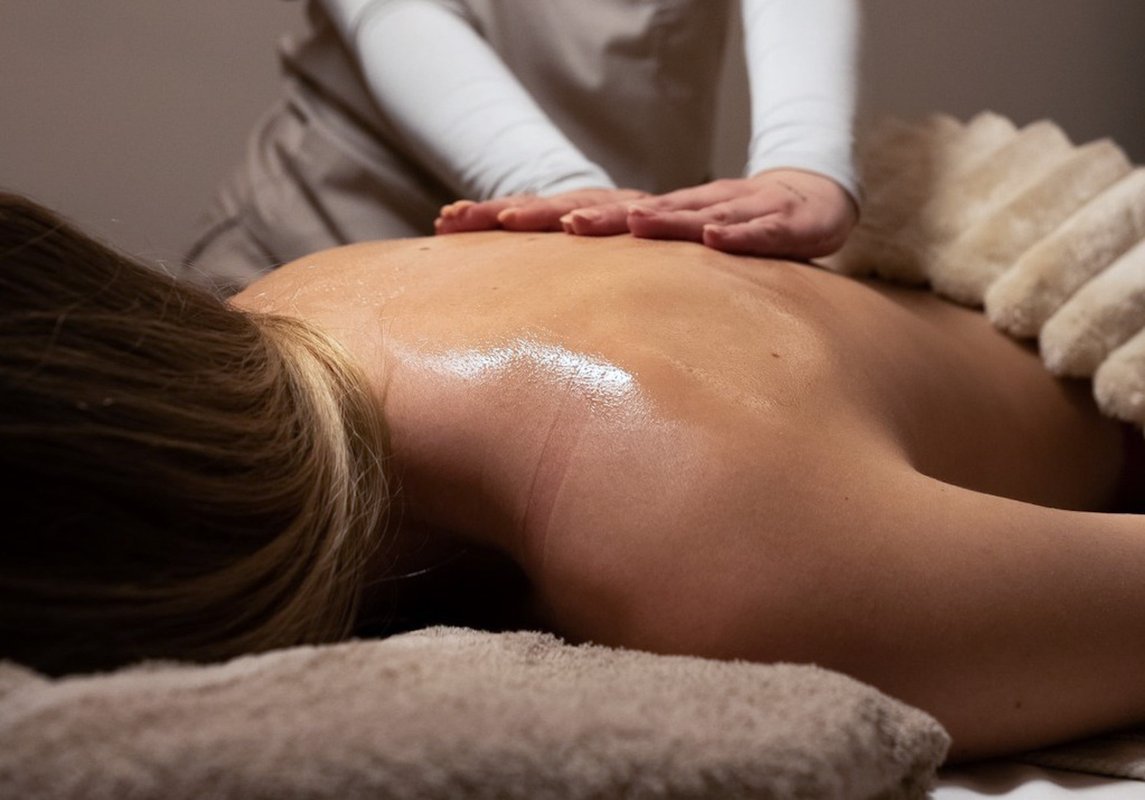
Manual Lymphatic Drainage · Vodder Method
Manual Lymphatic Drainage · Vodder Method
Stimulates the lymphatic system, favors fluid elimination, reduces inflammation, and restores body balance.
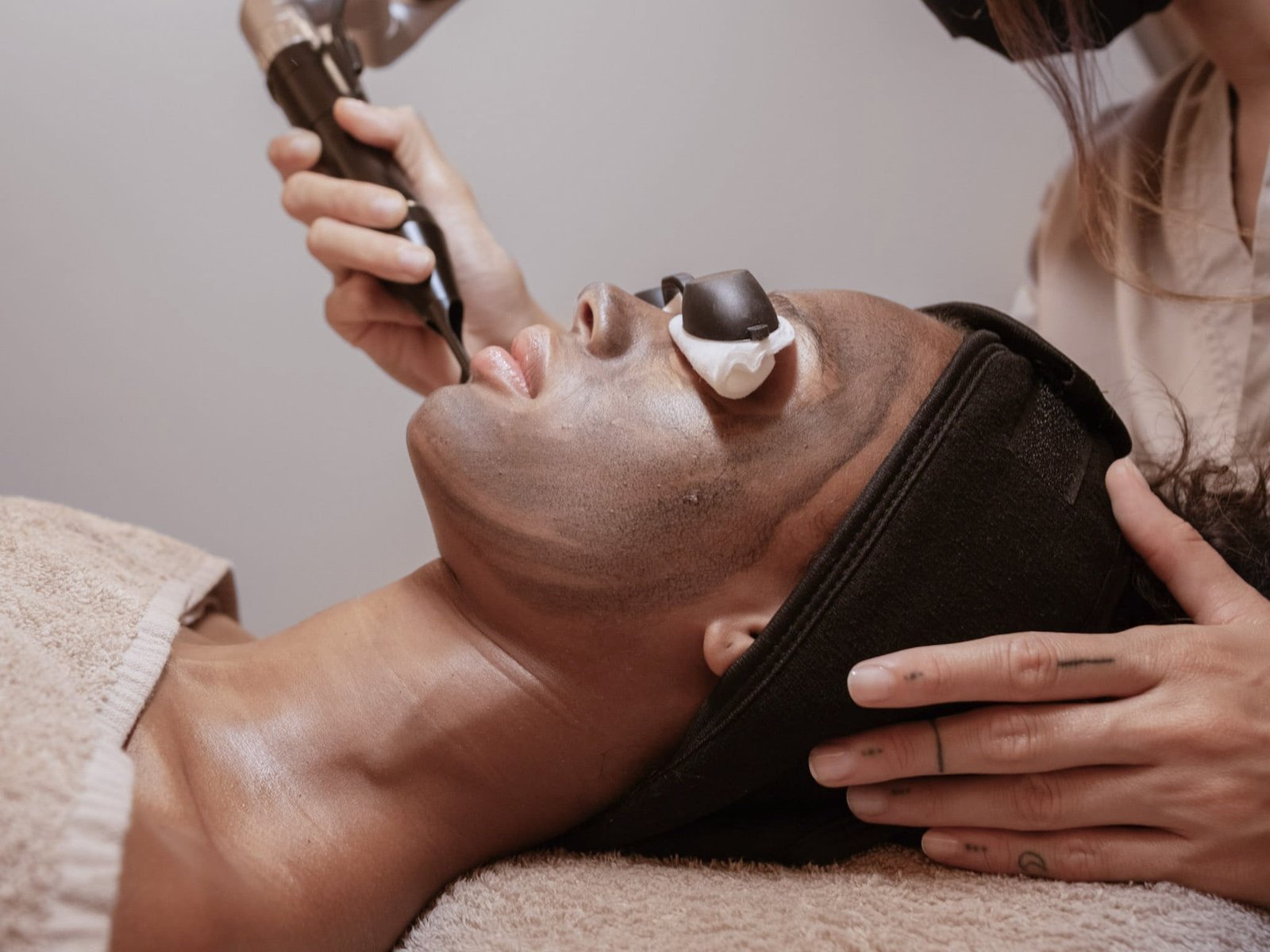
Hollywood Peeling
Hollywood Peeling
Deeply exfoliates the skin with our comprehensive medical protocol integrating SkinCeuticals products, reduces pigmentat...

Facial Mesotherapy with Vitamins
Facial Mesotherapy with Vitamins
Delivers a blend of nutrients, vitamins, and hyaluronic acid to rejuvenate, hydrate, and improve skin tone and texture.
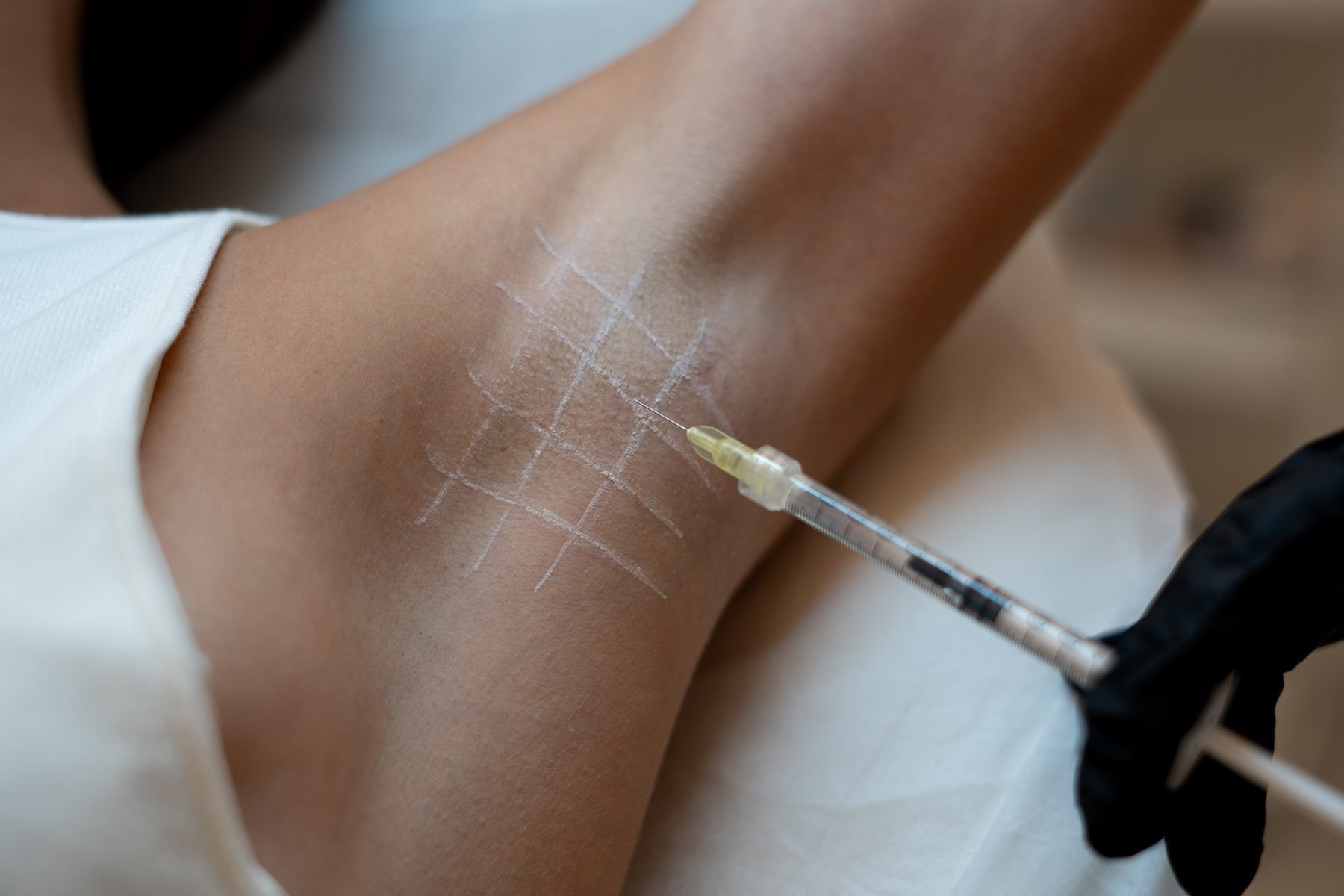
Hyperhidrosis
Hyperhidrosis
Controls excessive sweating in specific areas, such as the underarms, palms, and soles, improving quality of life and re...
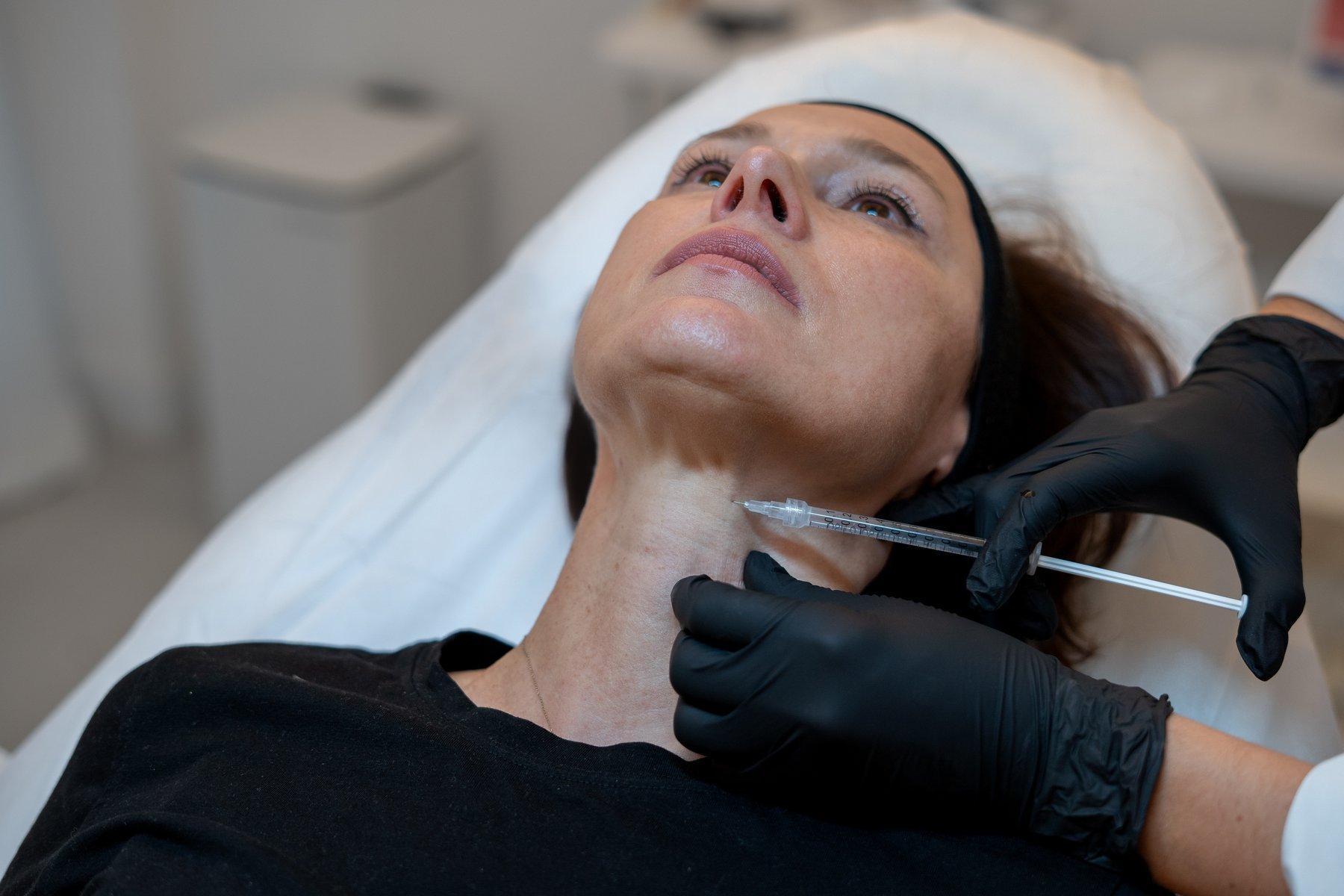
Nefertiti Lift
Nefertiti Lift
Defines and tightens the jawline and neck contour, creating a more youthful and sculpted appearance.
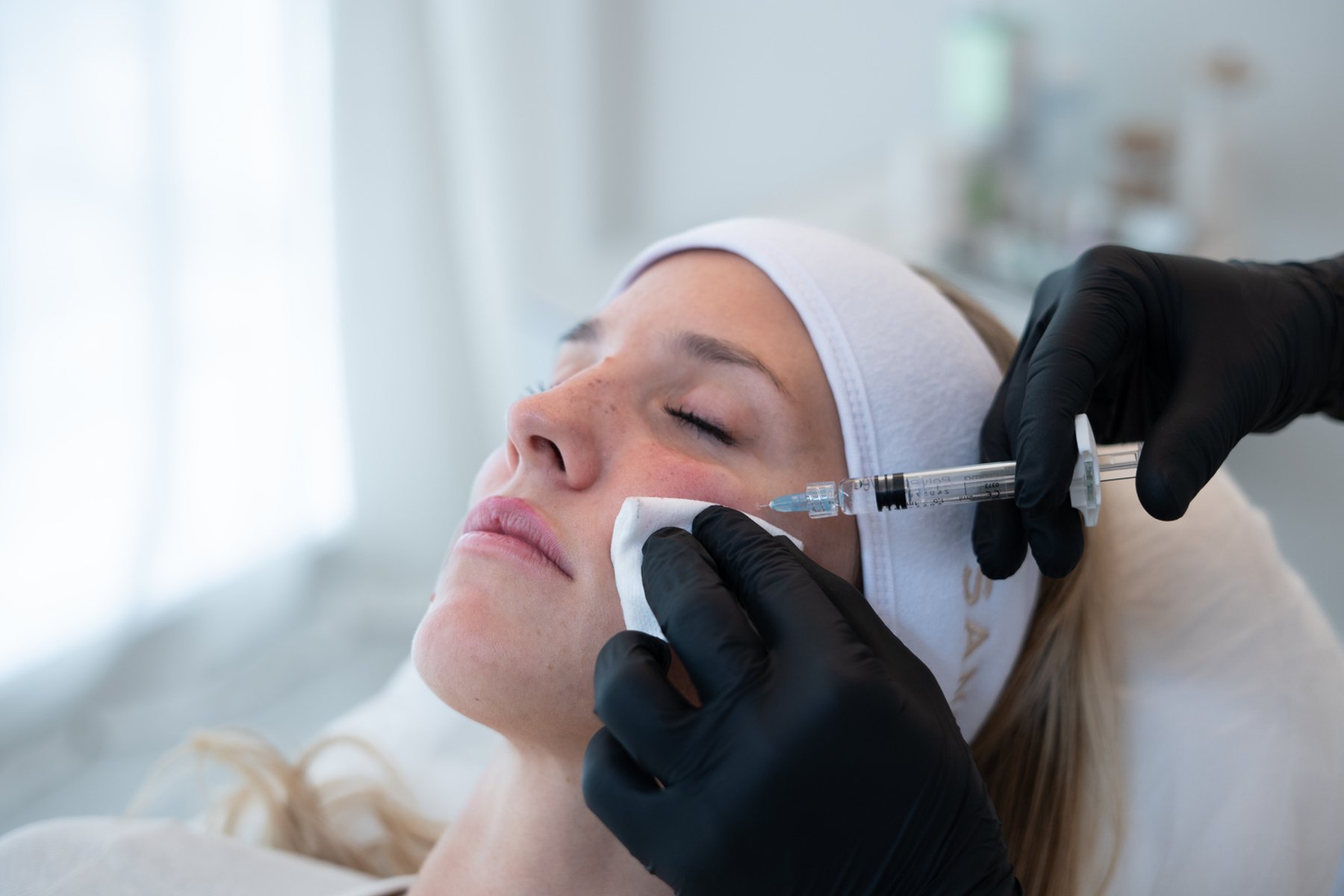
Periocular Mesotherapy
Periocular Mesotherapy
Reduces puffiness, dark circles, and fine lines, rejuvenating the eye area for a fresher and more youthful appearance.
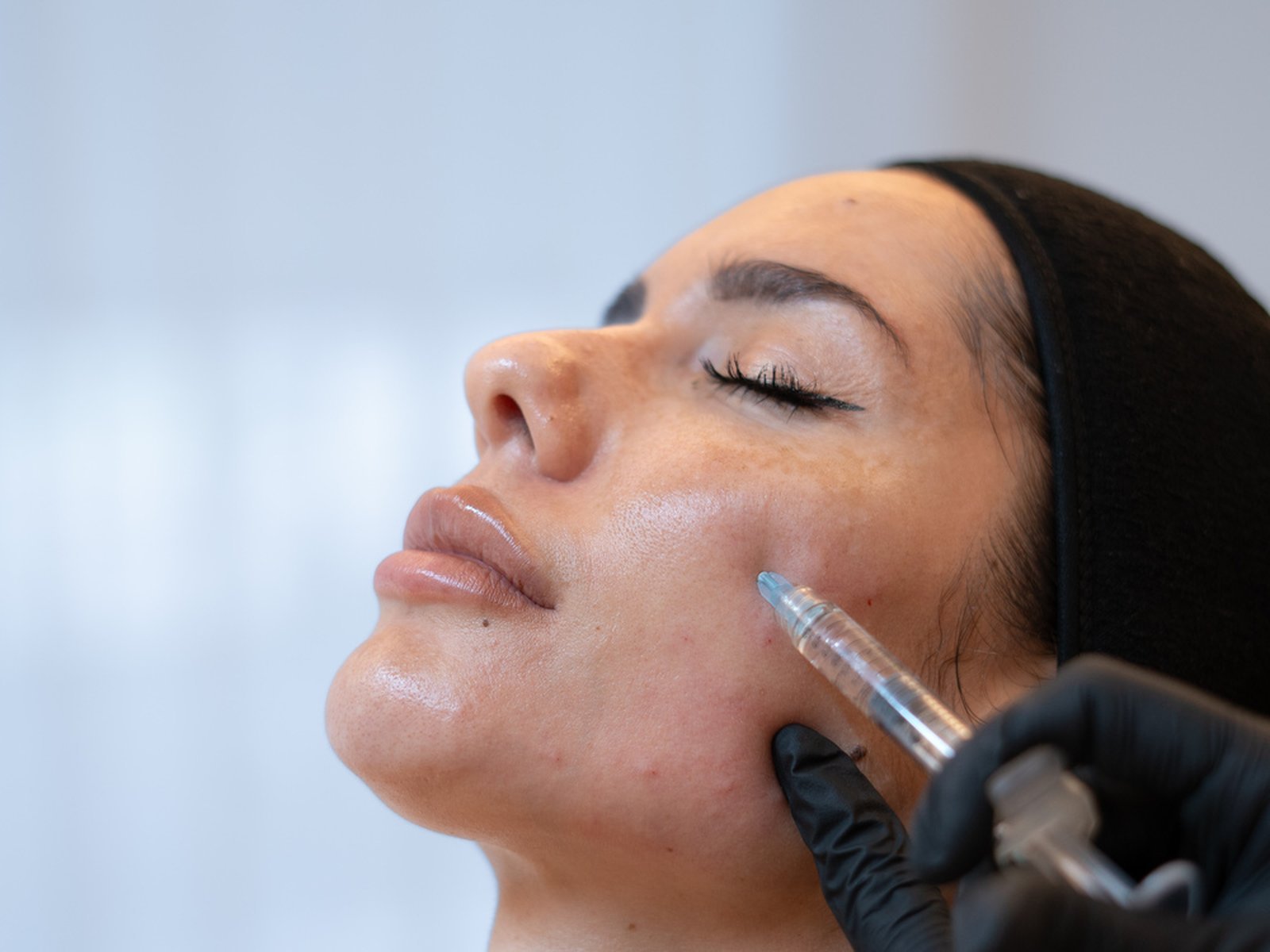
Skin Booster
Skin Booster
Delivers intense hydration, nutrients, and antioxidants to facial skin, improving texture, elasticity, and radiance for ...
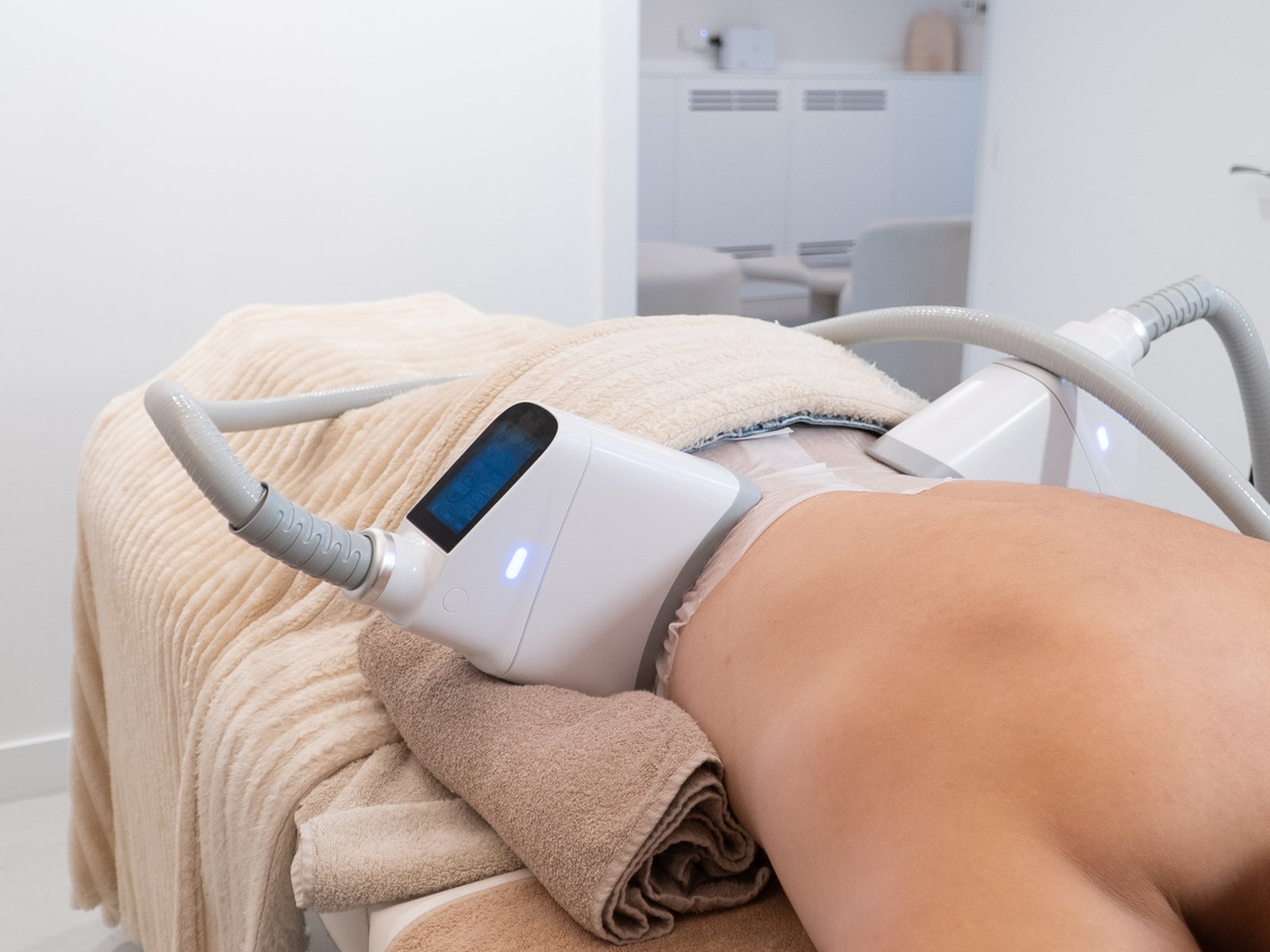
Cryolipolysis
Cryolipolysis
Eliminates localized fat by crystallizing fat cells for natural elimination by the body.

Facial HIFU (Ultraformer MPT)
Facial HIFU (Ultraformer MPT)
Provides a dramatic lifting effect, improves firmness, and stimulates collagen for a rejuvenated, younger-looking appear...
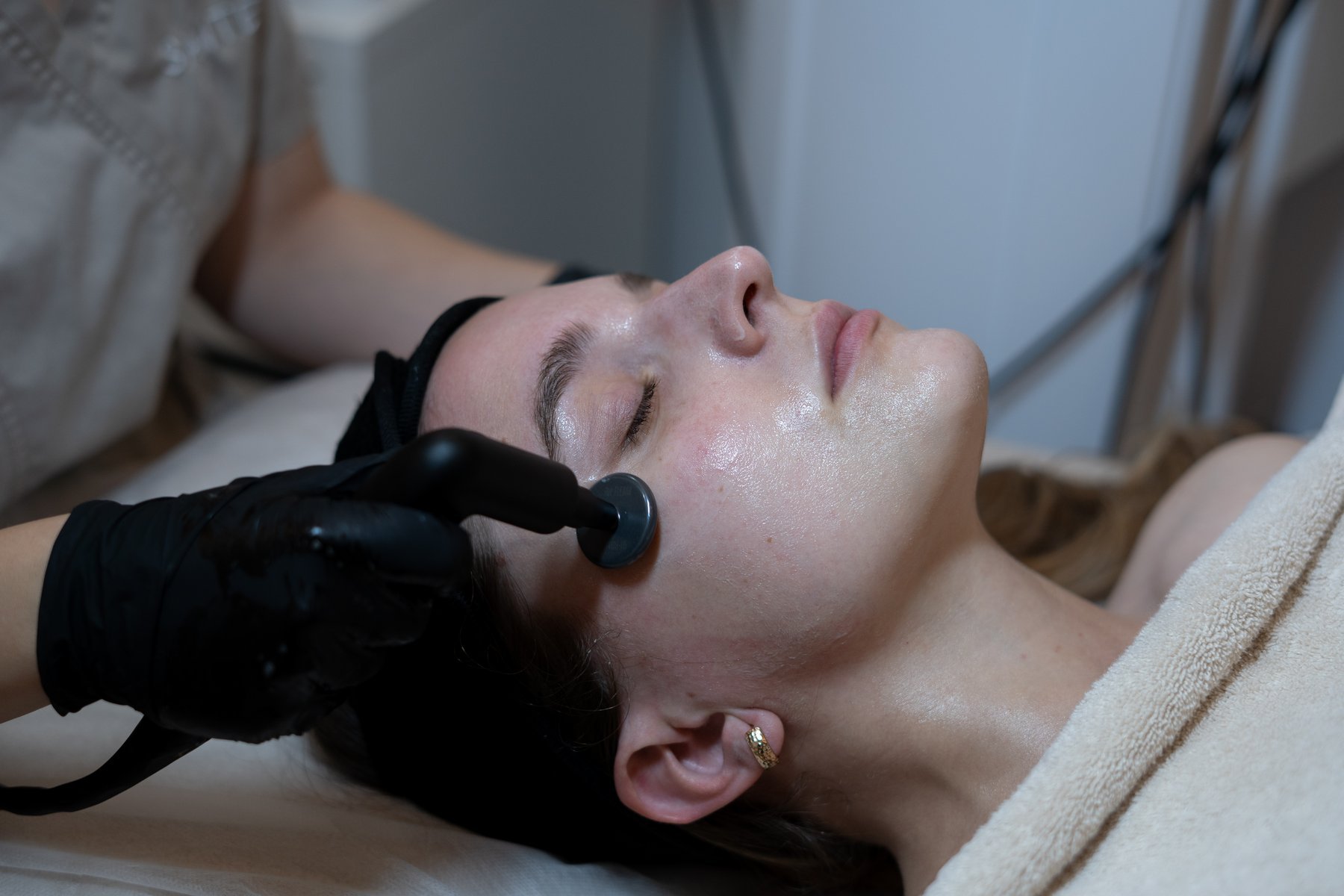
INDIBA® Facial Radiofrequency
INDIBA® Facial Radiofrequency
Stimulates deep cellular regeneration, improves skin firmness and radiance, and promotes natural collagen and elastin pr...
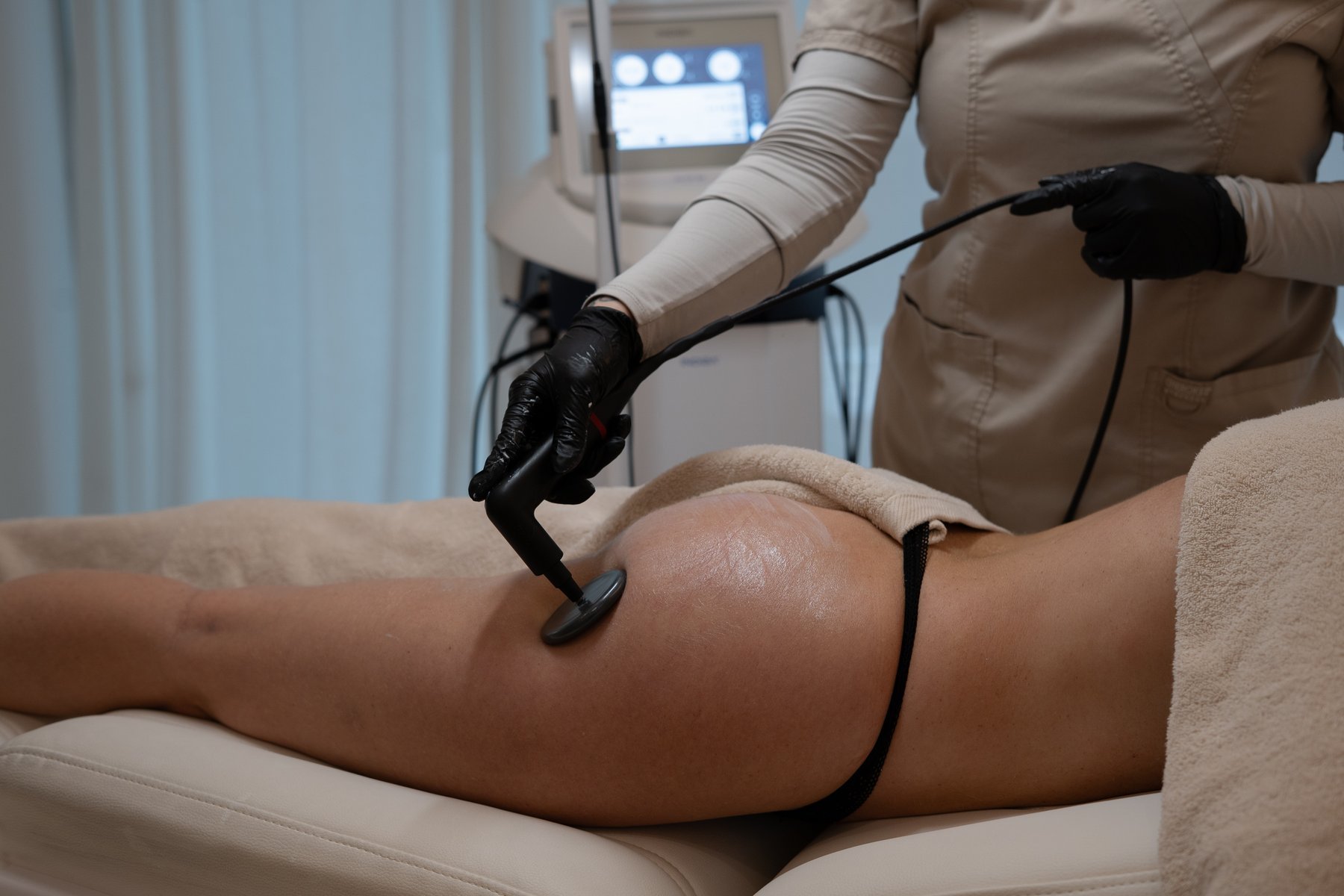
INDIBA® Body Radiofrequency
INDIBA® Body Radiofrequency
Stimulates deep cellular regeneration, firms the skin, improves elasticity, reduces cellulite and promotes natural body ...
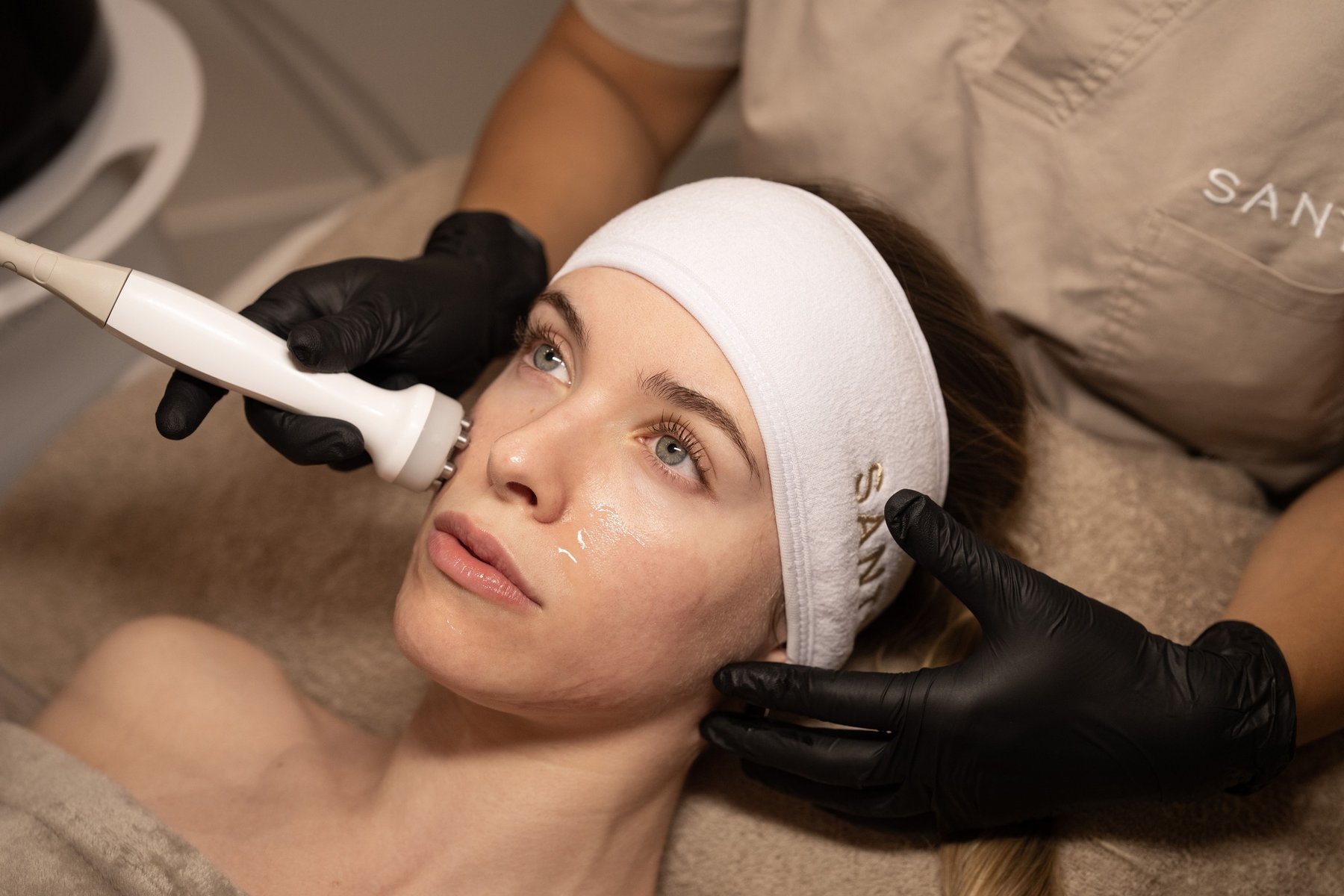
Advanced Skin Cleansing
Advanced Skin Cleansing
Deeply cleanses, hydrates, and revitalizes the skin with our comprehensive medical protocol integrating SkinCeuticals pr...
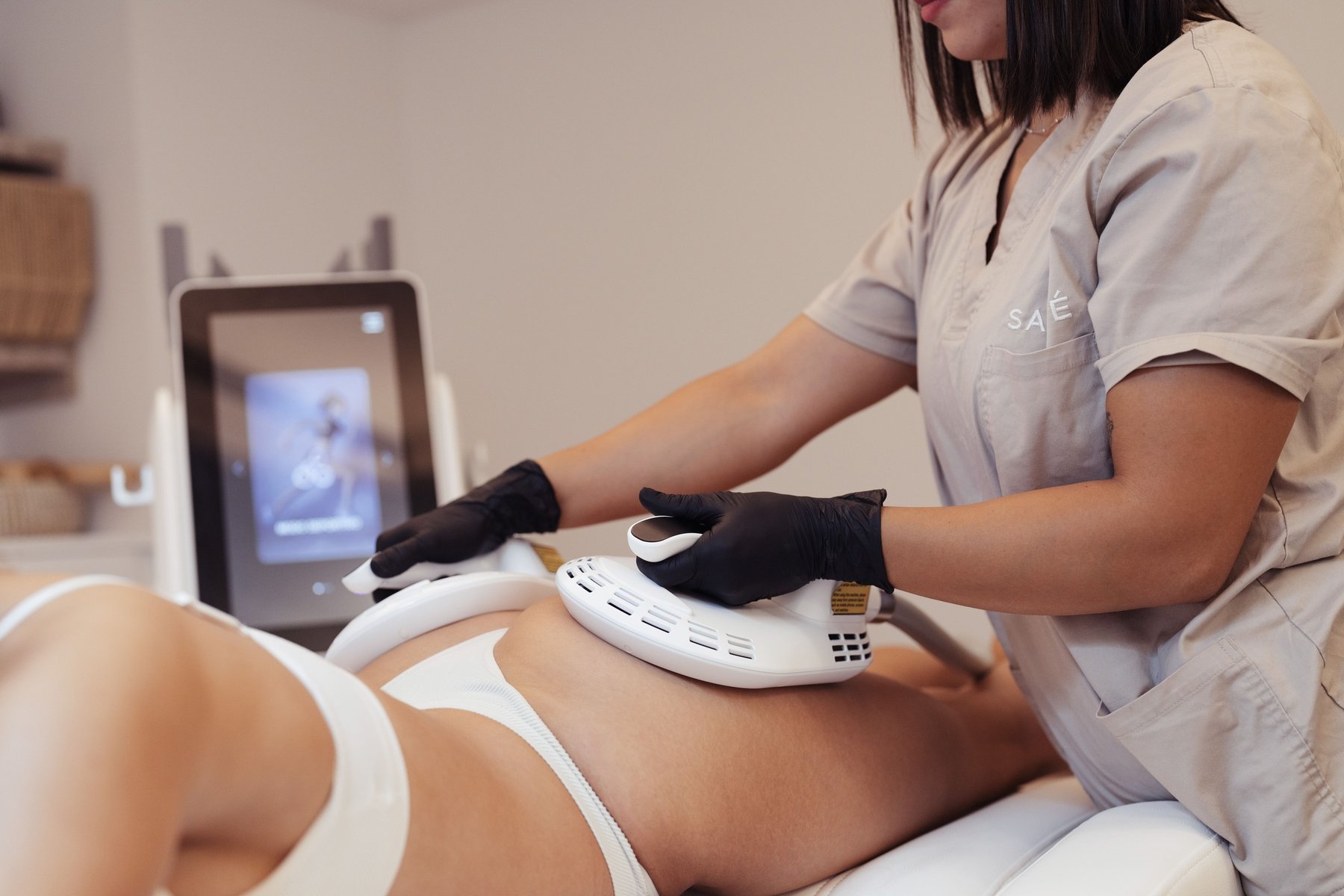
Exercise with Sculptor Machine
Exercise with Sculptor Machine
Stimulates intense muscle contractions to tone muscles, reduce localized fat, and define body contours effectively.
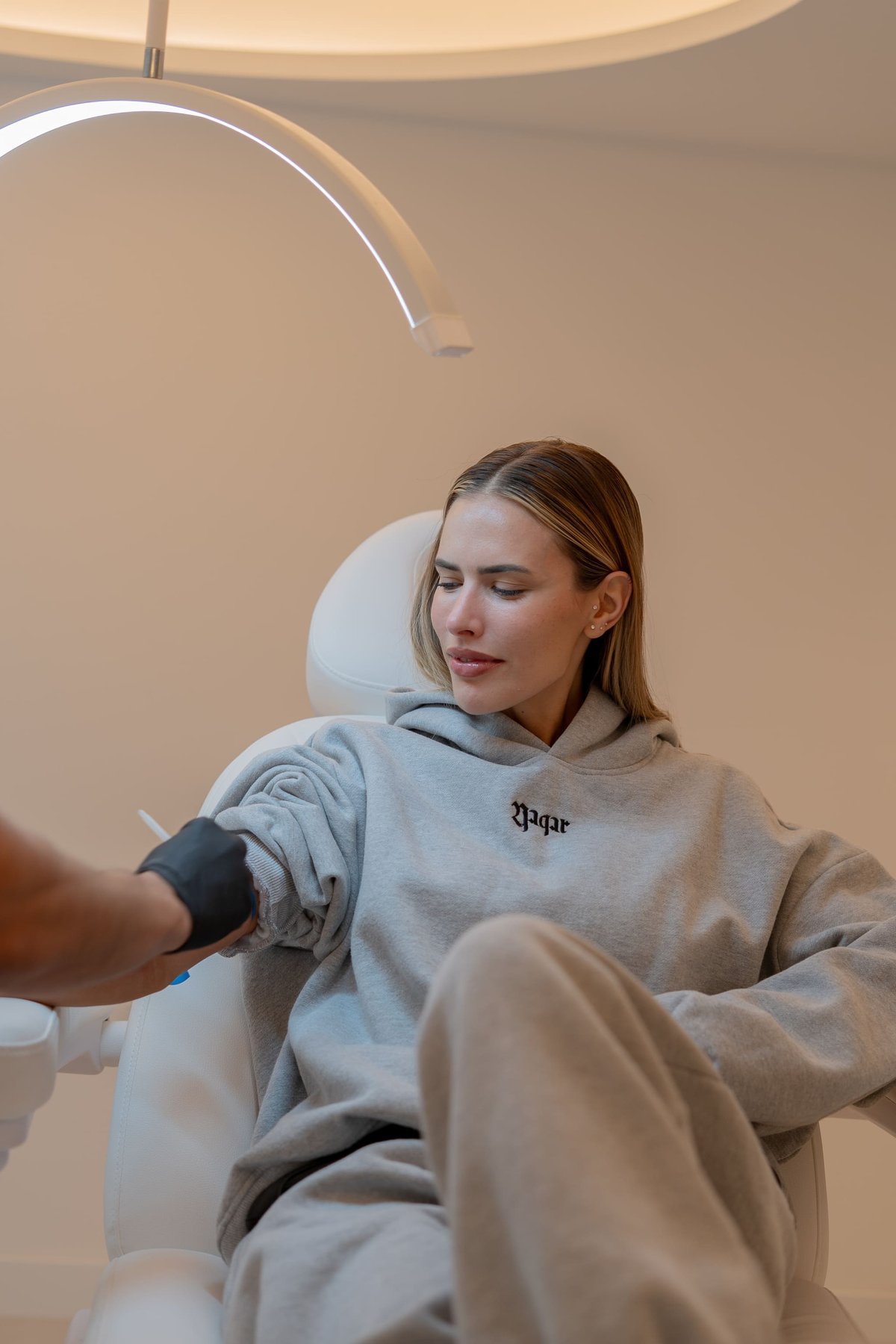
IV Vitamin Therapy
IV Vitamin Therapy
Delivers essential nutrients directly into the bloodstream, boosting energy, immunity, and recovery.
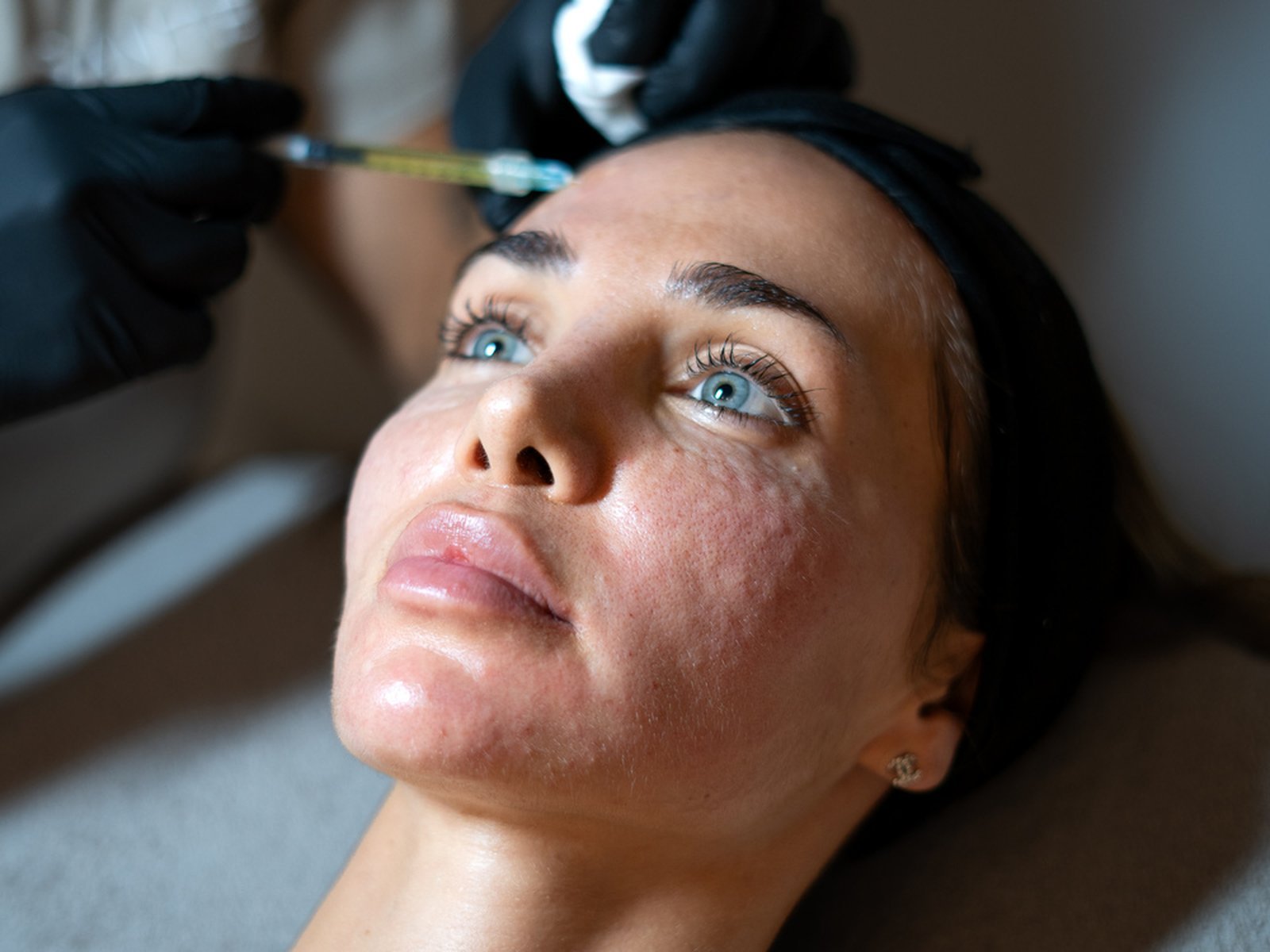
PRP (Platelet-Rich Plasma)
PRP (Platelet-Rich Plasma)
Stimulates collagen and elastin production, regenerates tissue, and improves skin texture, firmness, and radiance.
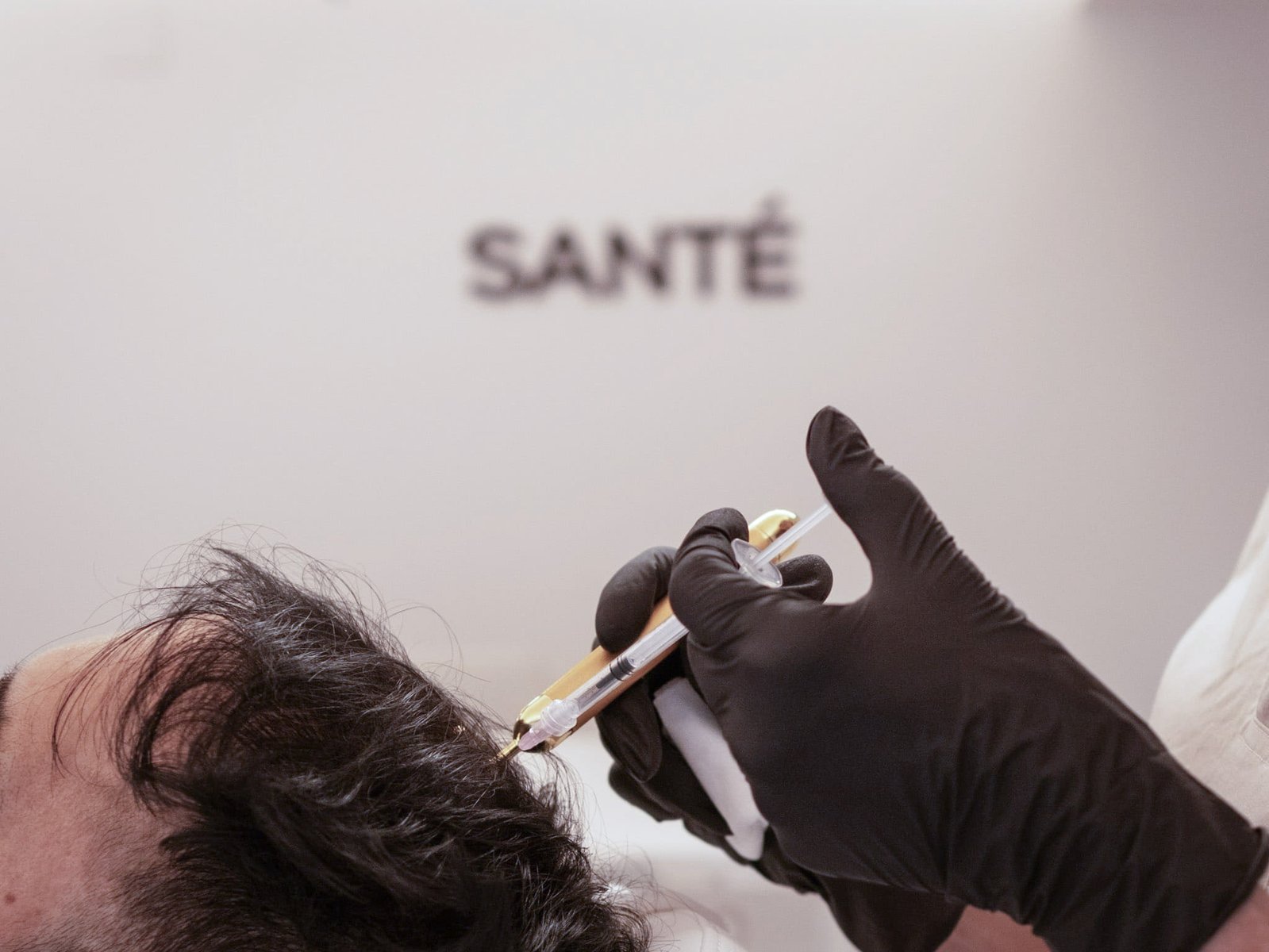
PRP Hair Treatment
PRP Hair Treatment
Stimulates hair regrowth, strengthens follicles, and enhances hair density using platelet-rich plasma derived from your ...
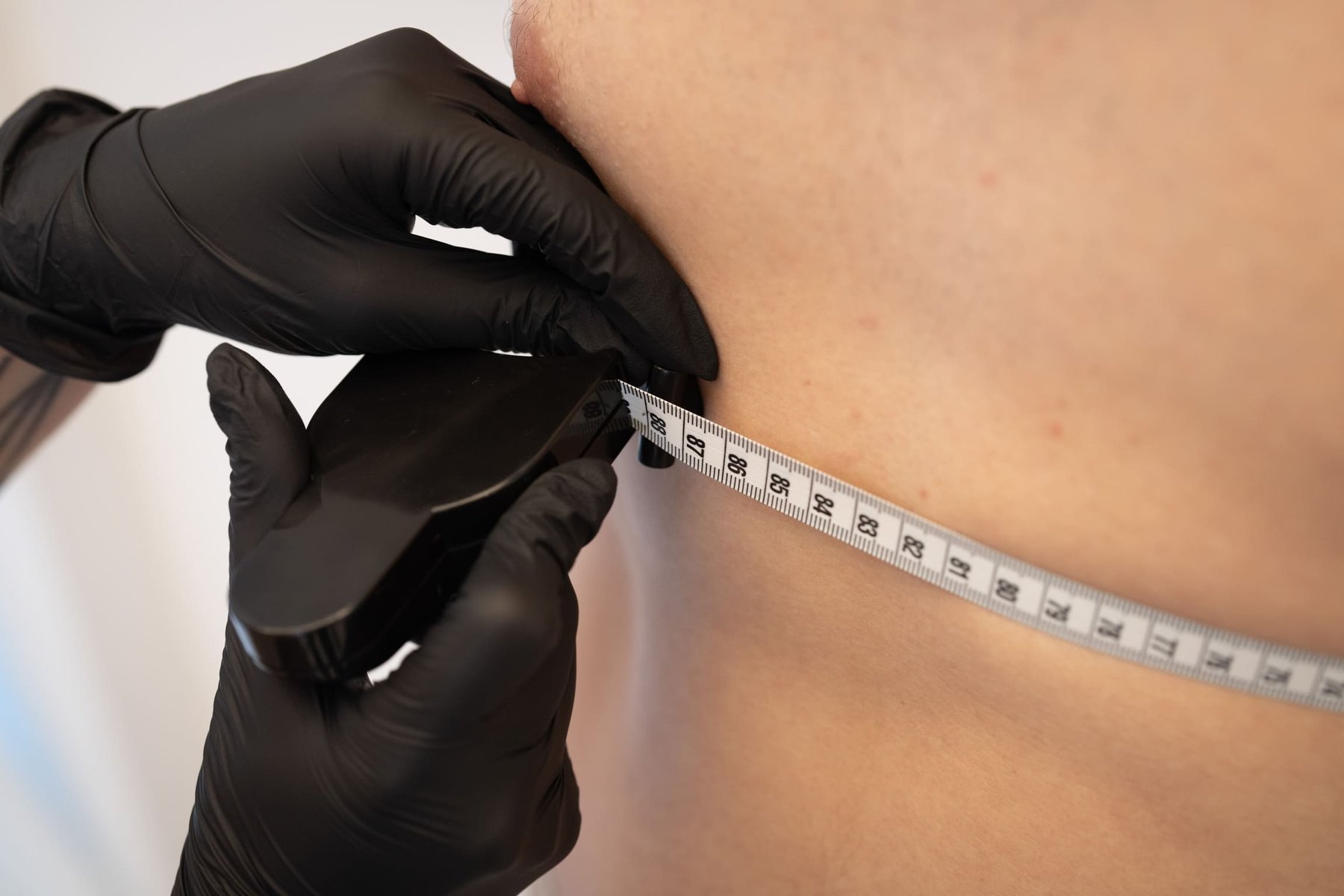
Medical weight loss
Medical weight loss
With a medical assessment, a personalized plan and regular follow-ups, the medical weight loss program helps patients ac...
Skin Revive
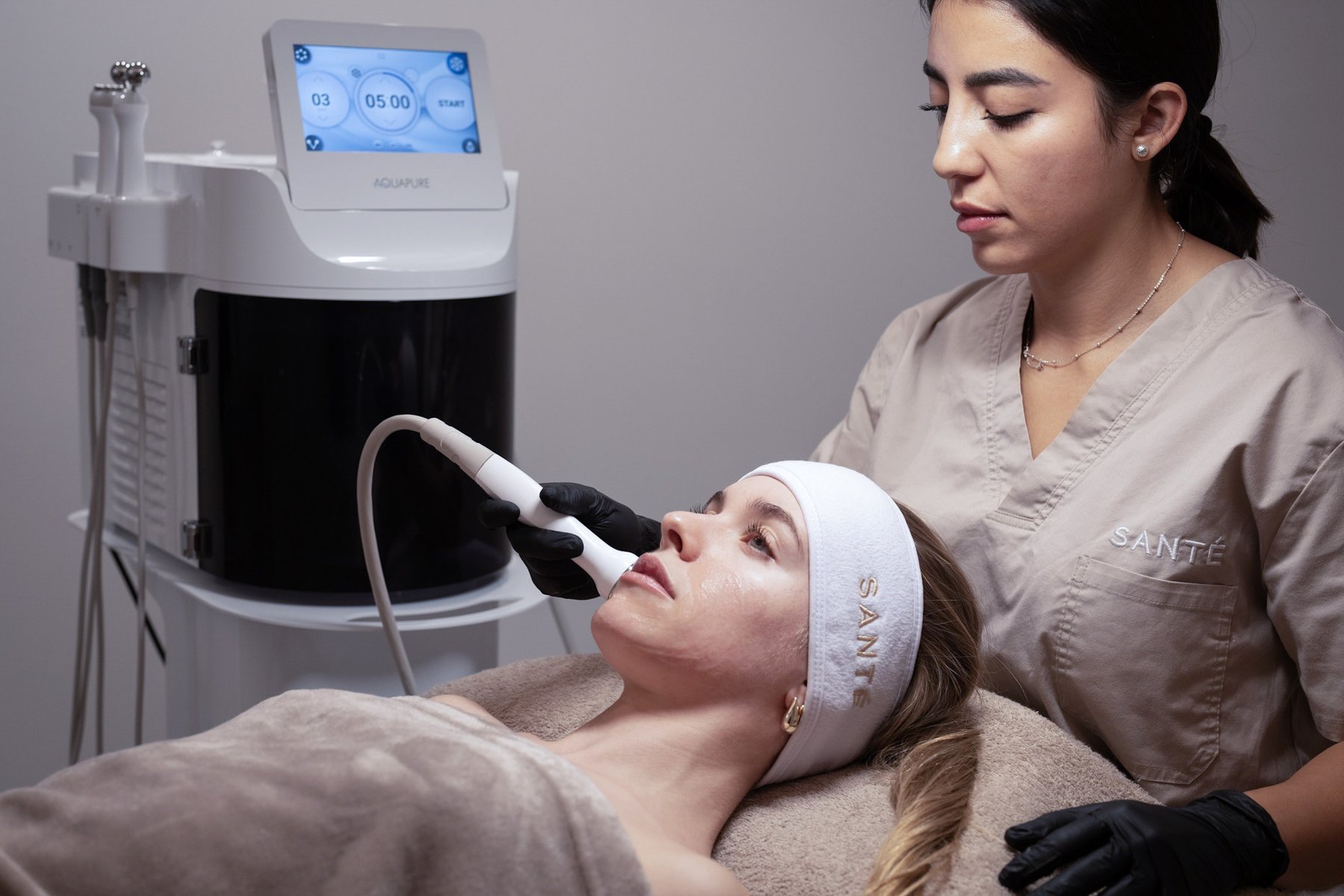
Skin Revive
Cleanses, hydrates, and stimulates collagen production, leaving your skin refreshed and glowing.
Skin Glow
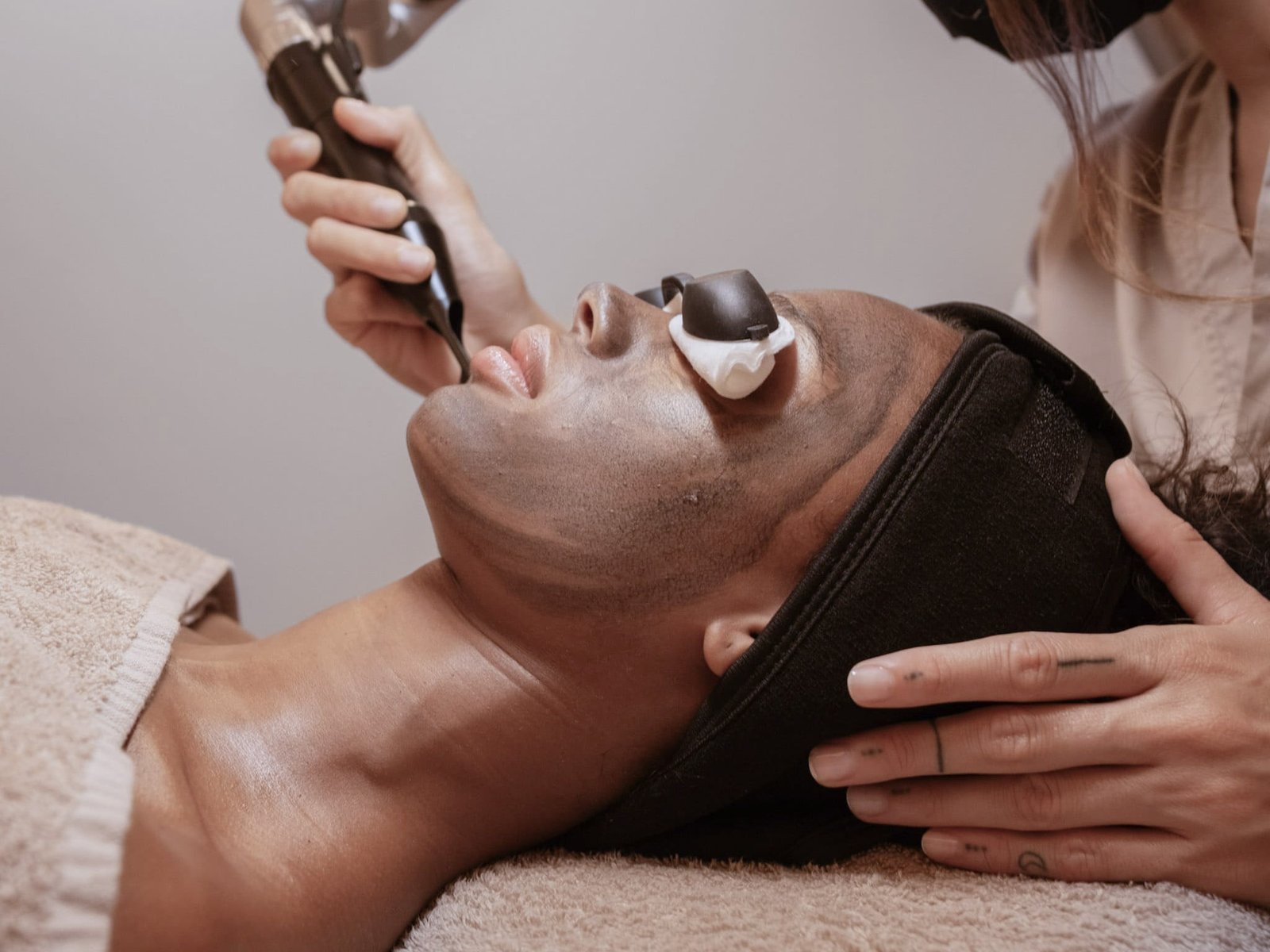
Skin Glow
Cleanses, exfoliates, and brightens the skin, leaving it rejuvenated and radiant.
Hyaluronidase Treatment
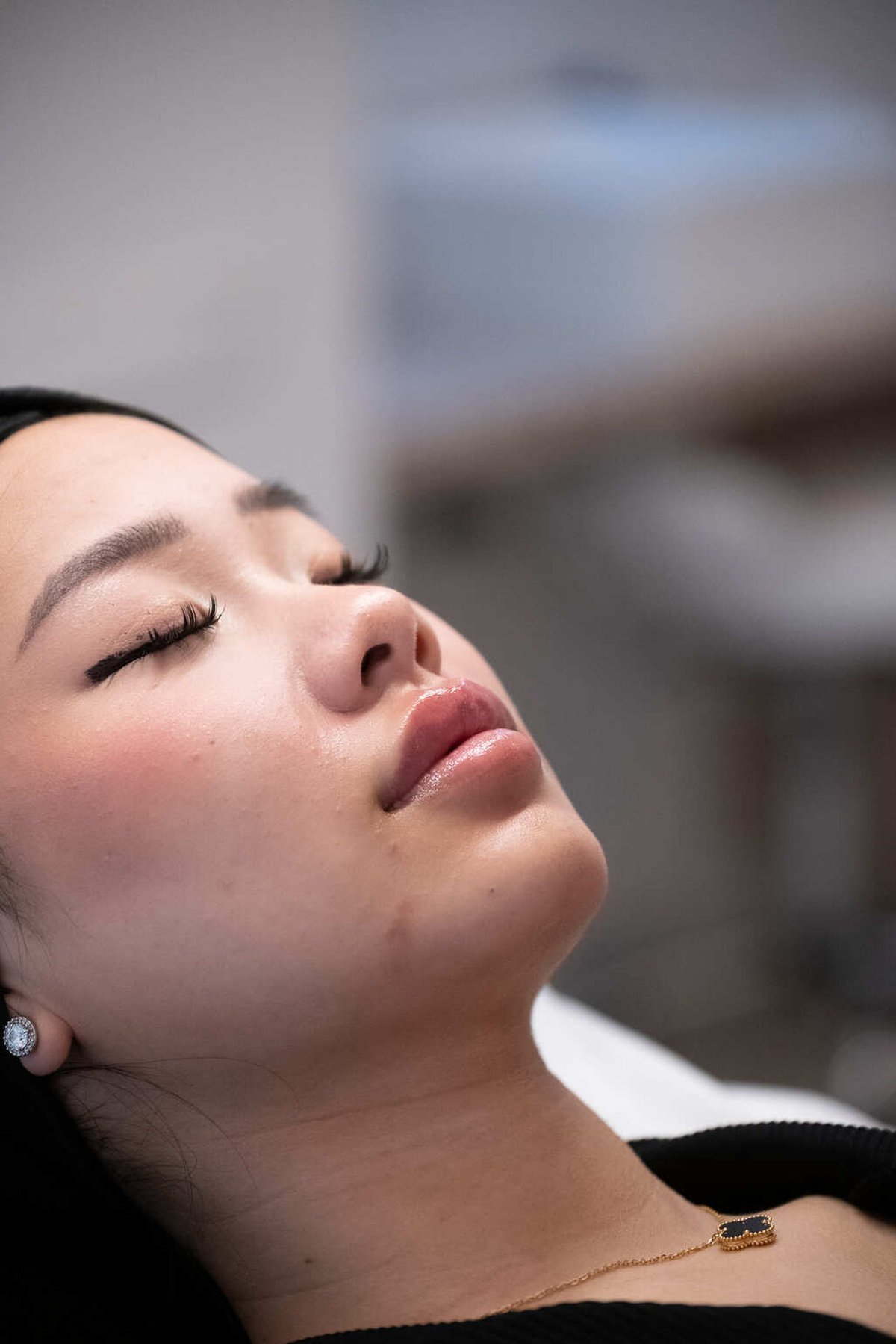
Hyaluronidase Treatment
Reverts unwanted or misplaced hyaluronic acid fillers.

Sculptra
Sculptra
Stimulates collagen production, restores facial volume, and improves skin firmness and elasticity gradually and naturall...
Radiesse
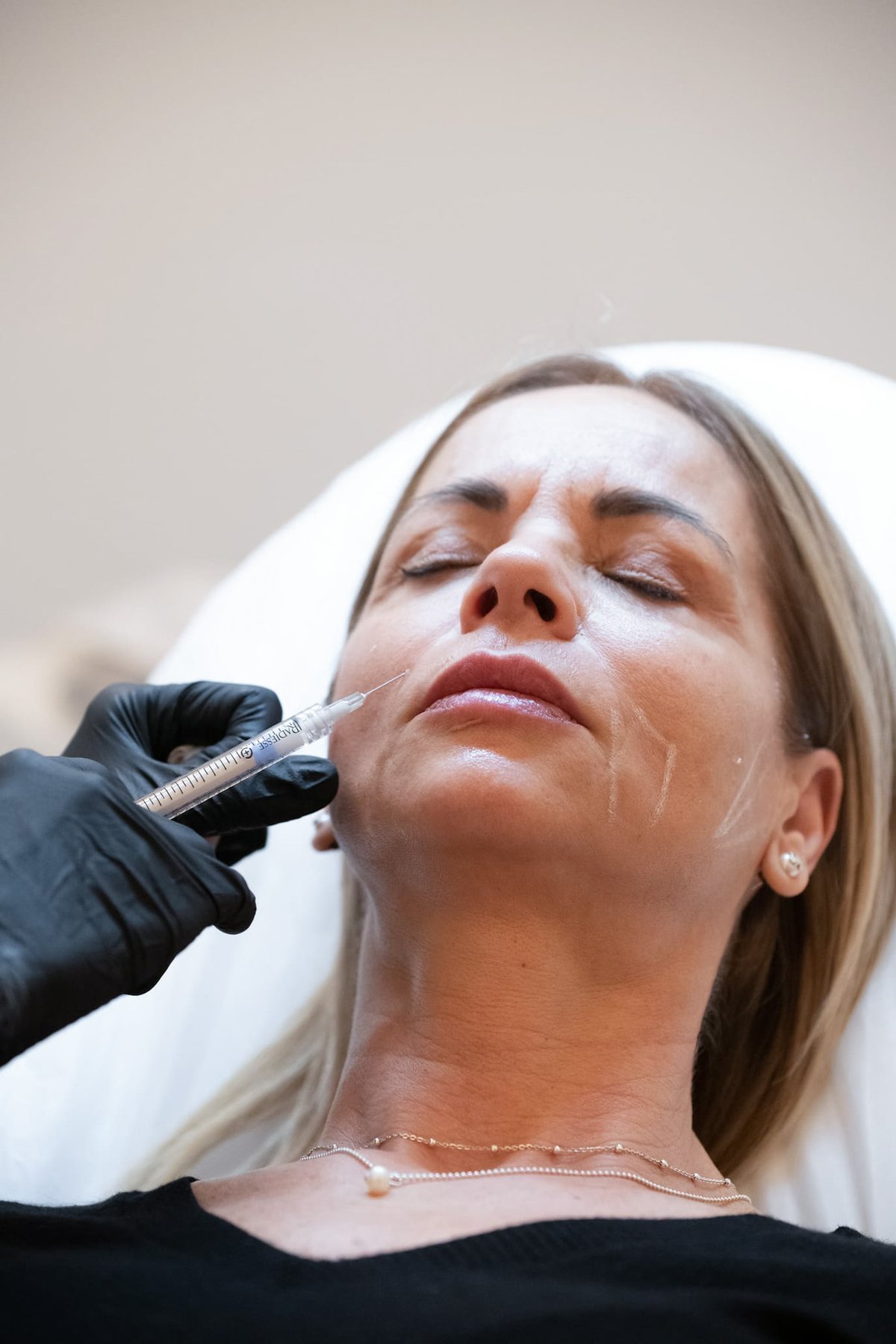
Radiesse
Restores facial volume, smooths deep wrinkles, and stimulates collagen production for a youthful, natural appearance.
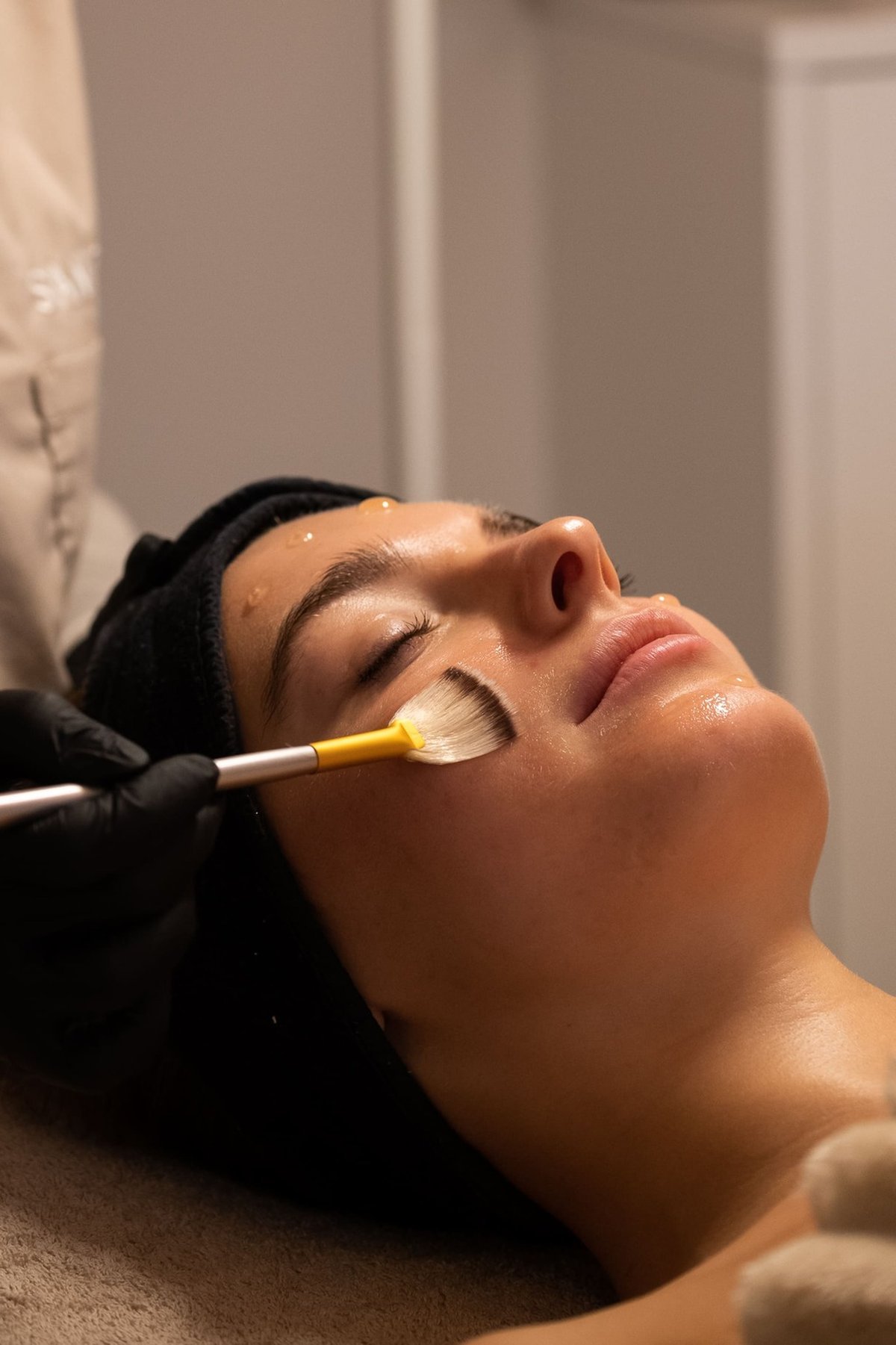
Photo-Biodynamic Peeling
Photo-Biodynamic Peeling
Renews the skin with our comprehensive medical protocol integrating SkinCeuticals products, reduces imperfections, impro...
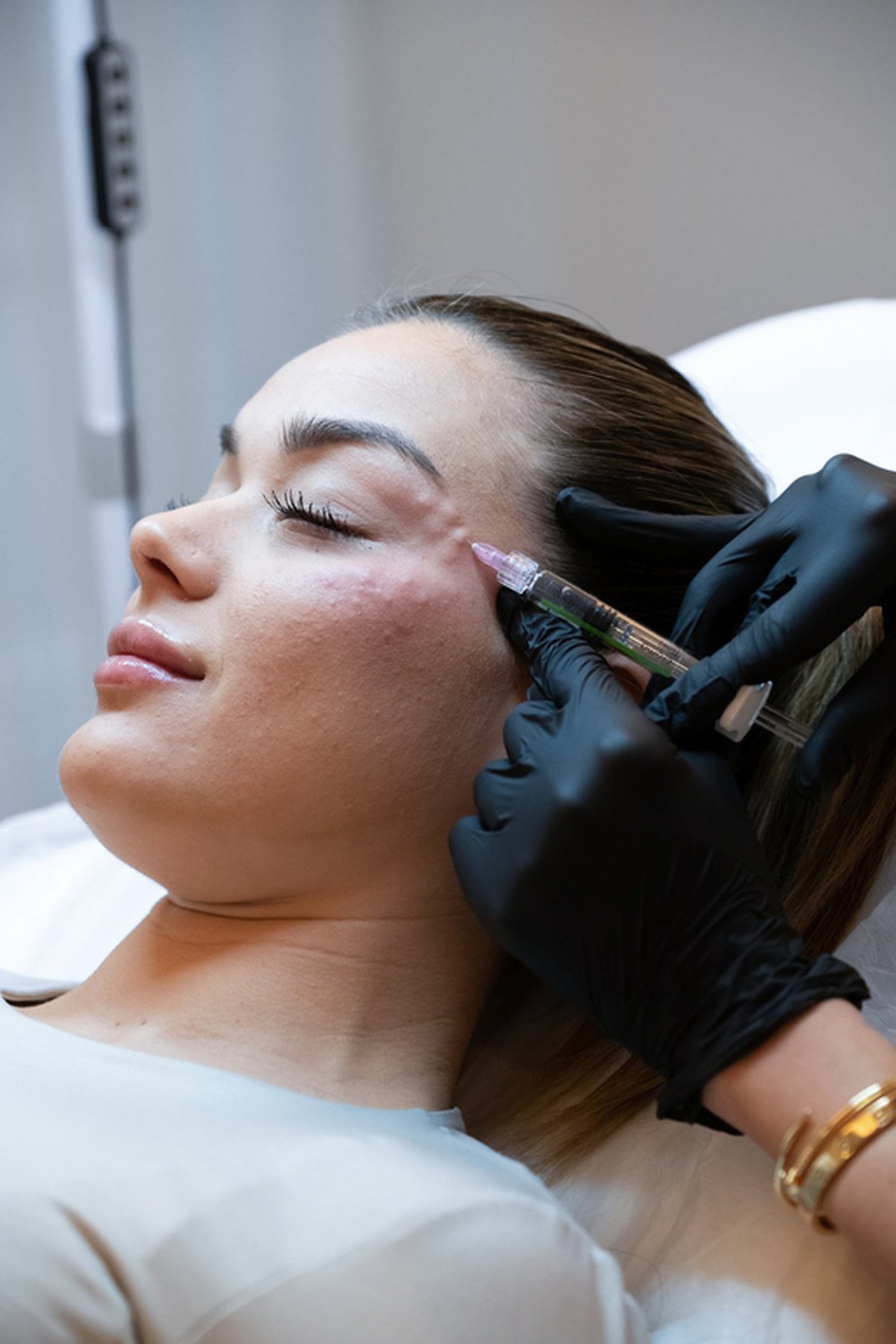
Polynucleotides for Dark Circles (Rejuran)
Polynucleotides for Dark Circles (Rejuran)
With Rejuran, hydrates, regenerates, and firms the skin around the eyes, reducing dark circles, puffiness, and fine line...
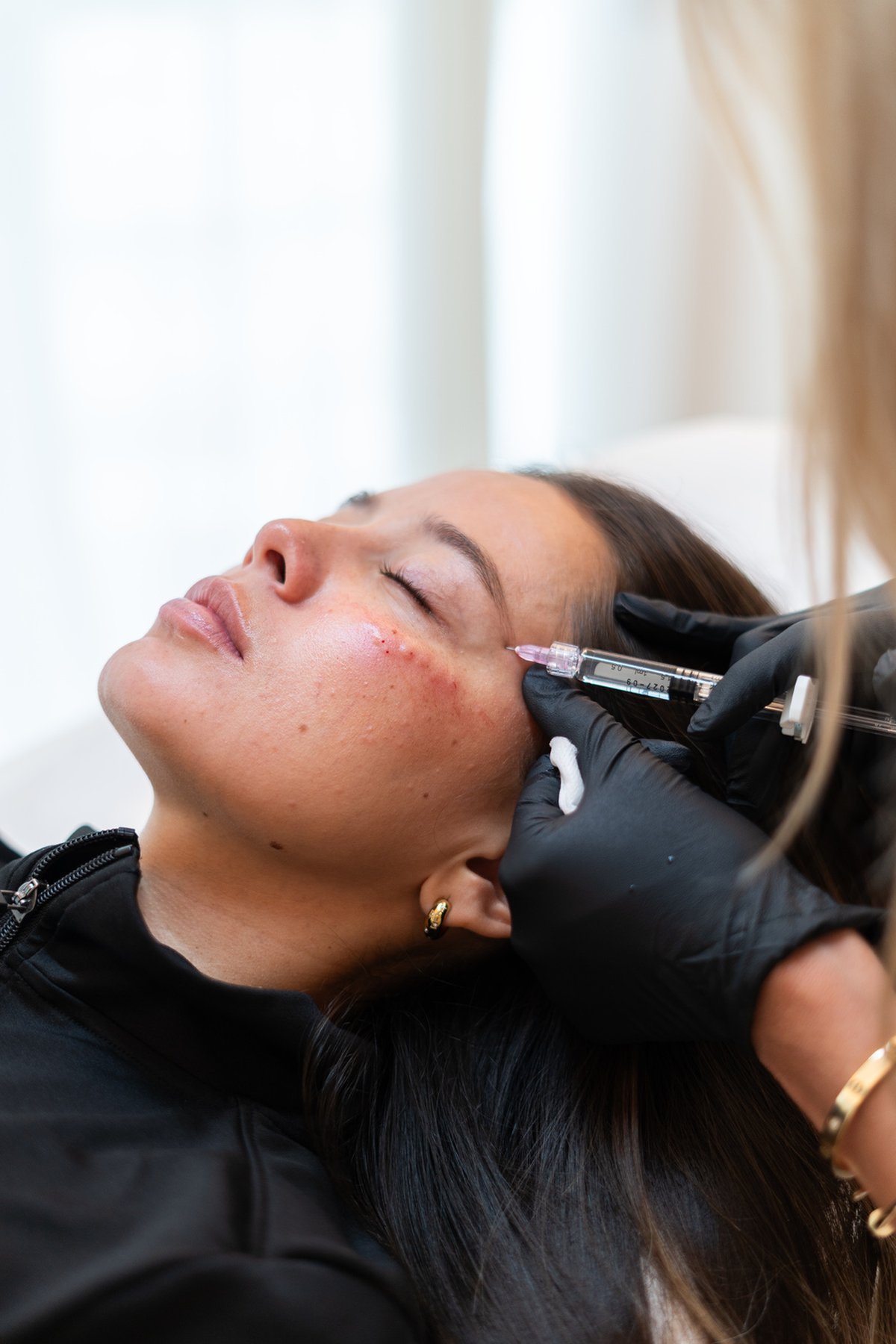
Polynucleotides Facial (Rejuran)
Polynucleotides Facial (Rejuran)
With Rejuran, deeply hydrates the skin, rejuvenates the face, improves firmness and elasticity, reduces fine wrinkles an...
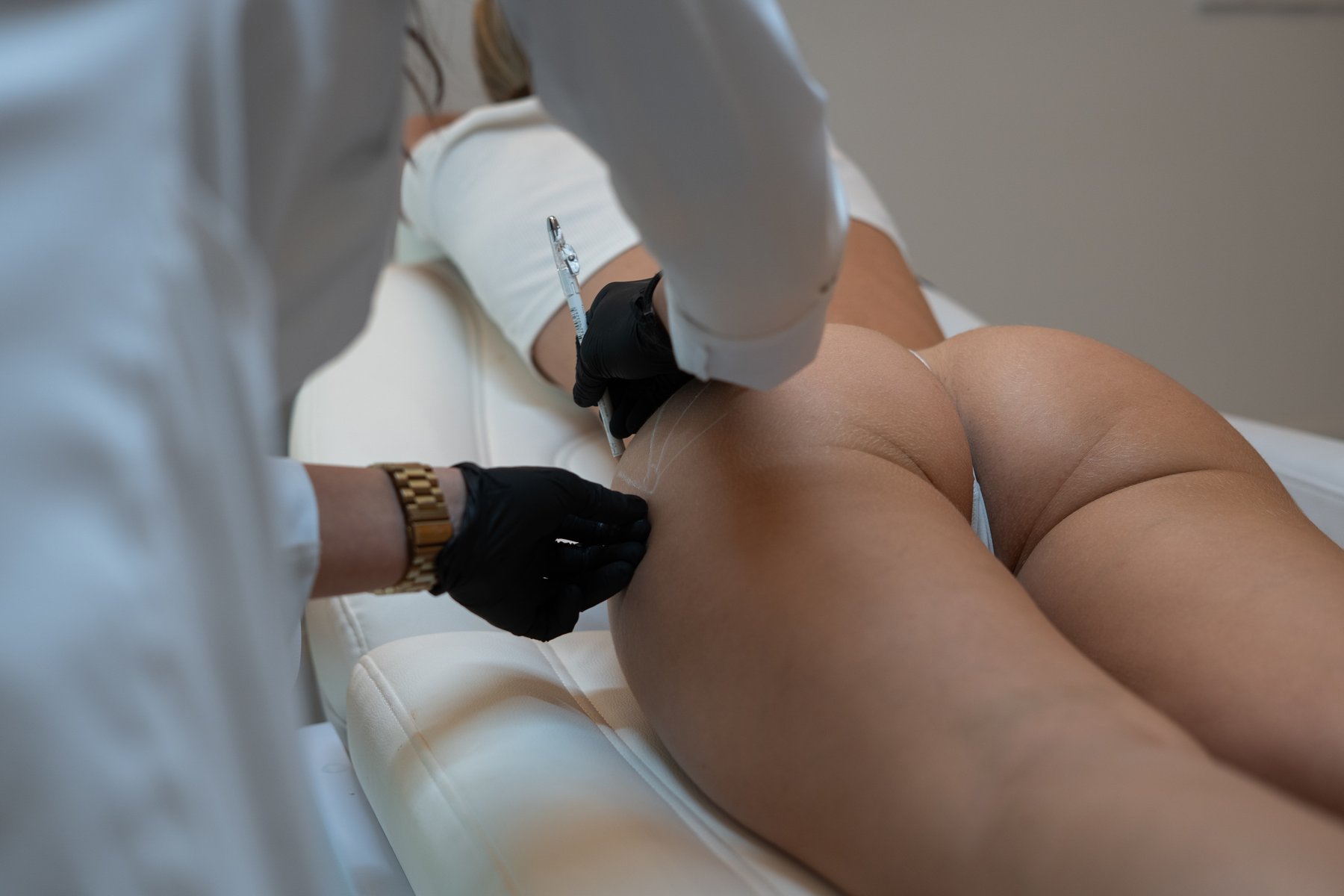
Gluteal Augmentation with Hyaluronic Acid
Gluteal Augmentation with Hyaluronic Acid
Non-surgical gluteal volume and projection using high-density hyaluronic acid—immediate effect and quick recovery.
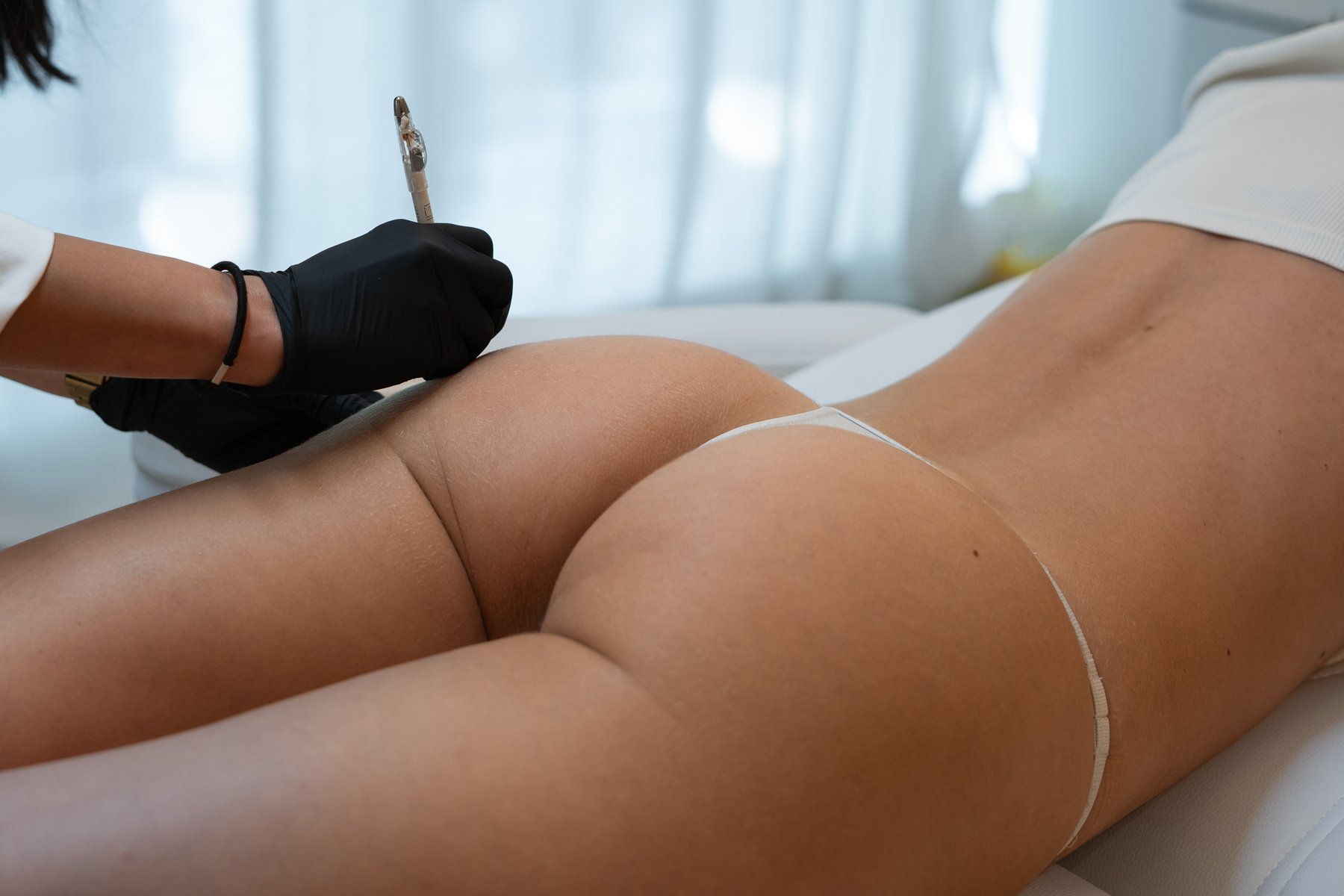
Sculptra for Glutes
Sculptra for Glutes
Bio-stimulates collagen in the glutes for progressive firmness and volume without surgery.
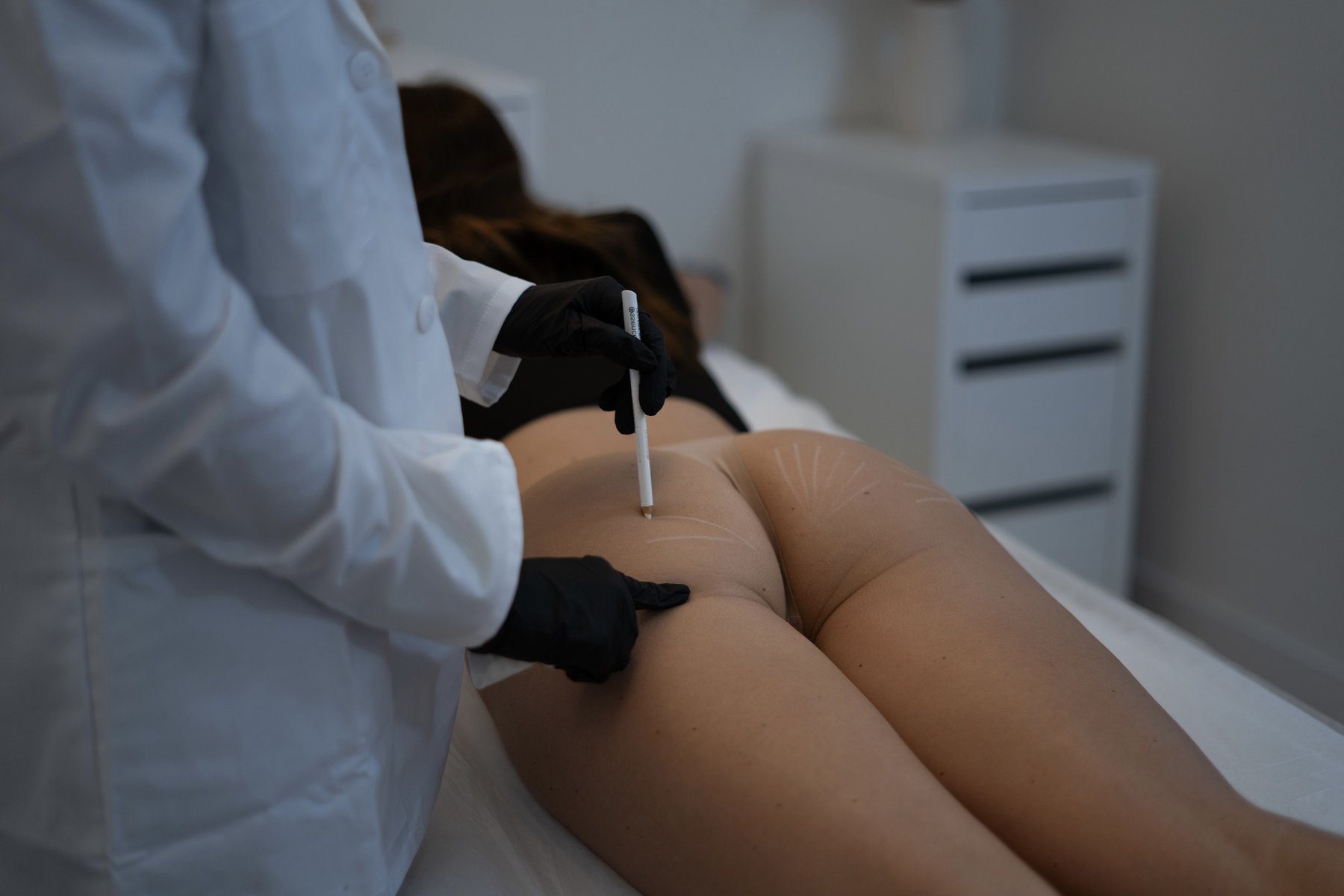
Lanluma for Glutes
Lanluma for Glutes
Bio-stimulates collagen in the glutes for more volume, firmness and contour, without surgery and with natural, progressi...
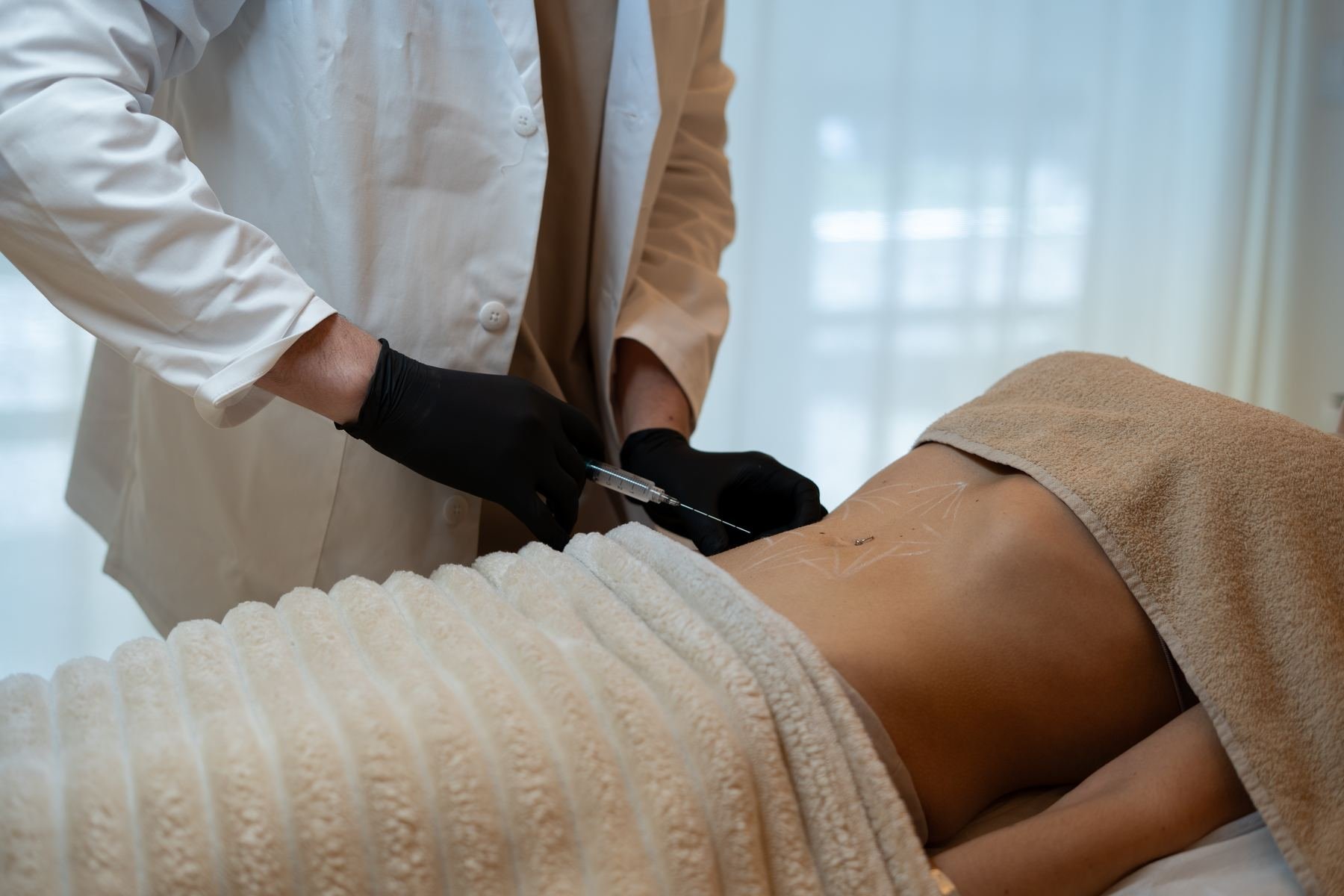
Sculptra on the Abdomen
Sculptra on the Abdomen
Firms the abdomen by stimulating your own collagen with Sculptra: more firmness and better skin quality, progressively a...
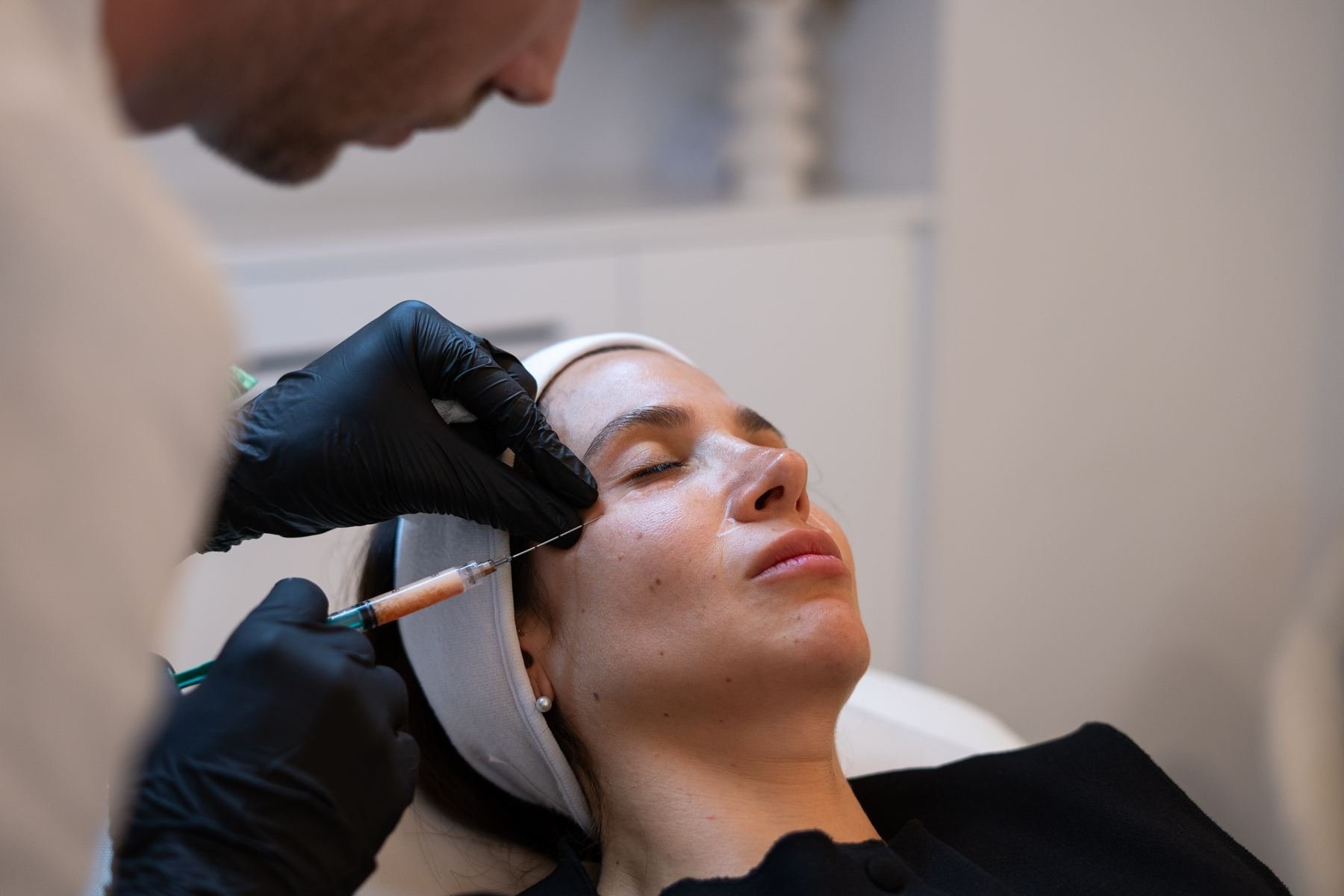
Plasma Gel Filler (EZ Gel / PRF Biofiller)
Plasma Gel Filler (EZ Gel / PRF Biofiller)
Rejuvenates the face with your own plasma (EZ Gel / PRF Biofiller): natural regeneration and collagen in the under-eye a...
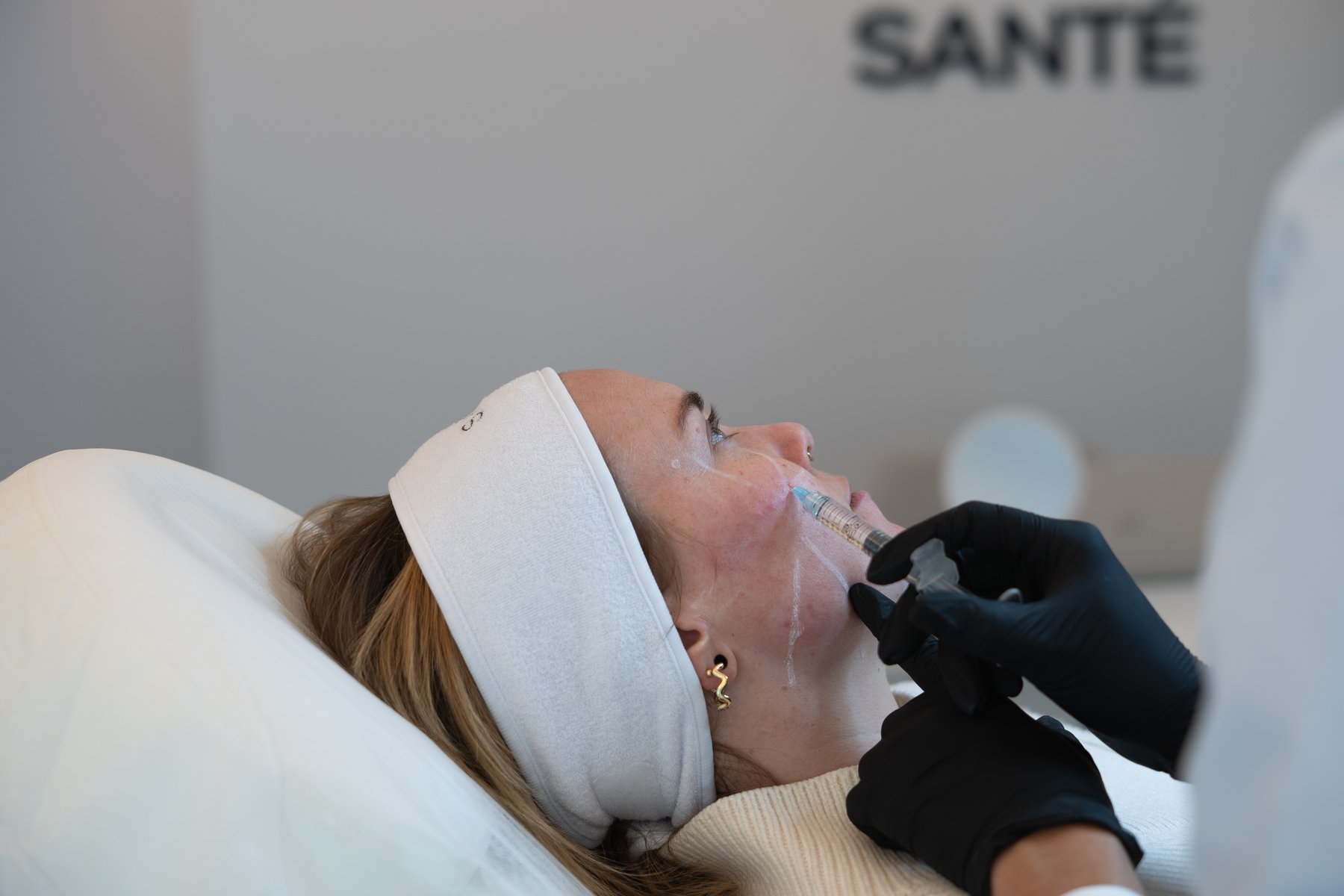
Baby Glow
Baby Glow
Hydrates and revitalizes with non-crosslinked HA and nutrients for radiance and texture—no volume.
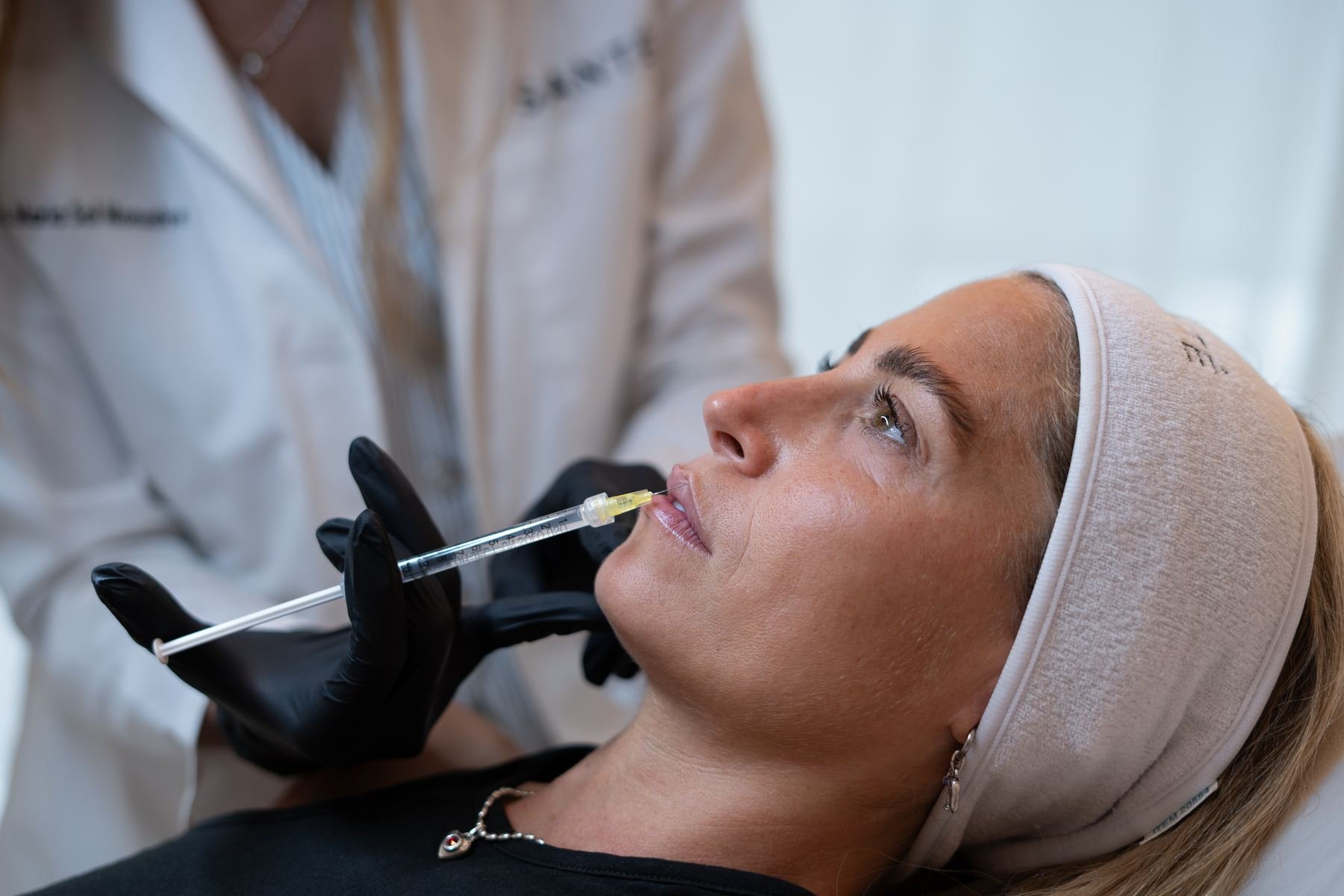
Lip Flip with Neuromodulators
Lip Flip with Neuromodulators
Gently relaxes the upper-lip muscle with neuromodulators to show more lip and improve its definition, without adding vol...
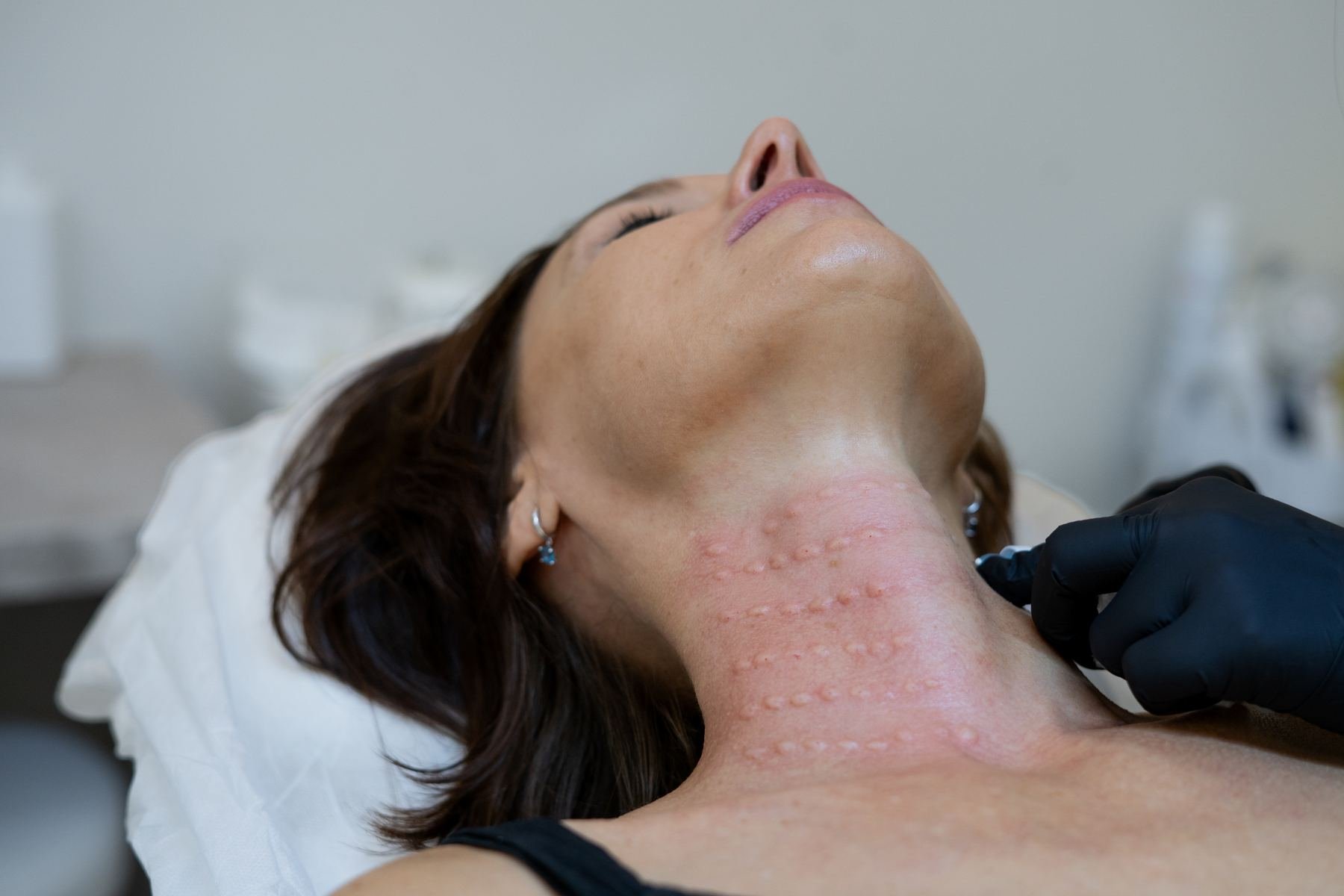
Neck Polynucleotides (Rejuran)
Neck Polynucleotides (Rejuran)
Rejuvenates and regenerates the neck skin, stimulating collagen and elastin to improve firmness, hydration, and elastici...
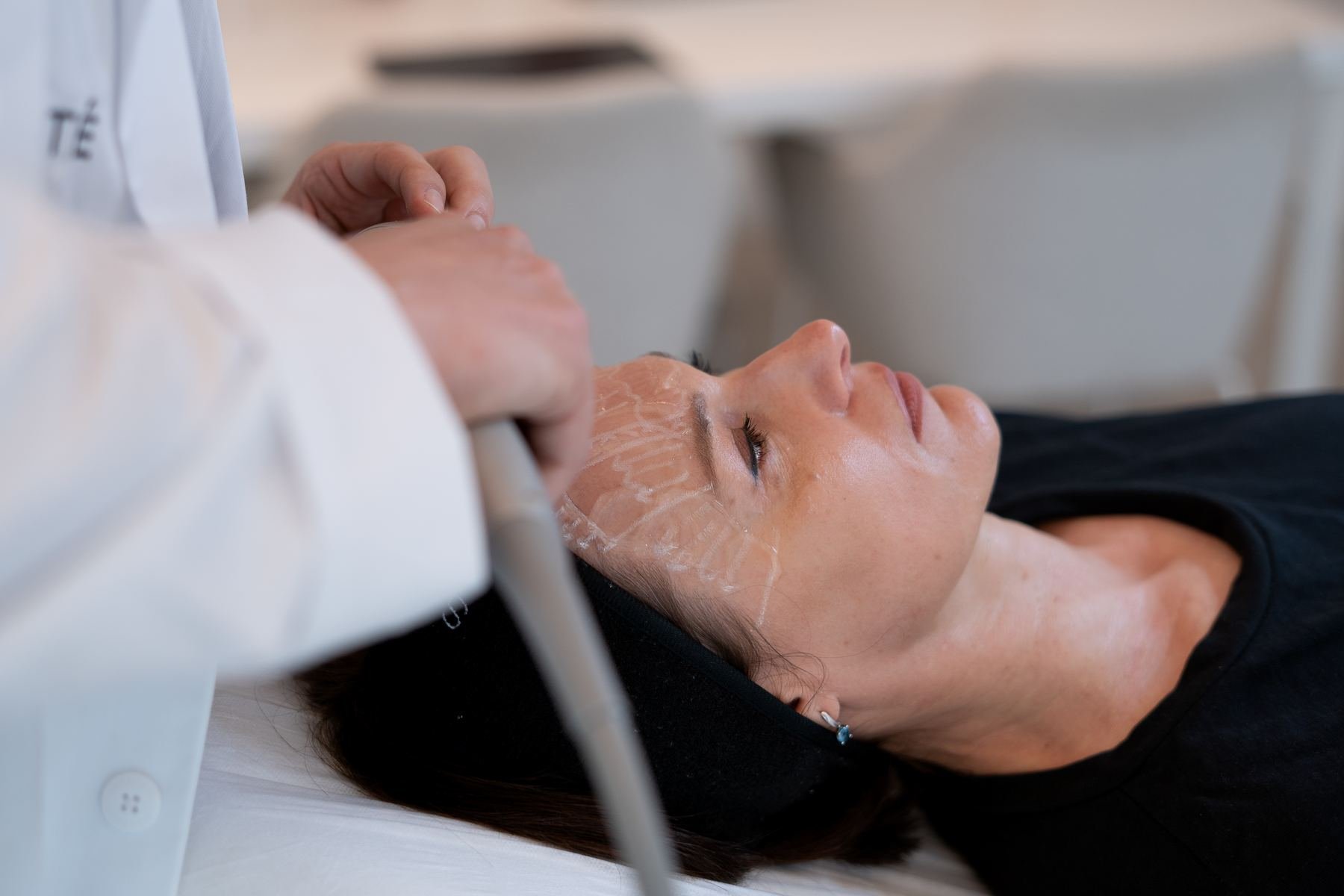
Ponytail Effect (Ultraformer MPT)
Ponytail Effect (Ultraformer MPT)
Tightens the skin and improves facial firmness with HIFU technology, stimulating collagen and elastin for a natural lift...
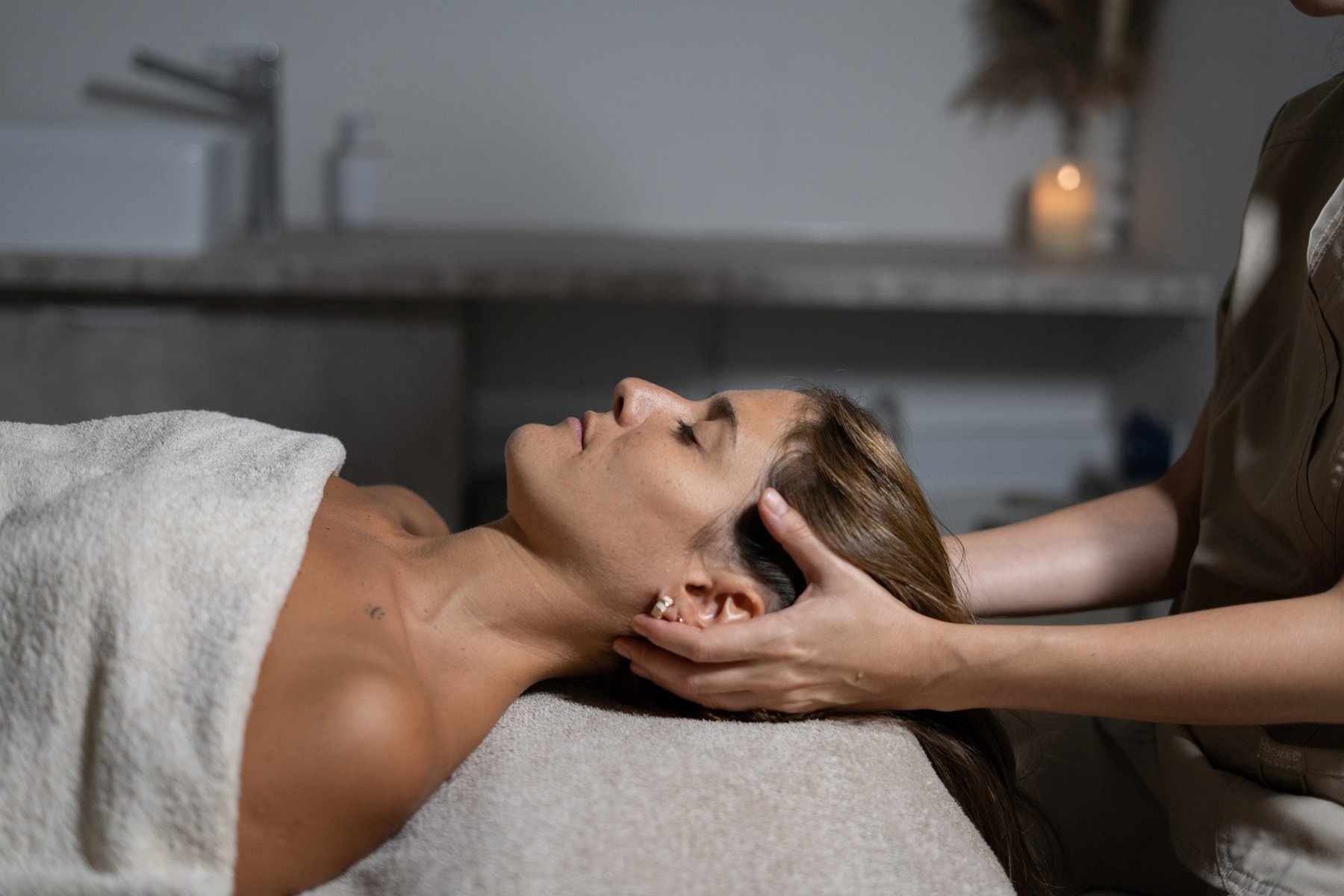
Facial Drainage
Facial Drainage
Reduces facial swelling, improves lymphatic circulation, and revitalizes facial appearance.

Kobido
Kobido
Rejuvenates and tones facial muscles, reduces wrinkles, and naturally improves skin luminosity.
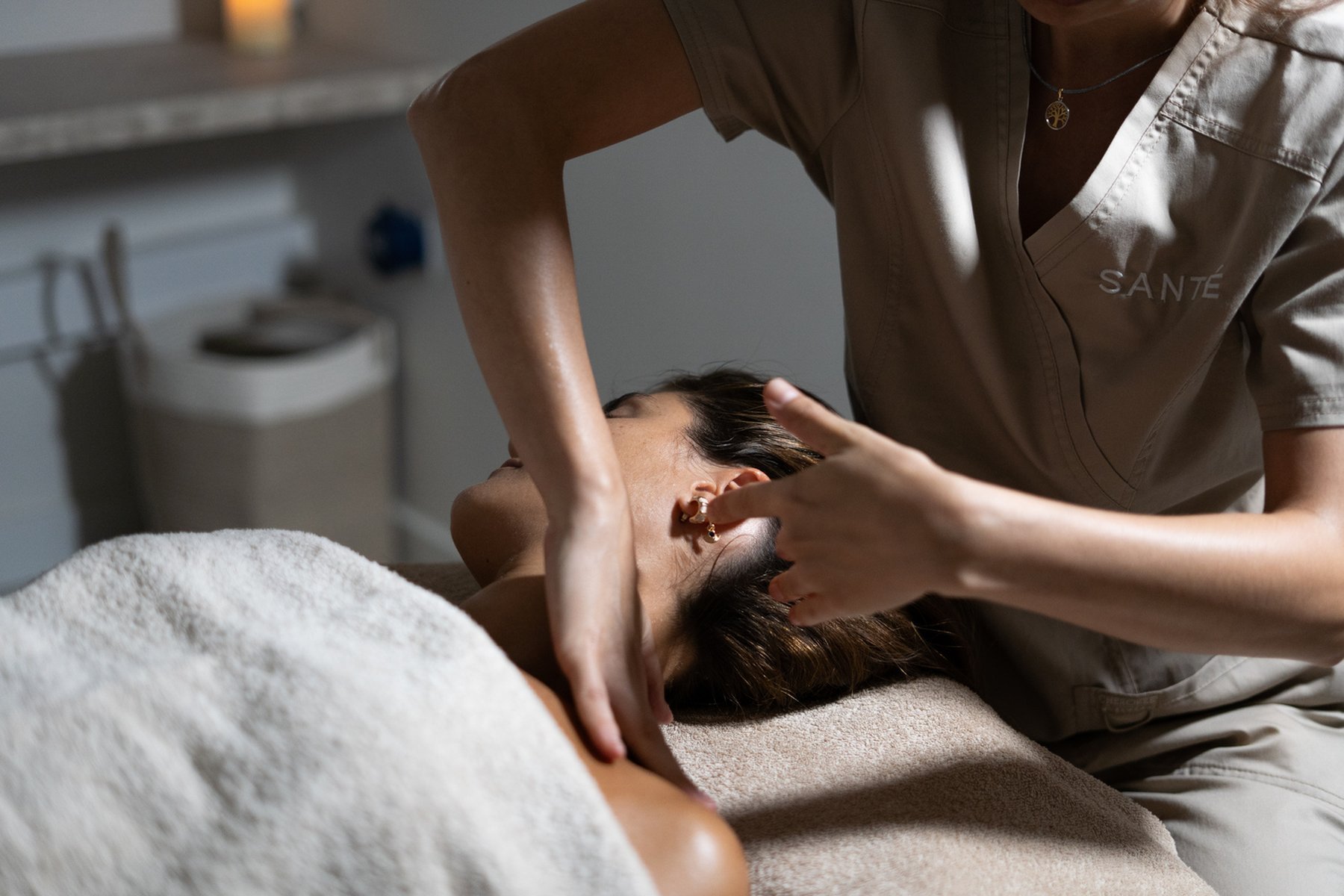
Craniofacial Massage with Aromatherapy
Craniofacial Massage with Aromatherapy
Relieves cranial and facial tension, reduces stress, and promotes a deep state of relaxation and well-being.
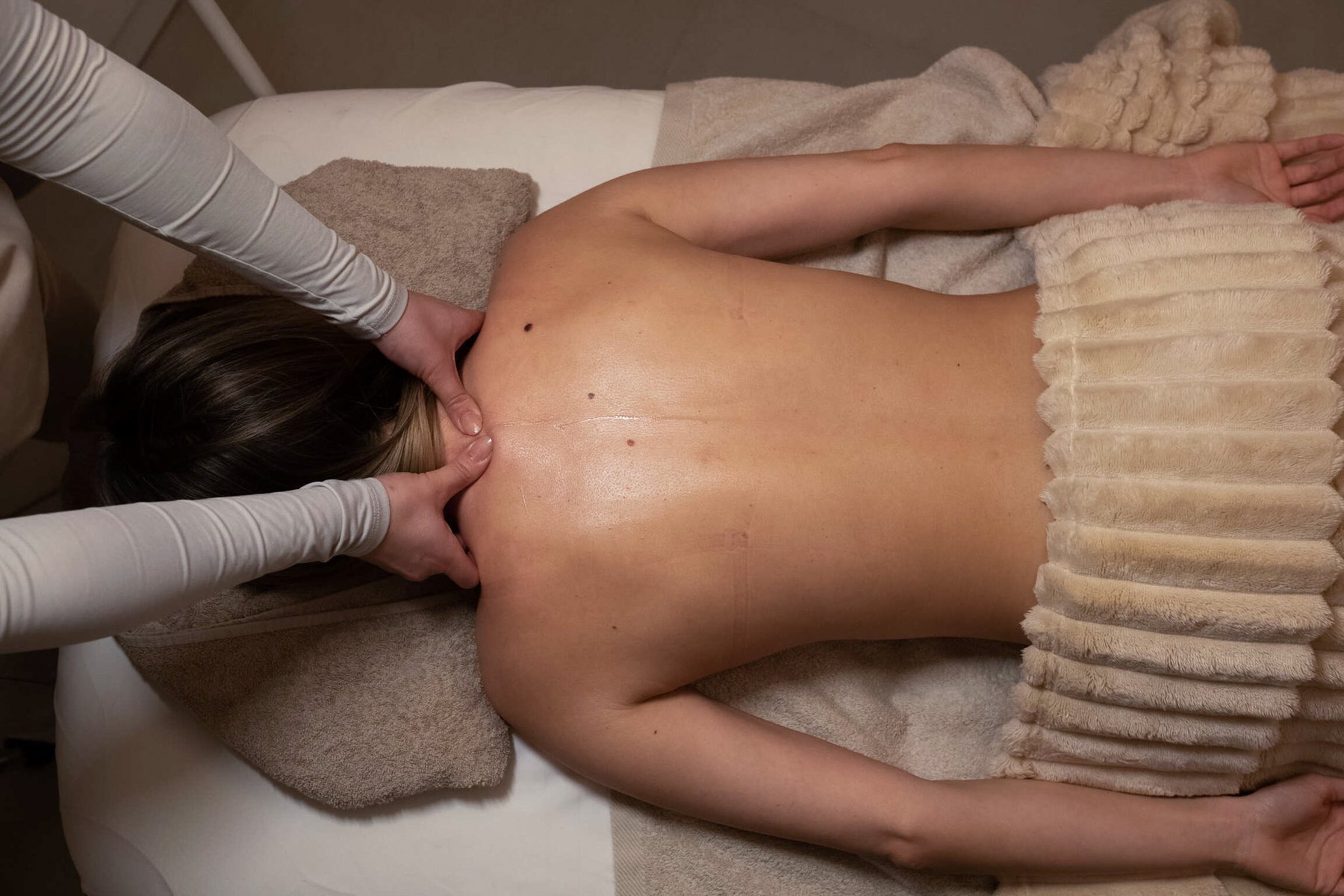
Ayurvedic Body Massage
Ayurvedic Body Massage
Balances vital energies, reduces stress, and promotes harmony between body, mind, and spirit.
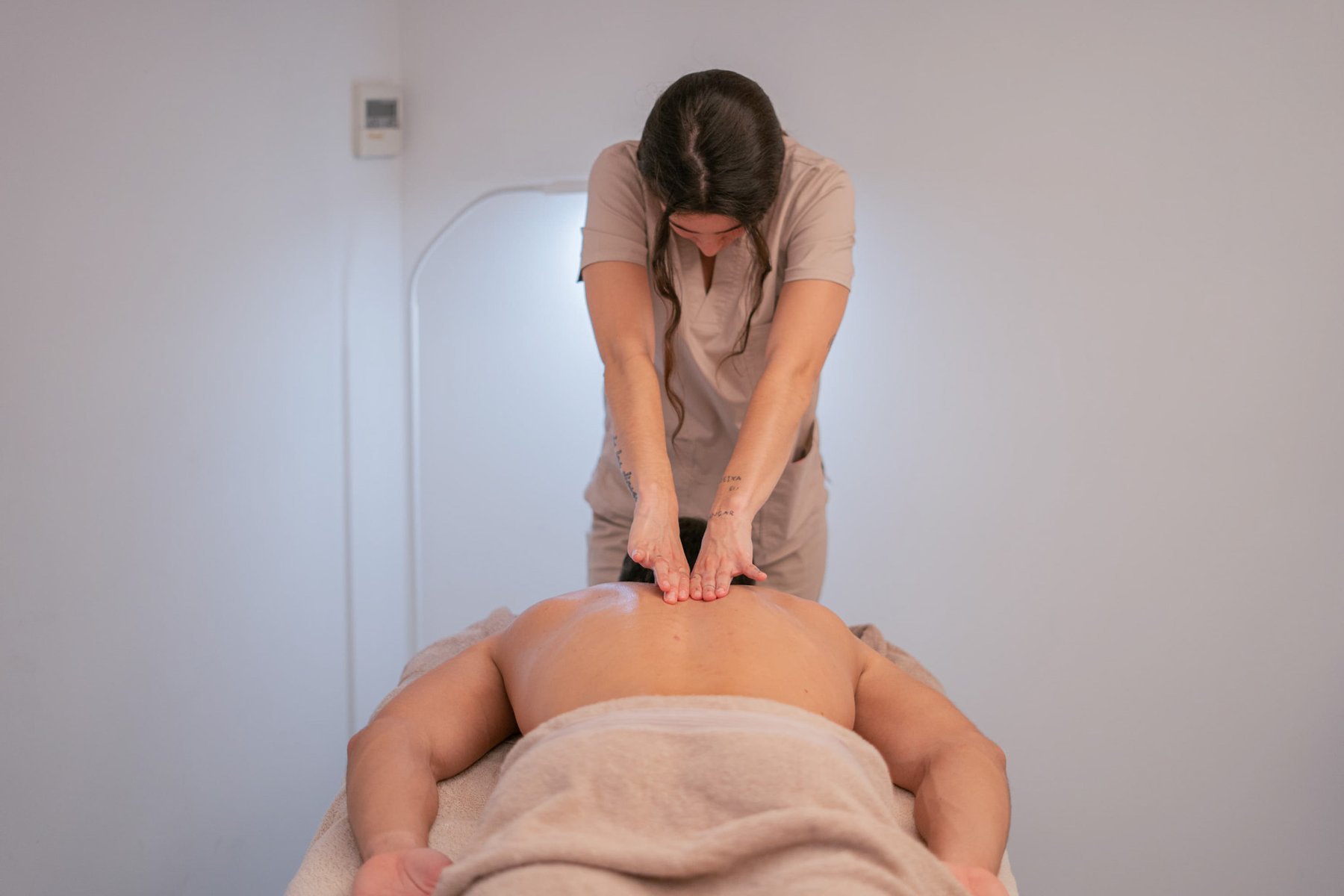
Deep Tissue Massage
Deep Tissue Massage
Relieves deep muscle tension, reduces chronic pain, and improves body mobility and flexibility.
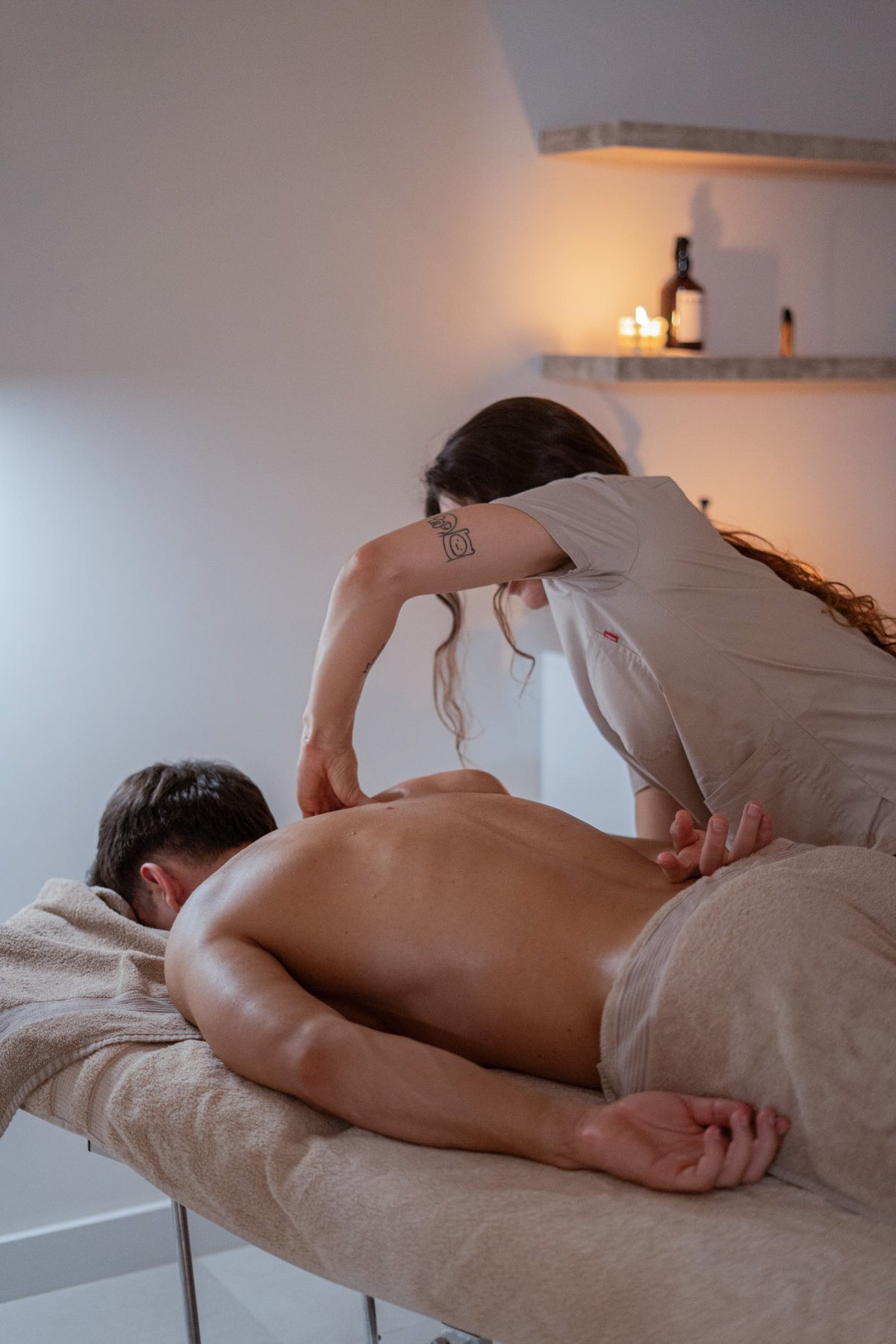
Relaxing Massage
Relaxing Massage
Reduces stress, relieves superficial muscle tension, and promotes a deep state of relaxation and well-being.
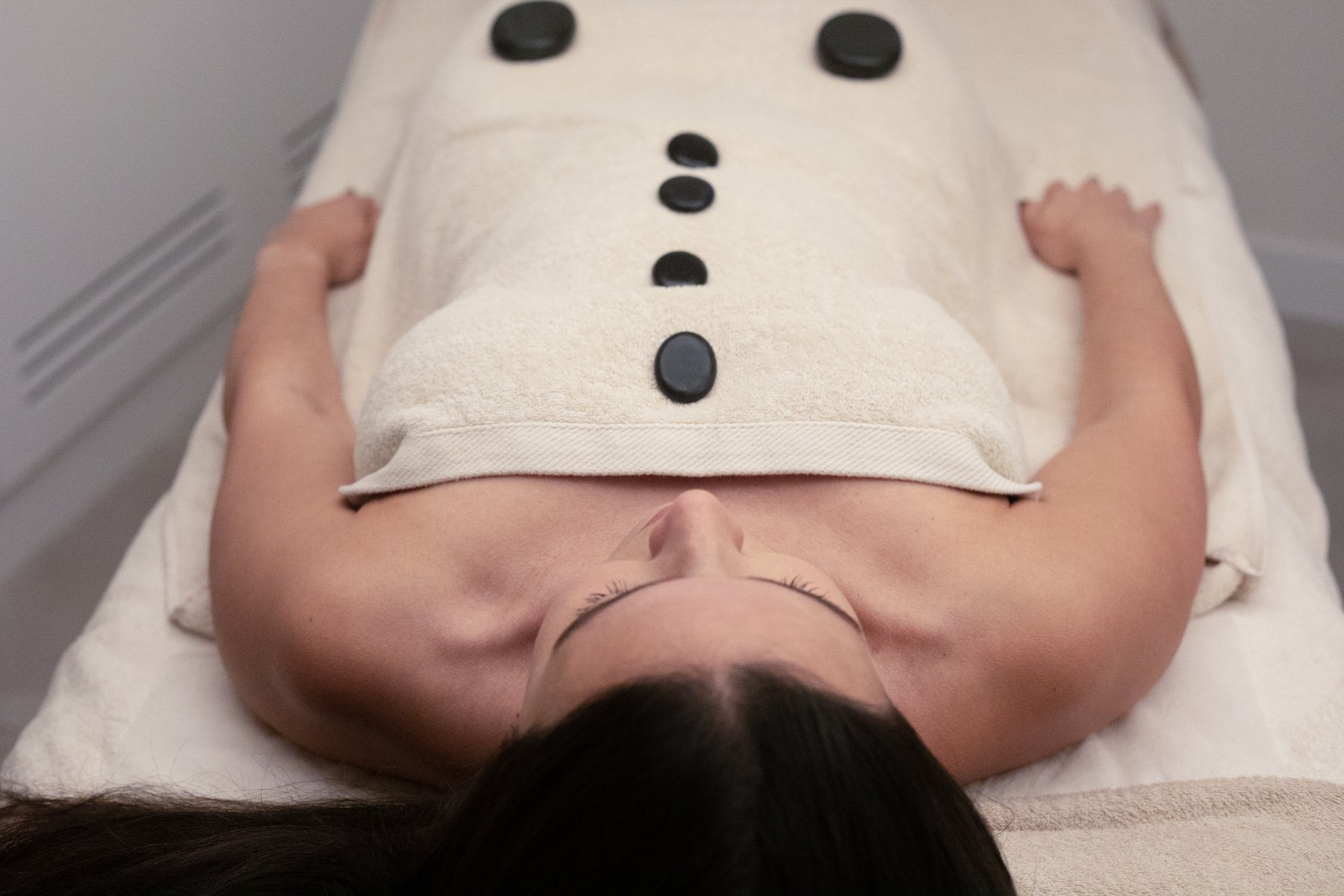
Hot Stone Massage
Hot Stone Massage
Relaxes muscles, relieves tension, improves circulation, and promotes drainage with deep heat from volcanic stones.
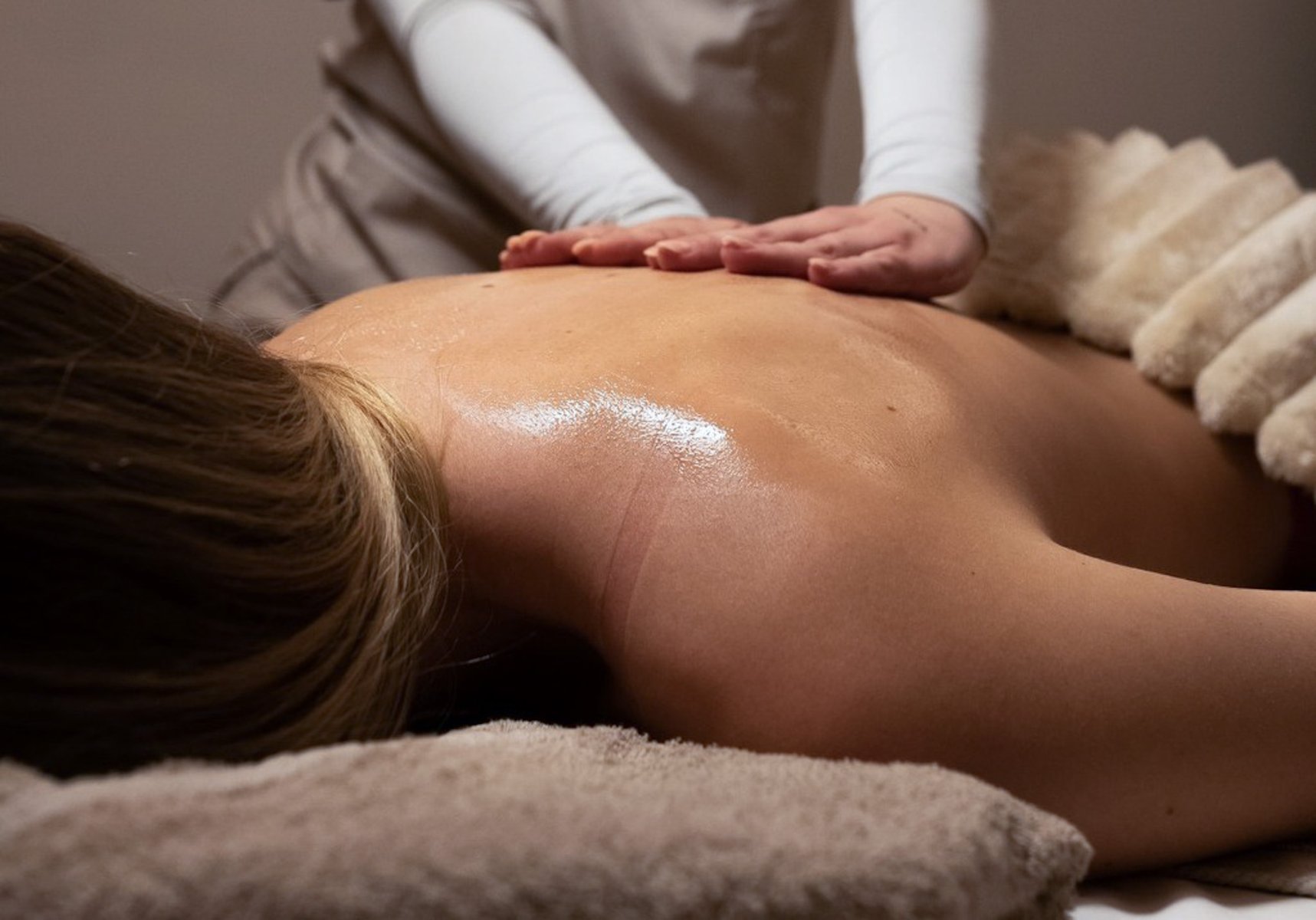
Ananda Massage
Ananda Massage
Integrates and harmonizes physical, emotional, and energetic aspects, promoting a deep inner reconnection and holistic w...
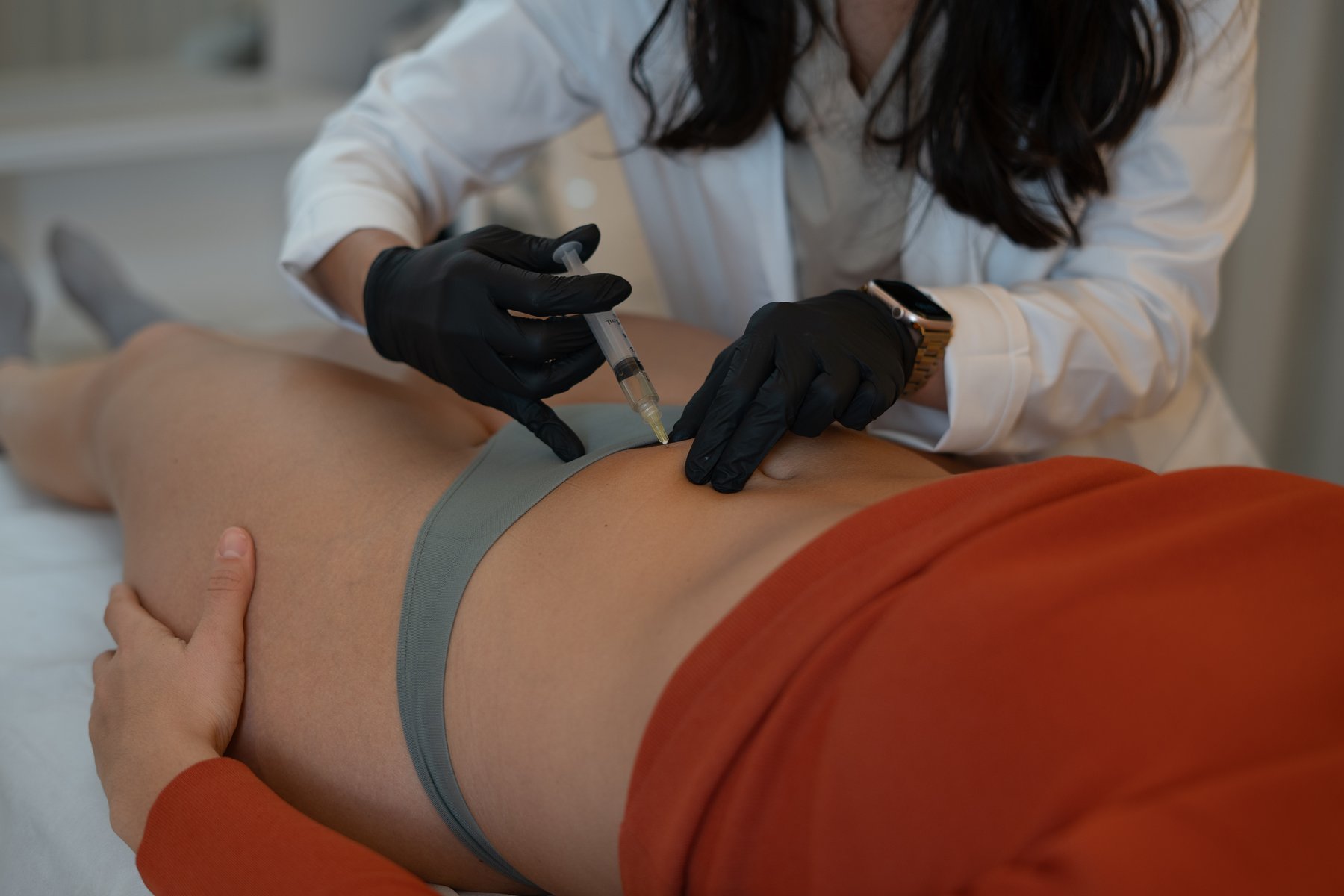
Body Mesotherapy
Body Mesotherapy
Reduces localized fat, combats cellulite, and enhances skin firmness.
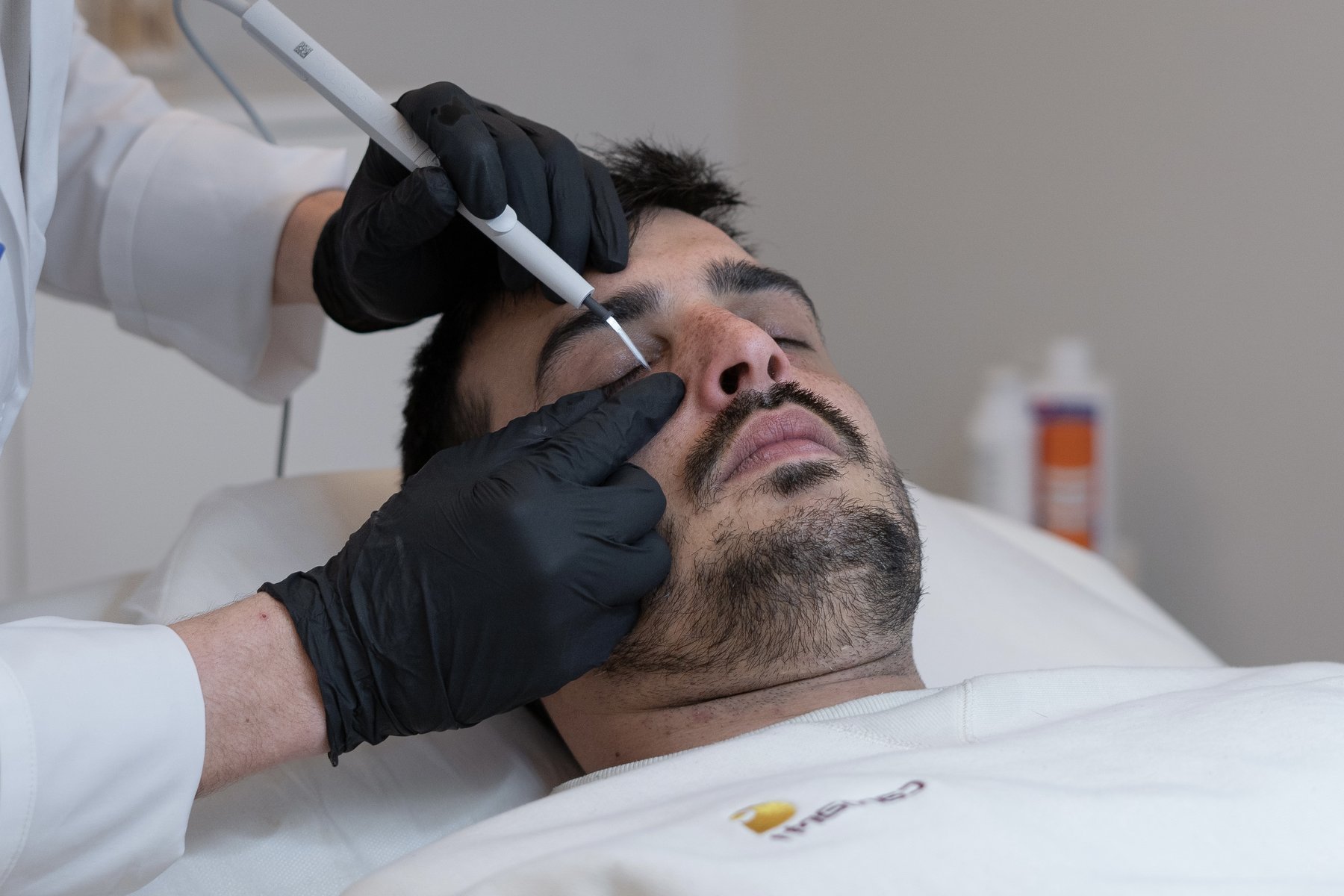
Removal of Benign Lesions
Removal of Benign Lesions
Safely removes benign skin lesions such as skin tags, keratoses, angiomas, and warts with precise, minimally invasive te...
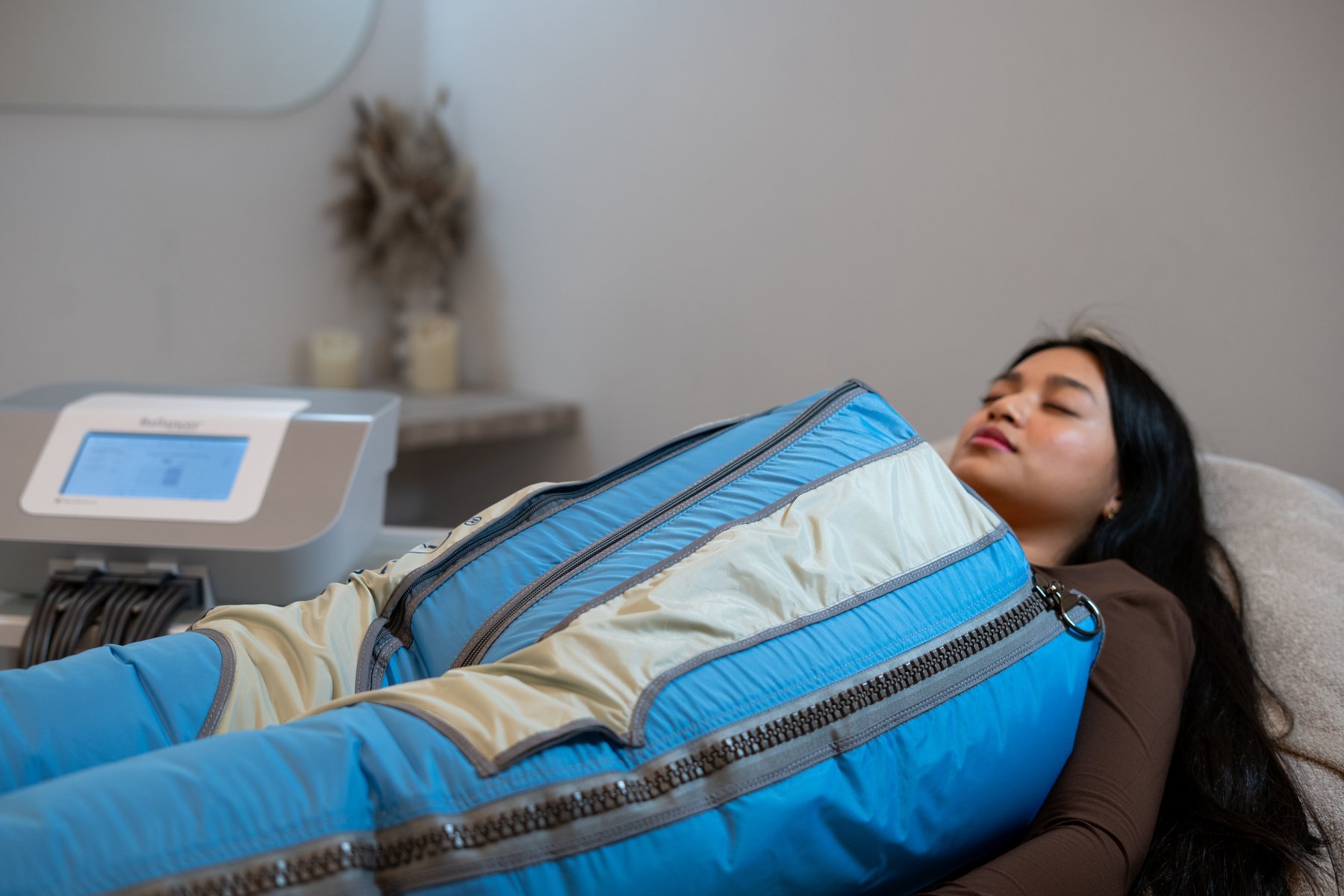
Pressotherapy
Pressotherapy
Promotes lymphatic drainage and circulation using Ballancer® Platinum technology, reducing tired legs, fluid retention, ...
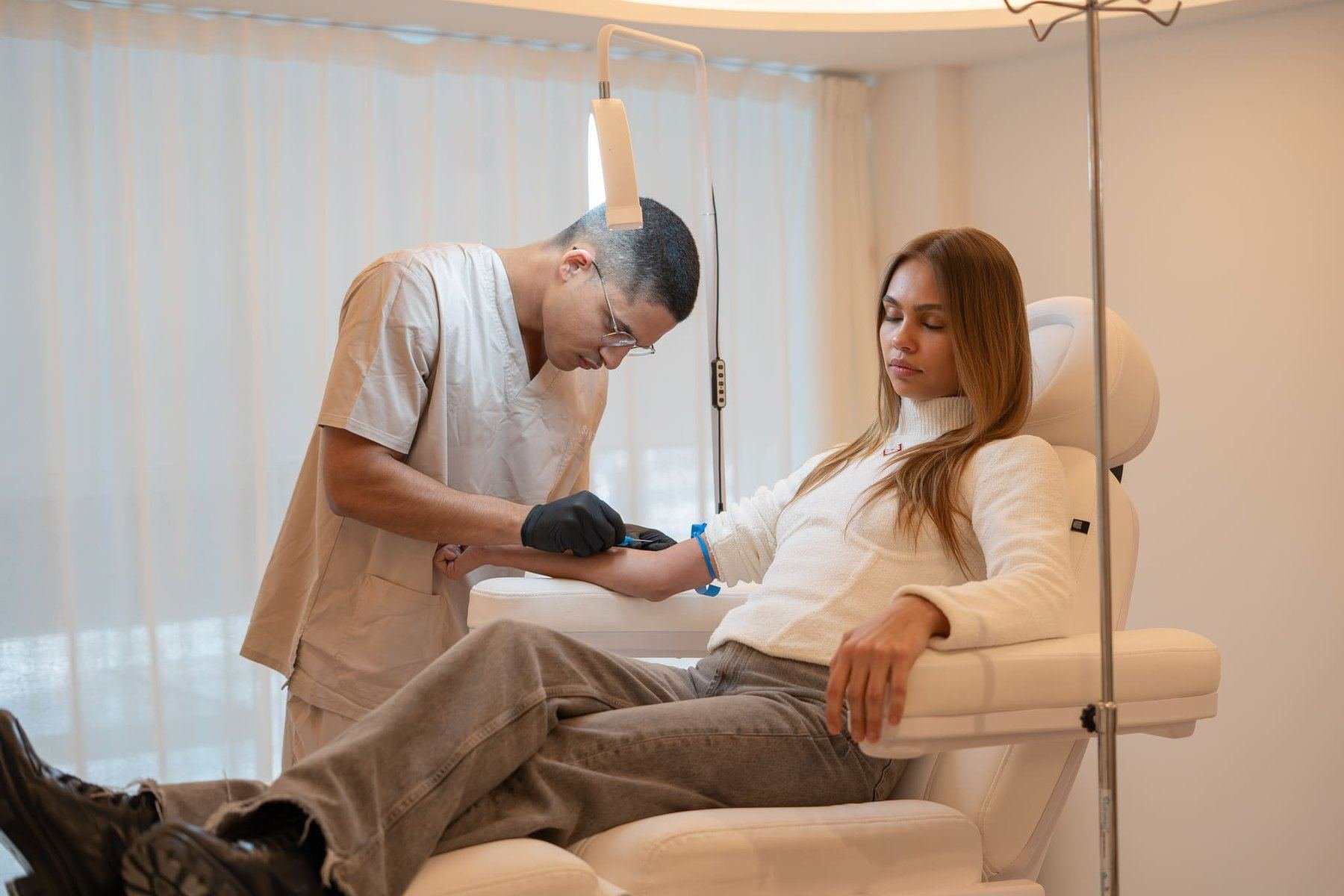
NAD+ IV Therapy
NAD+ IV Therapy
Boosts cellular energy, enhances cognitive function, promotes cellular longevity and repair.
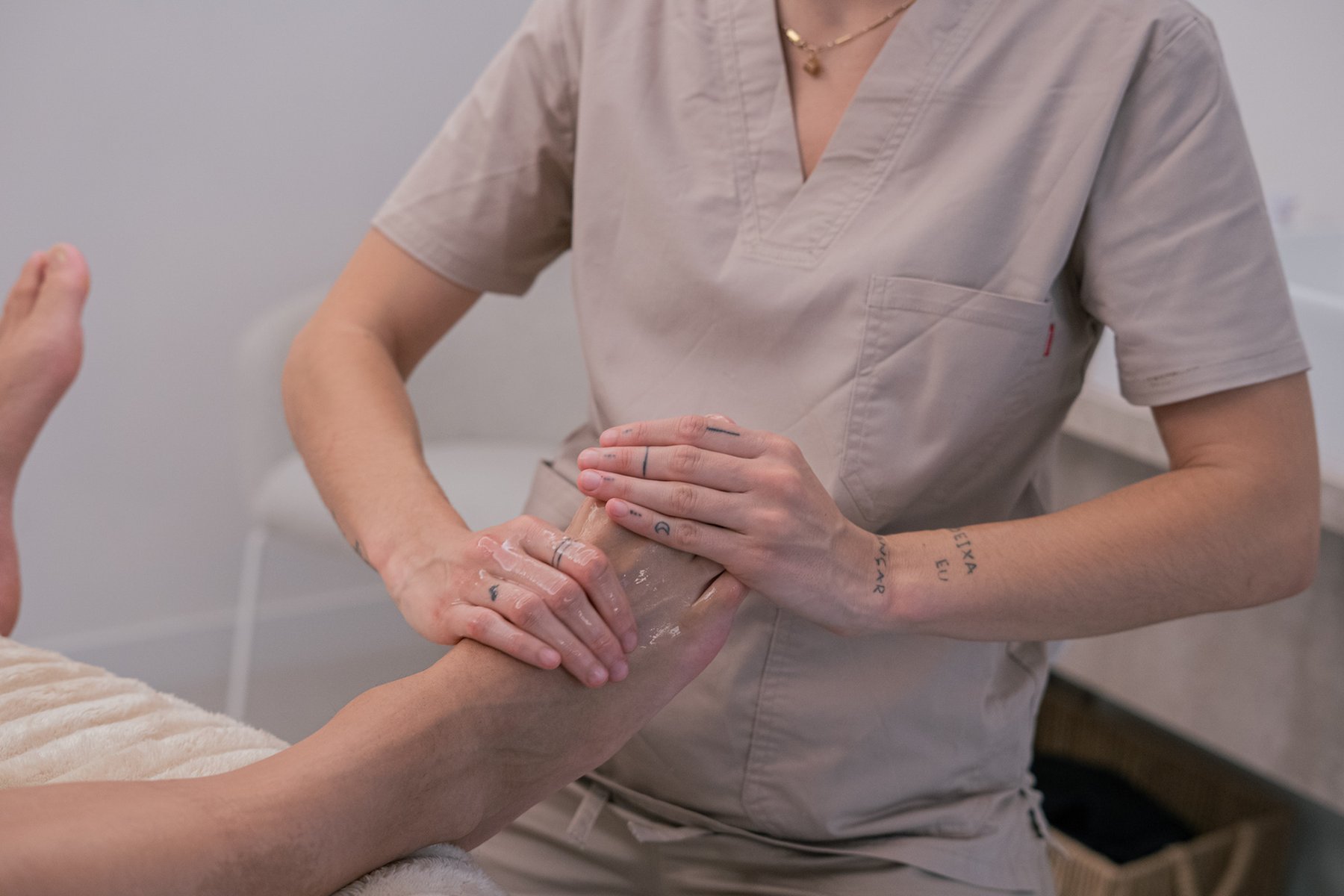
Foot Reflexology
Foot Reflexology
Relieves tension, improves circulation, and promotes overall balance in the body.
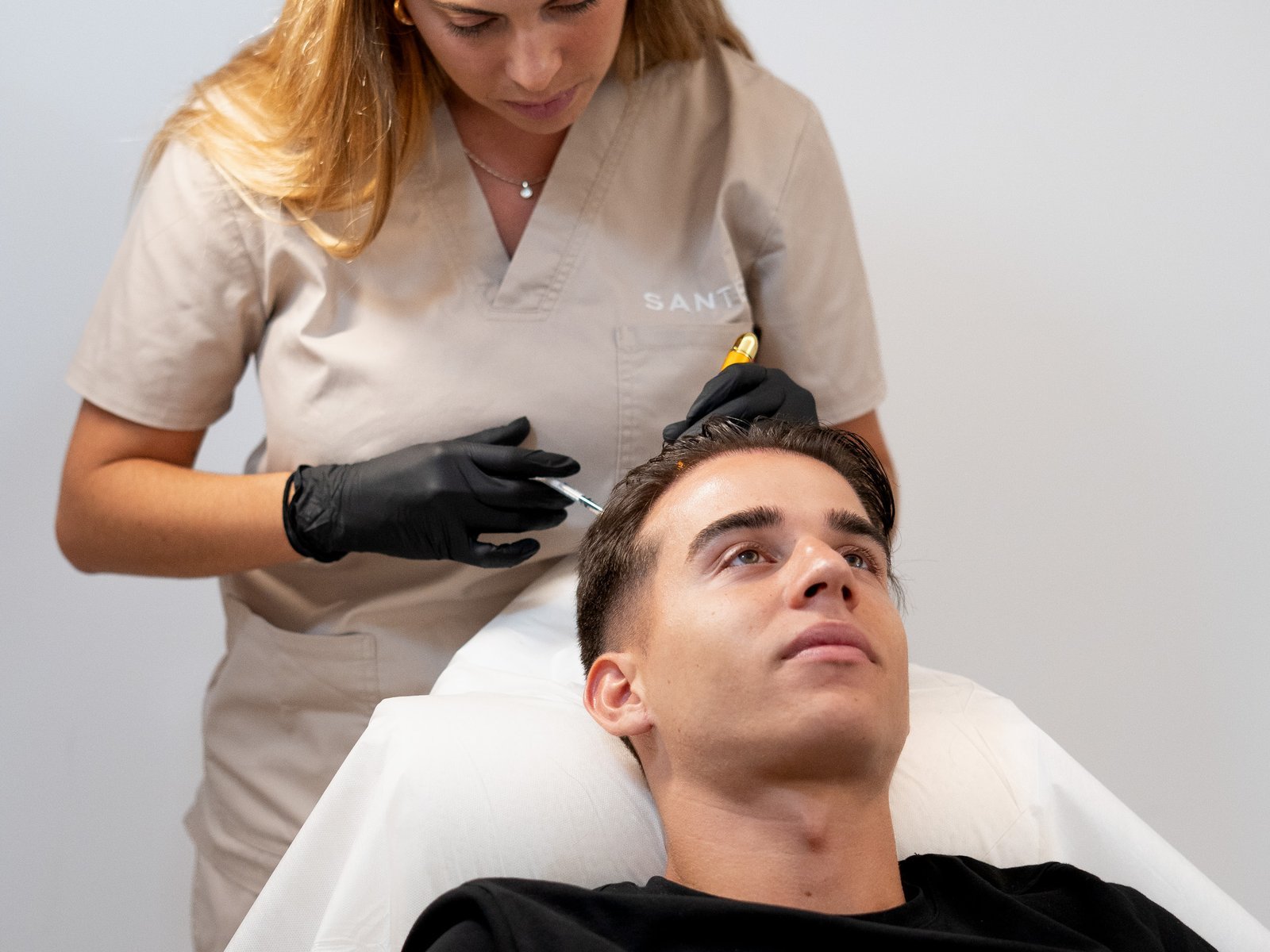
Exosomes Hair Treatment
Exosomes Hair Treatment
Utilizes stem cell-derived exosomes to regenerate hair follicles, stimulate natural hair regrowth, and improve hair dens...

Exosomes Microneedling for Face
Exosomes Microneedling for Face
Combines microneedling with exosome therapy to intensely rejuvenate facial skin, stimulating collagen, improving texture...
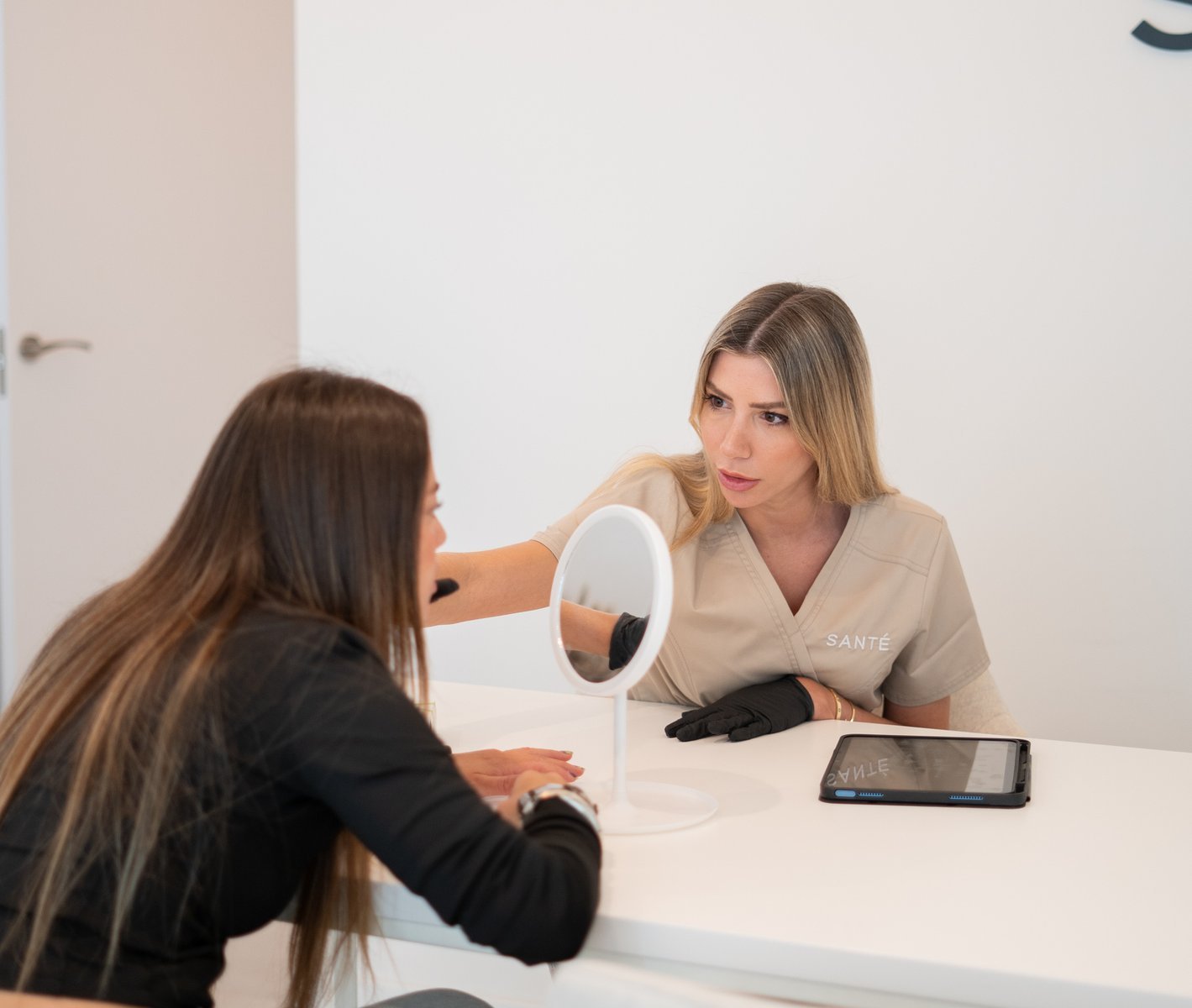
Facial Medical Consultation
Facial Medical Consultation
Provides a medical diagnosis, safety, and a personalized treatment plan with clear expectations and timelines.
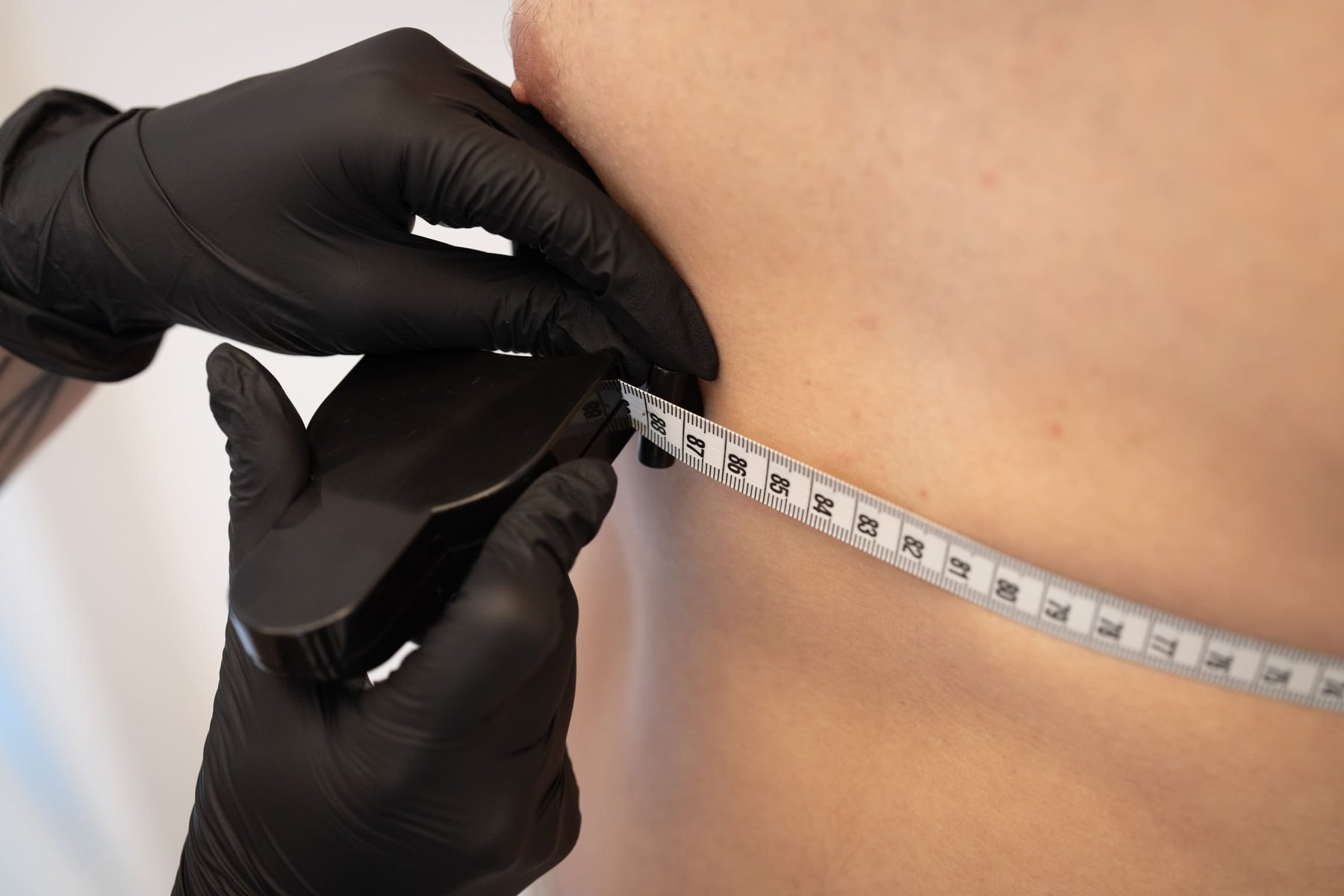
Body Medical Consultation
Body Medical Consultation
Medical body assessment and a personalized plan to improve body aesthetics safely and progressively.
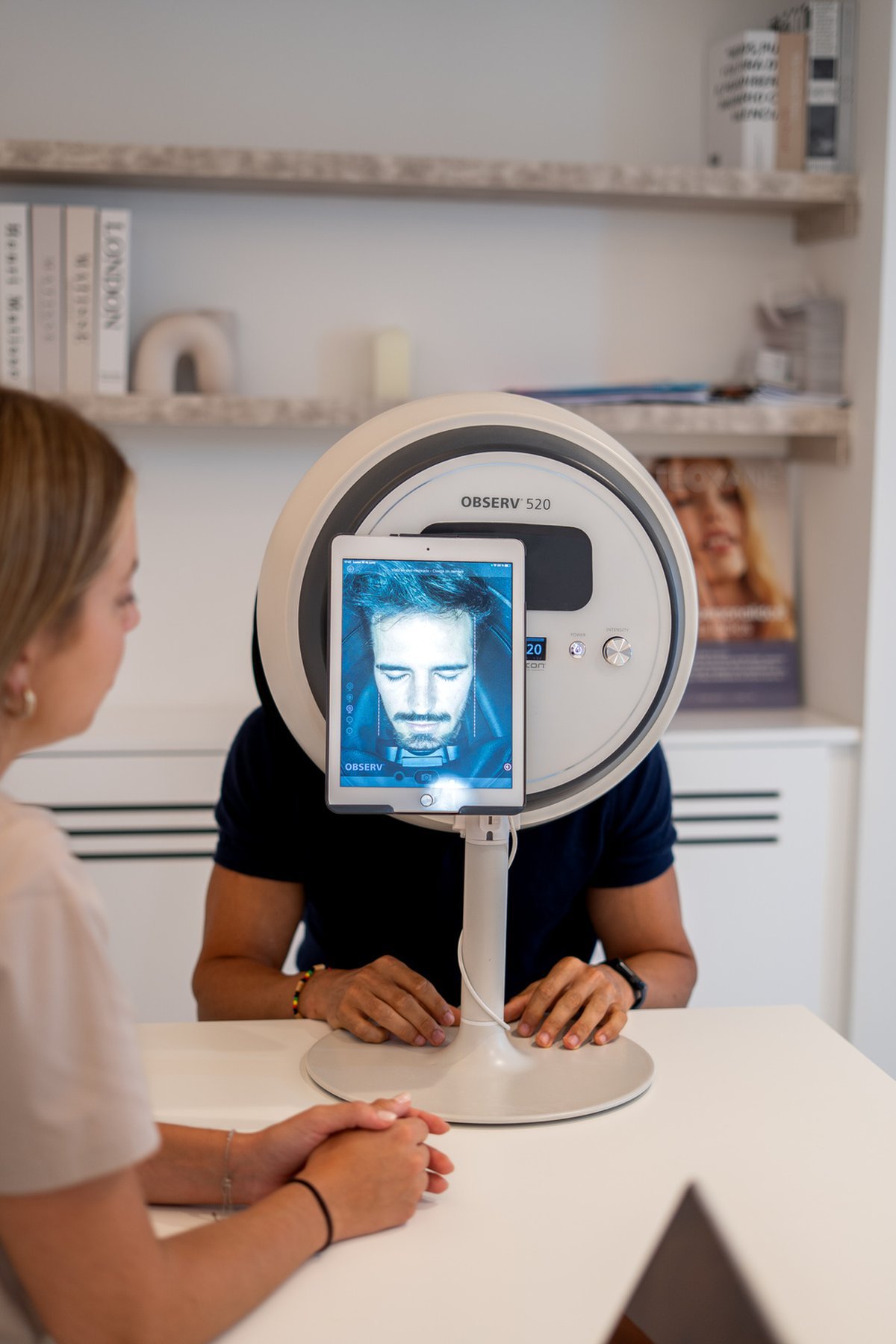
Aesthetic Consultation
Aesthetic Consultation
Offers a free aesthetic assessment, practical tips, and a comprehensive plan for medical facial care, with a referral to...

Hair Consultation
Hair Consultation
Diagnoses your hair health, offers a personalized plan with in-clinic therapies like mesotherapy, PRP, or exosomes, and ...
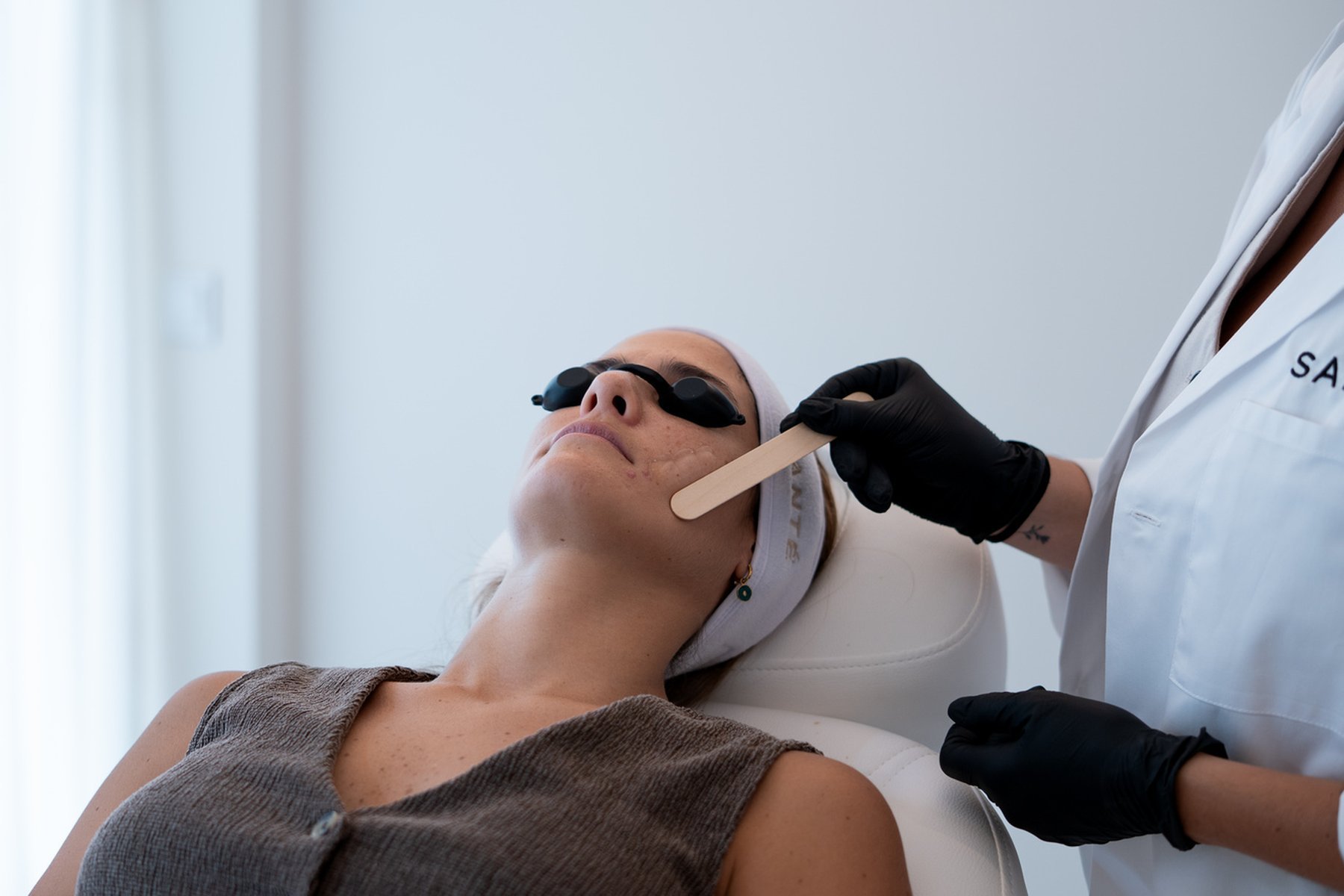
Active Acne (420 nm IPL)
Active Acne (420 nm IPL)
Reduces inflammation and oil, targets acne bacteria, and improves texture to help prevent breakouts.

Sun & Age Spots (Pigmentation IPL)
Sun & Age Spots (Pigmentation IPL)
Targets melanin to lift sun spots and even the complexion while boosting radiance.
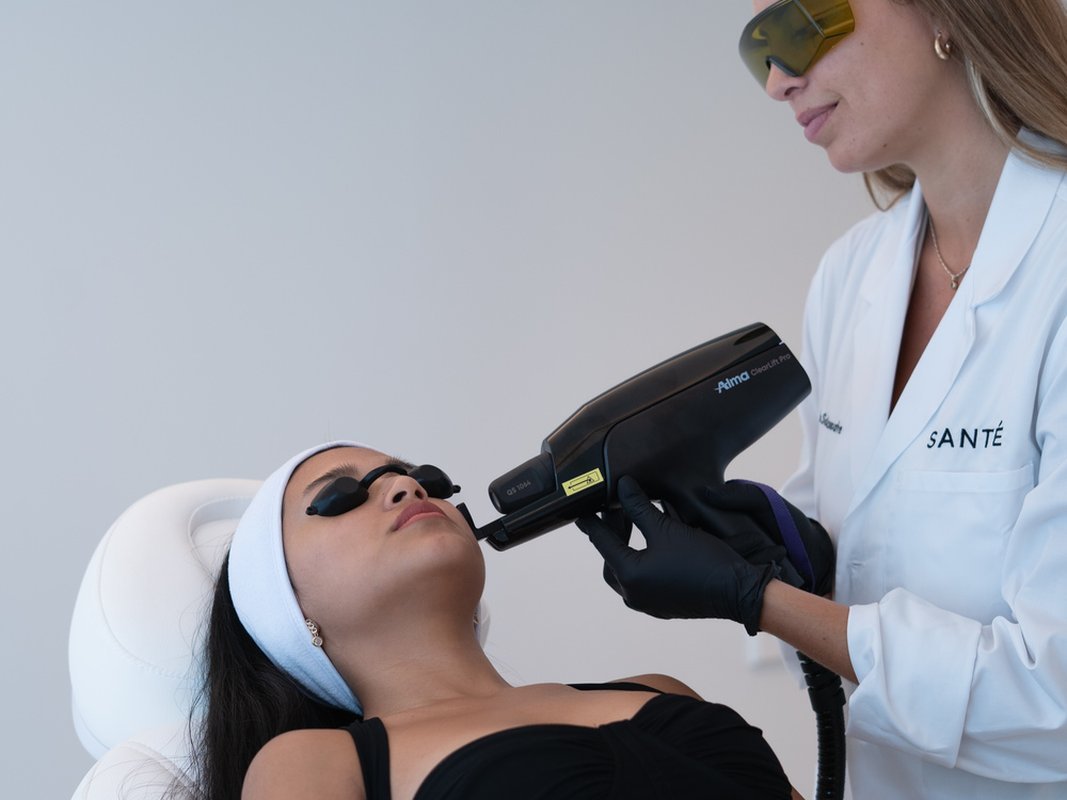
Laser Rejuvenation (ClearLift, non-ablative)
Laser Rejuvenation (ClearLift, non-ablative)
Stimulates collagen and elastin to refine texture and pores, boost firmness and radiance, and soften fine lines with zer...
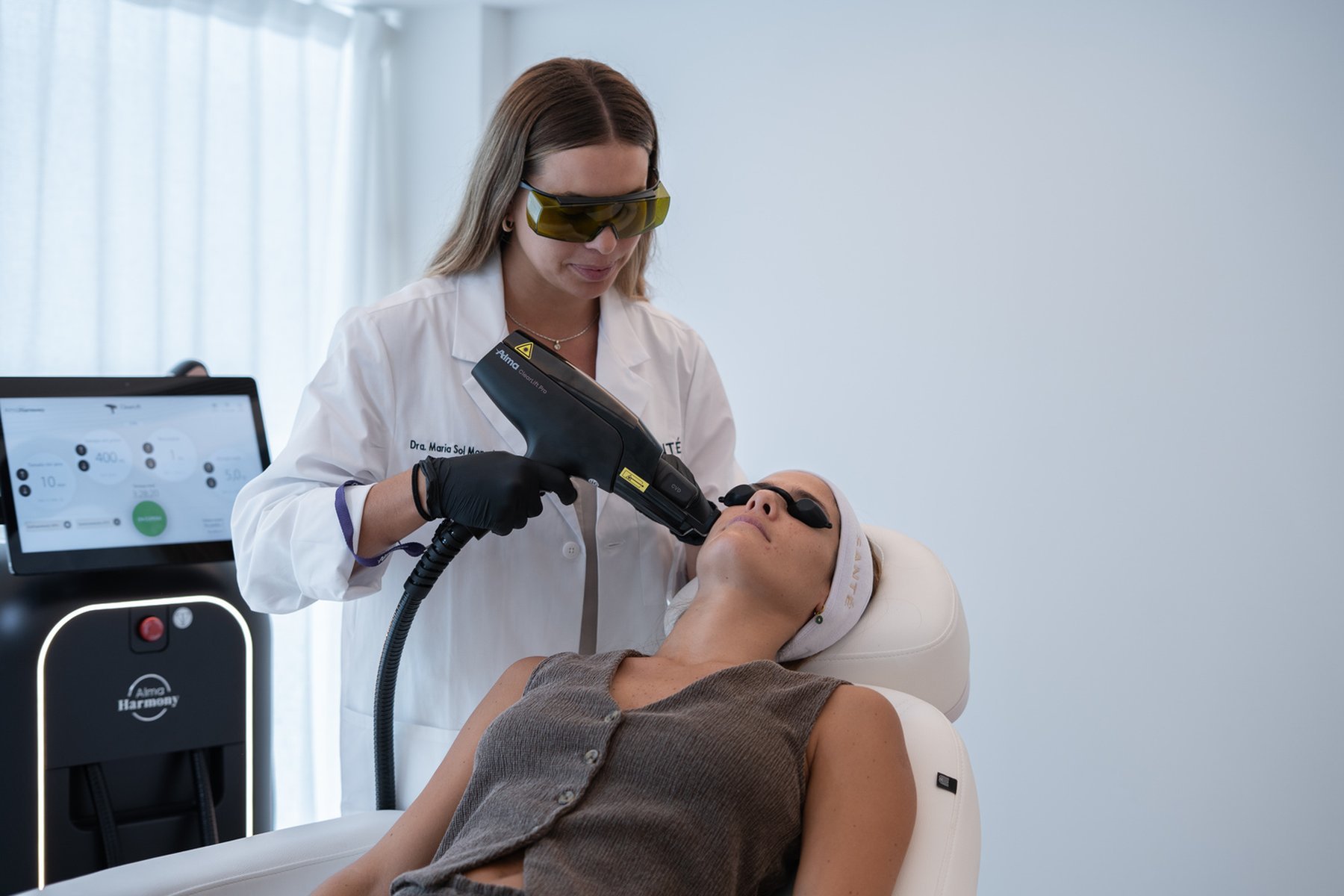
Melasma (Q-Switched Laser)
Melasma (Q-Switched Laser)
Fragments excess melanin to even tone, complements medical depigmenting therapy, and helps reduce relapse when paired wi...

Rosacea & Redness (Vascular IPL)
Rosacea & Redness (Vascular IPL)
Targets superficial vessels to reduce persistent redness, flushing, and visible capillaries while improving overall tone...
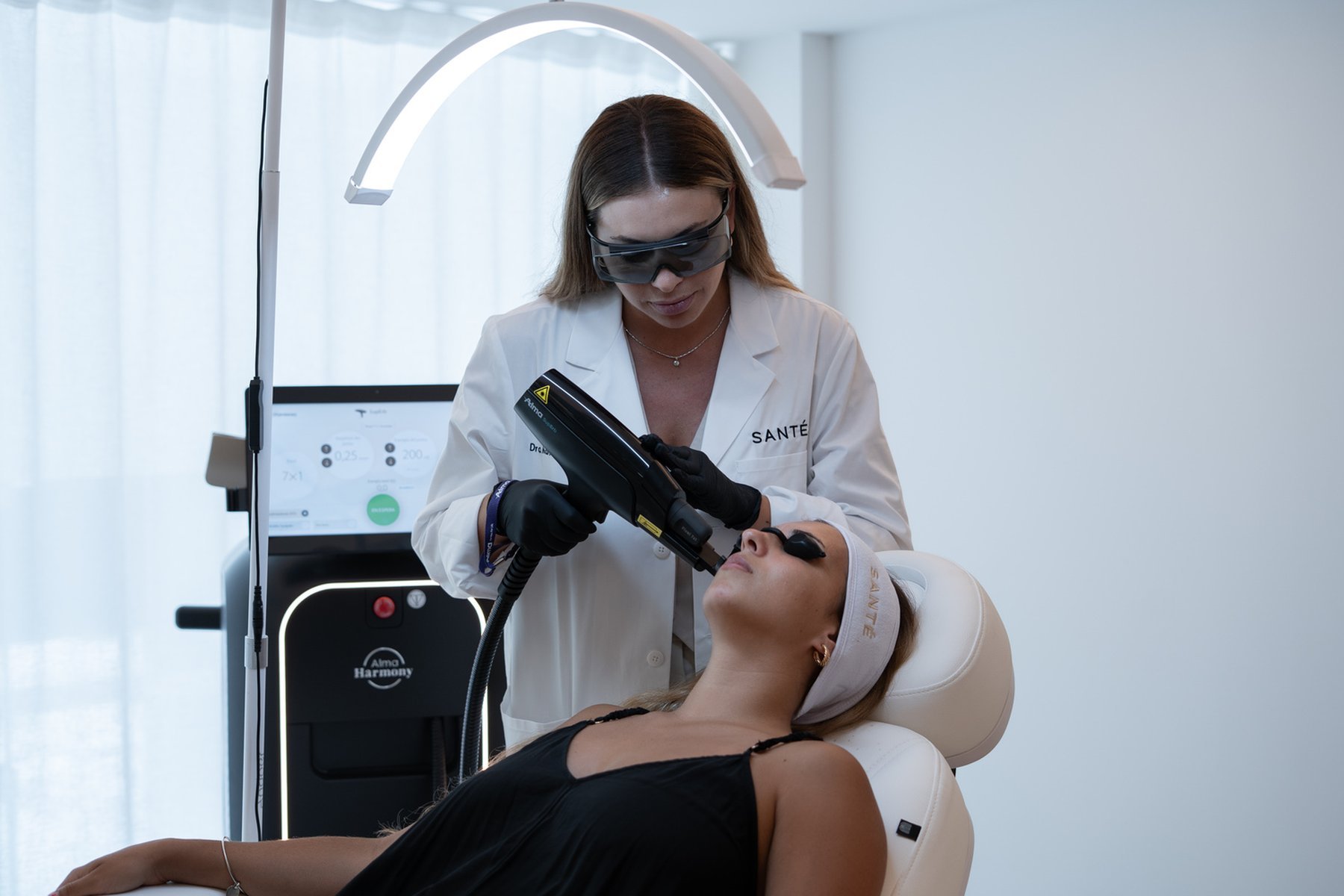
Ablative Resurfacing (Erbium 2940 nm, CO2 alternative)
Ablative Resurfacing (Erbium 2940 nm, CO2 alternative)
Ablates and resurfaces damaged skin to smooth etched lines, refine texture and pores, soften acne scars, and reverse sun...
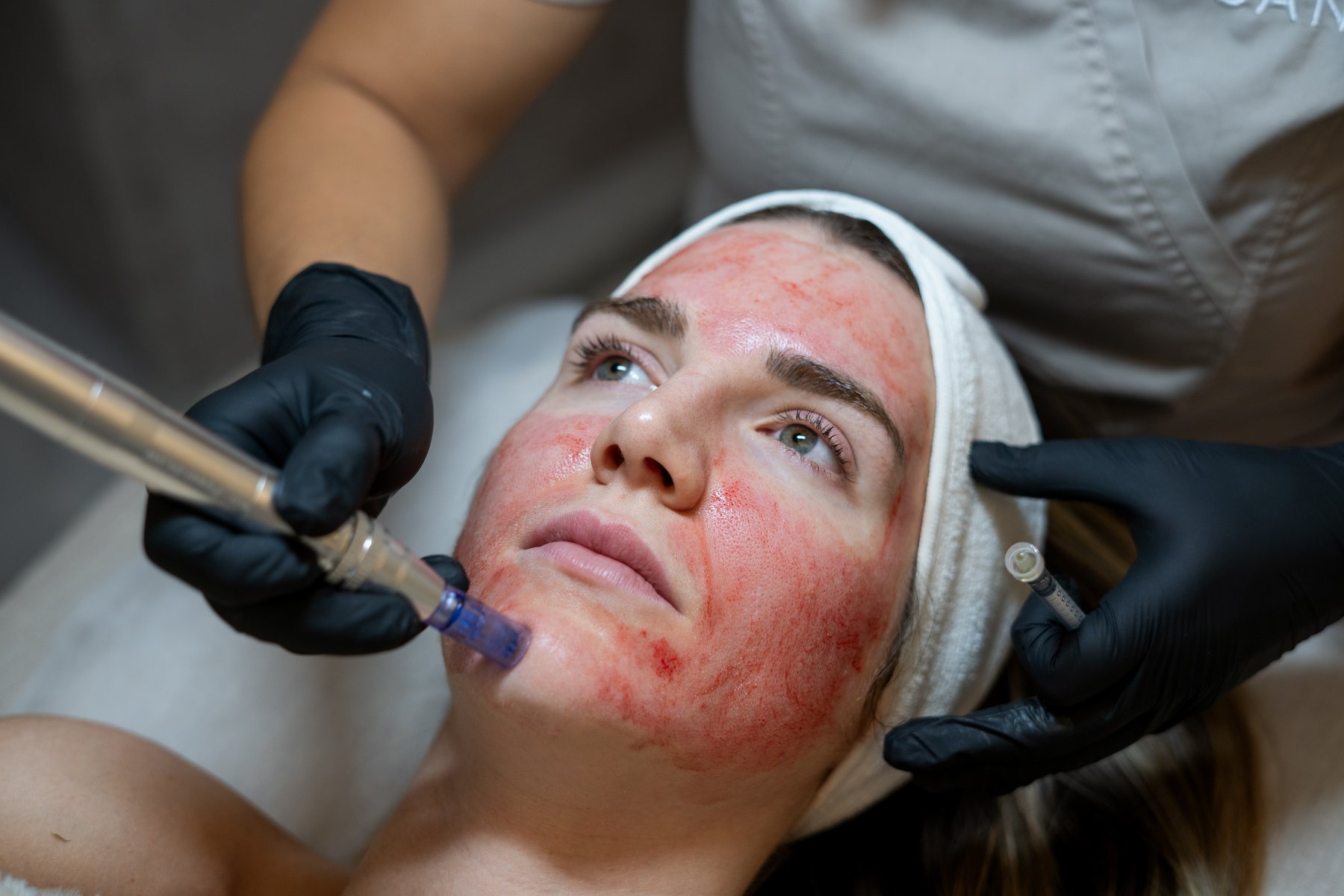
Vampire Facial (PRP + Microneedling)
Vampire Facial (PRP + Microneedling)
Improves skin glow, texture, and overall quality by stimulating natural regeneration and collagen production through PRP...
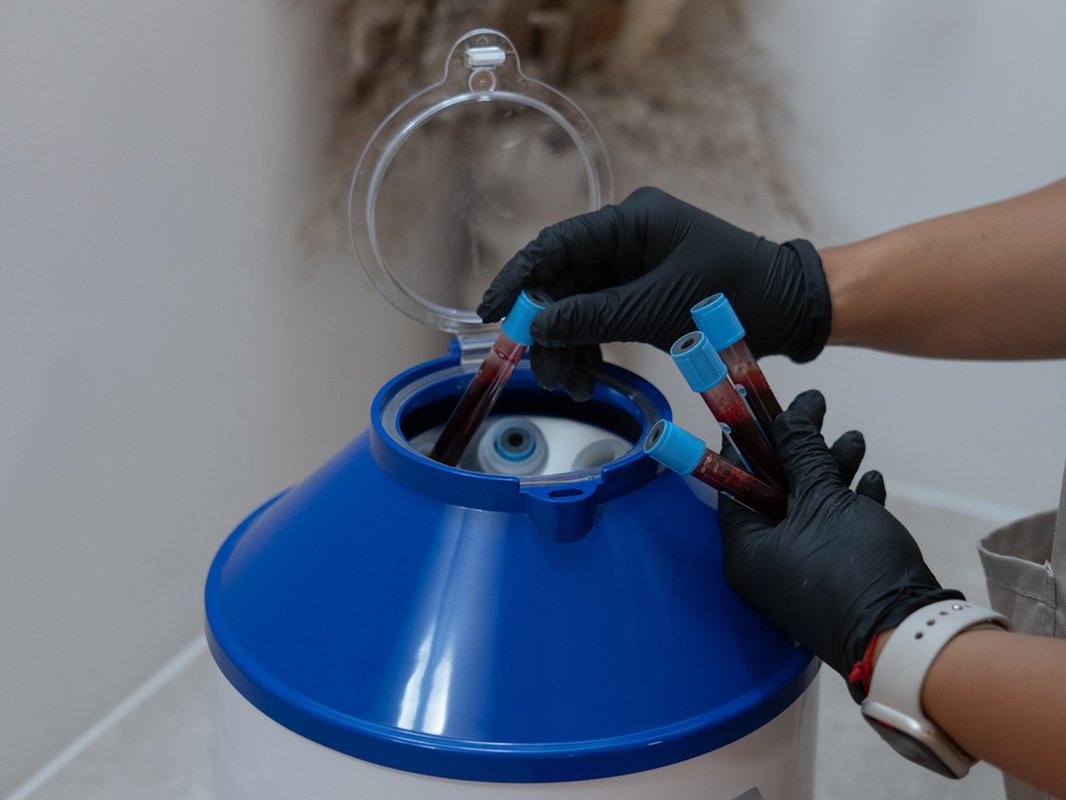
PRF Injectable Facial
PRF Injectable Facial
Deeply regenerates the skin by stimulating collagen and improving firmness and skin quality.
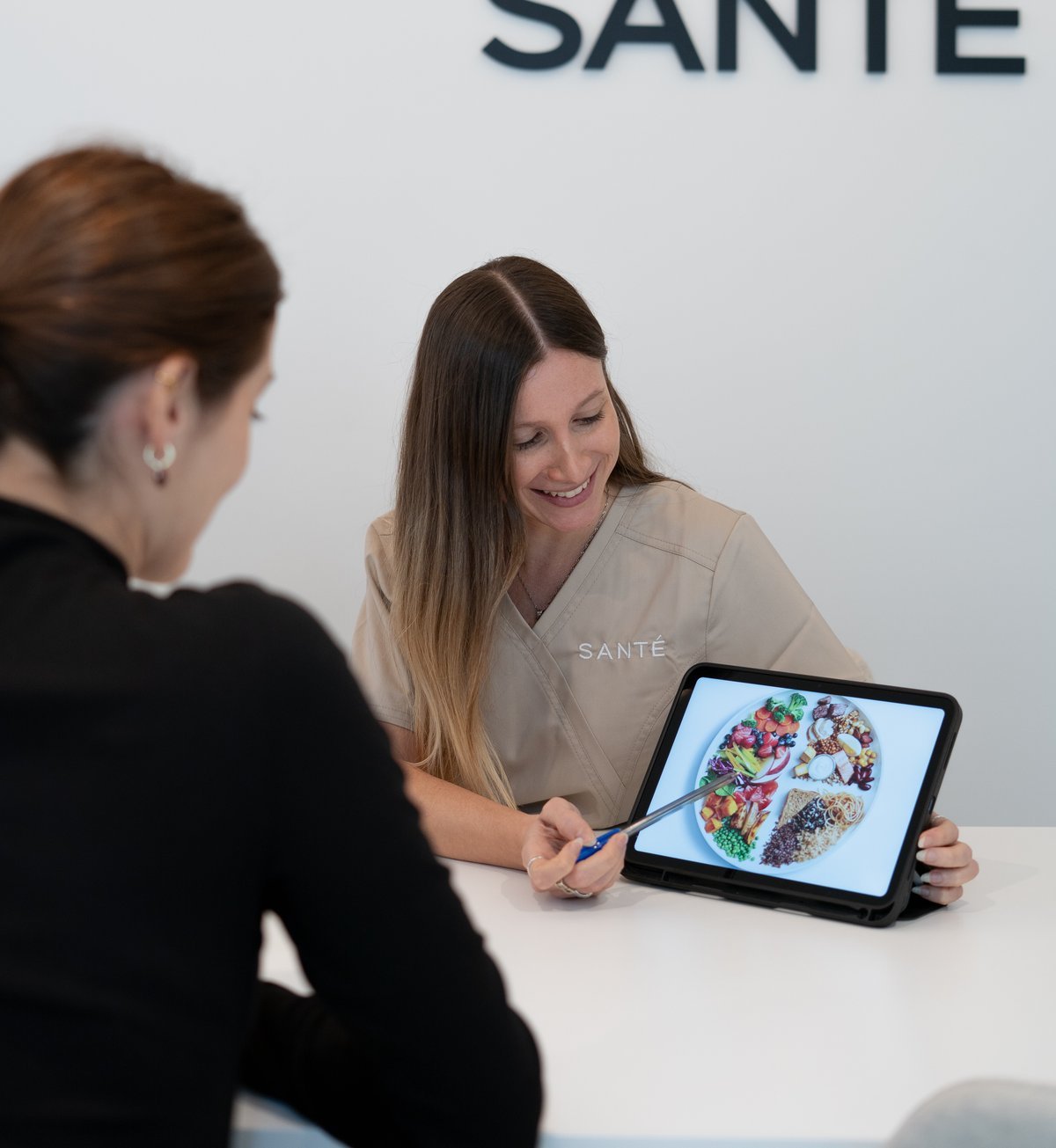
Nutrition Consultation
Nutrition Consultation
Designs a personalized nutrition plan to improve your habits, body composition, and enhance your treatment results.
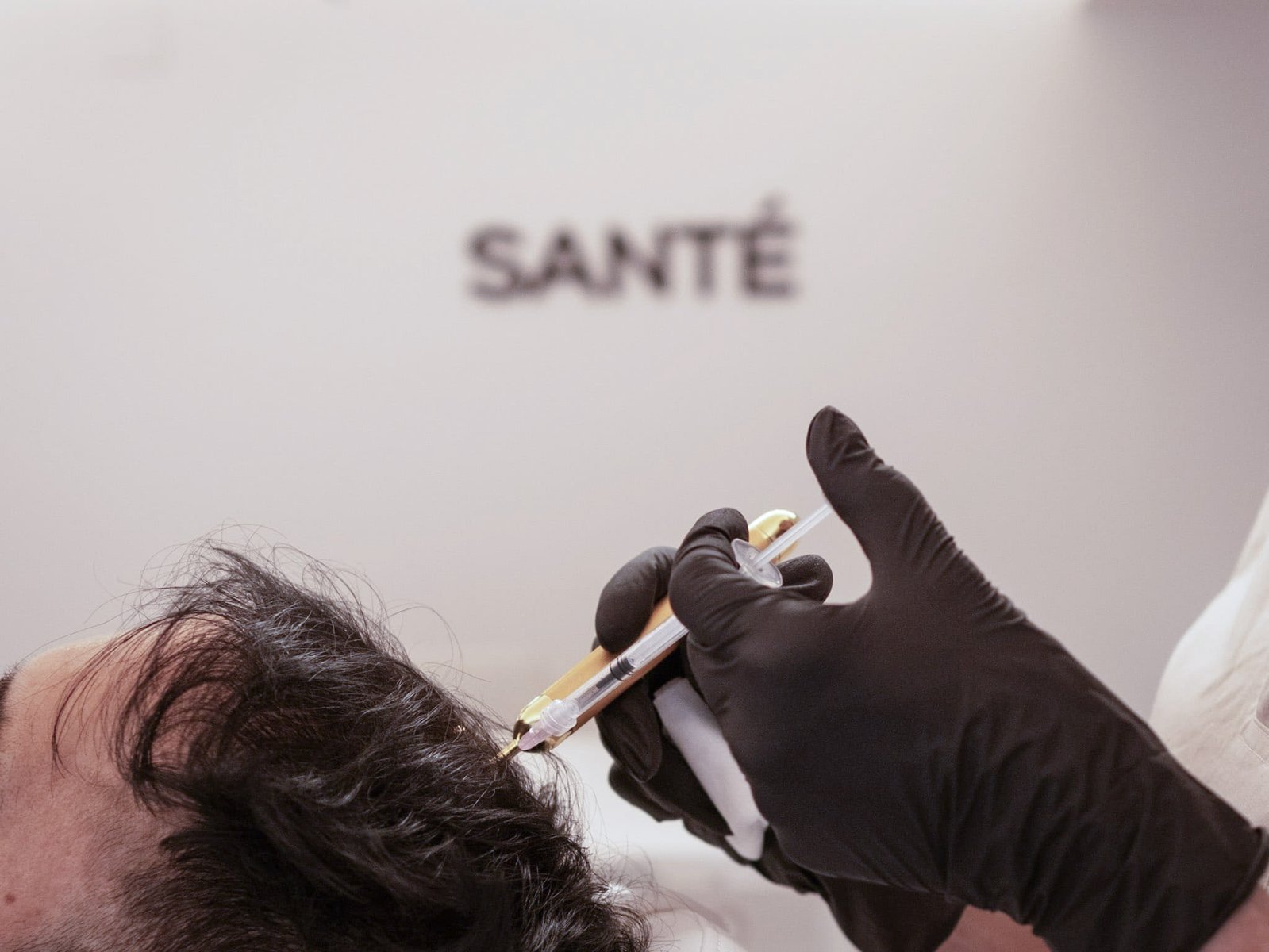
Hair-loss medication
Hair-loss medication
Medical regimen with oral finasteride, dutasteride and/or minoxidil, prescribed and monitored by our team to slow hair l...
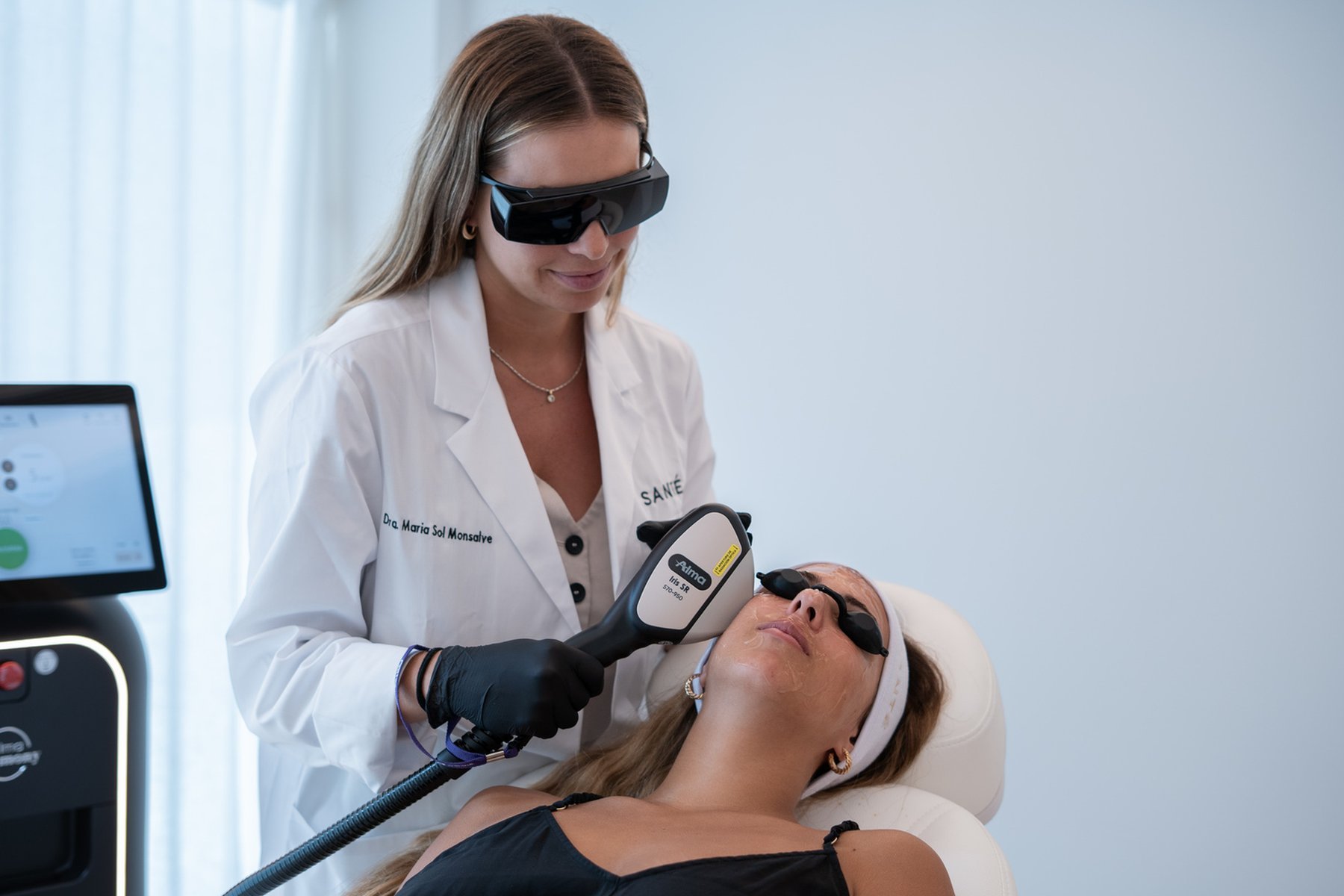
Medical depigmenting therapy
Medical depigmenting therapy
Combines doctor-prescribed depigmenting actives to reduce dark spots, melasma and hyperpigmentation in a controlled, saf...
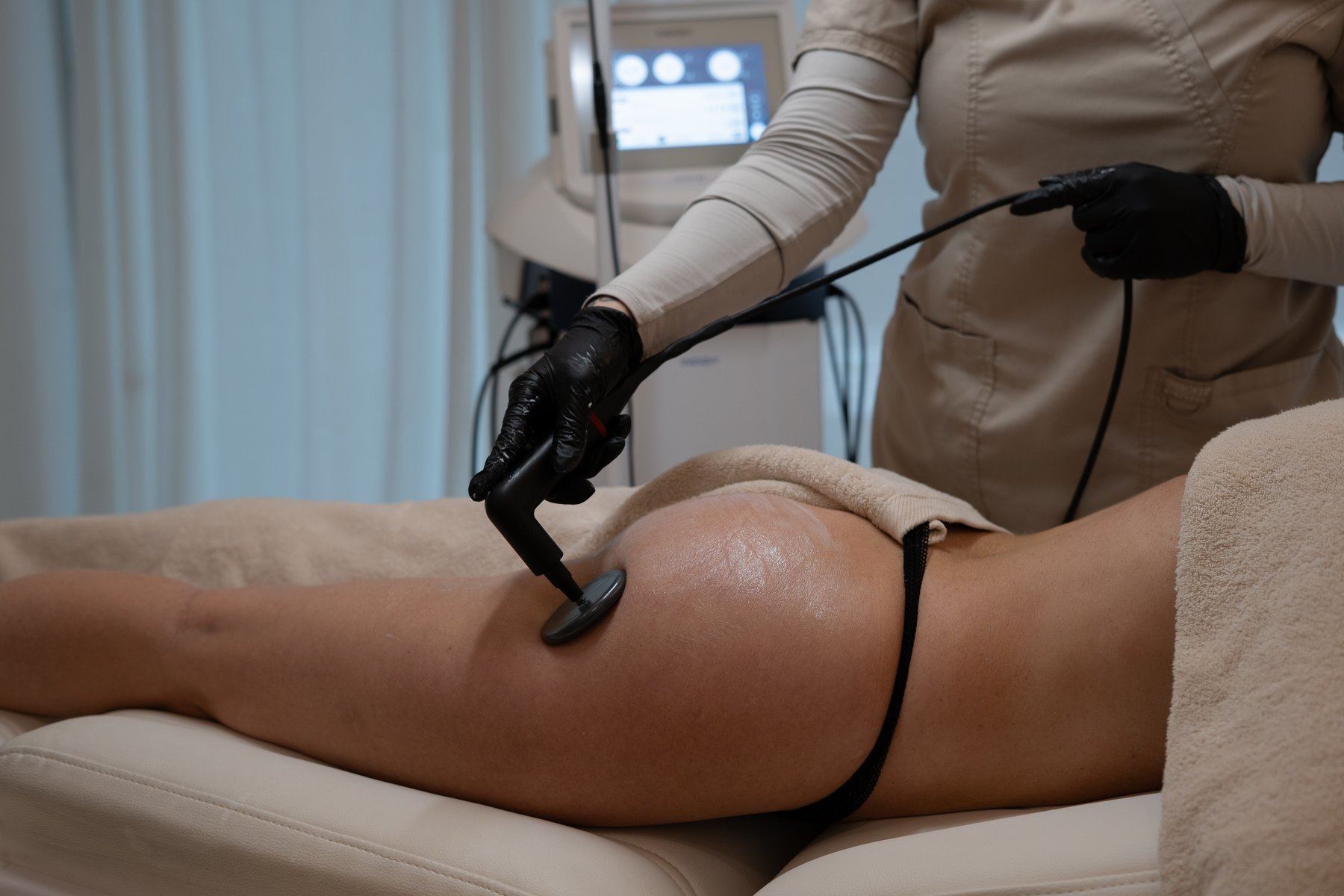
Cellulite subcision
Cellulite subcision
Mechanically releases the fibrous bands that cause deep cellulite dimples, with visible and long-lasting results.

Female Intimate Zone Regeneration with PRP
Female Intimate Zone Regeneration with PRP
Stimulates the natural regeneration of intimate tissues using growth factors from the patient's own blood, improving hyd...
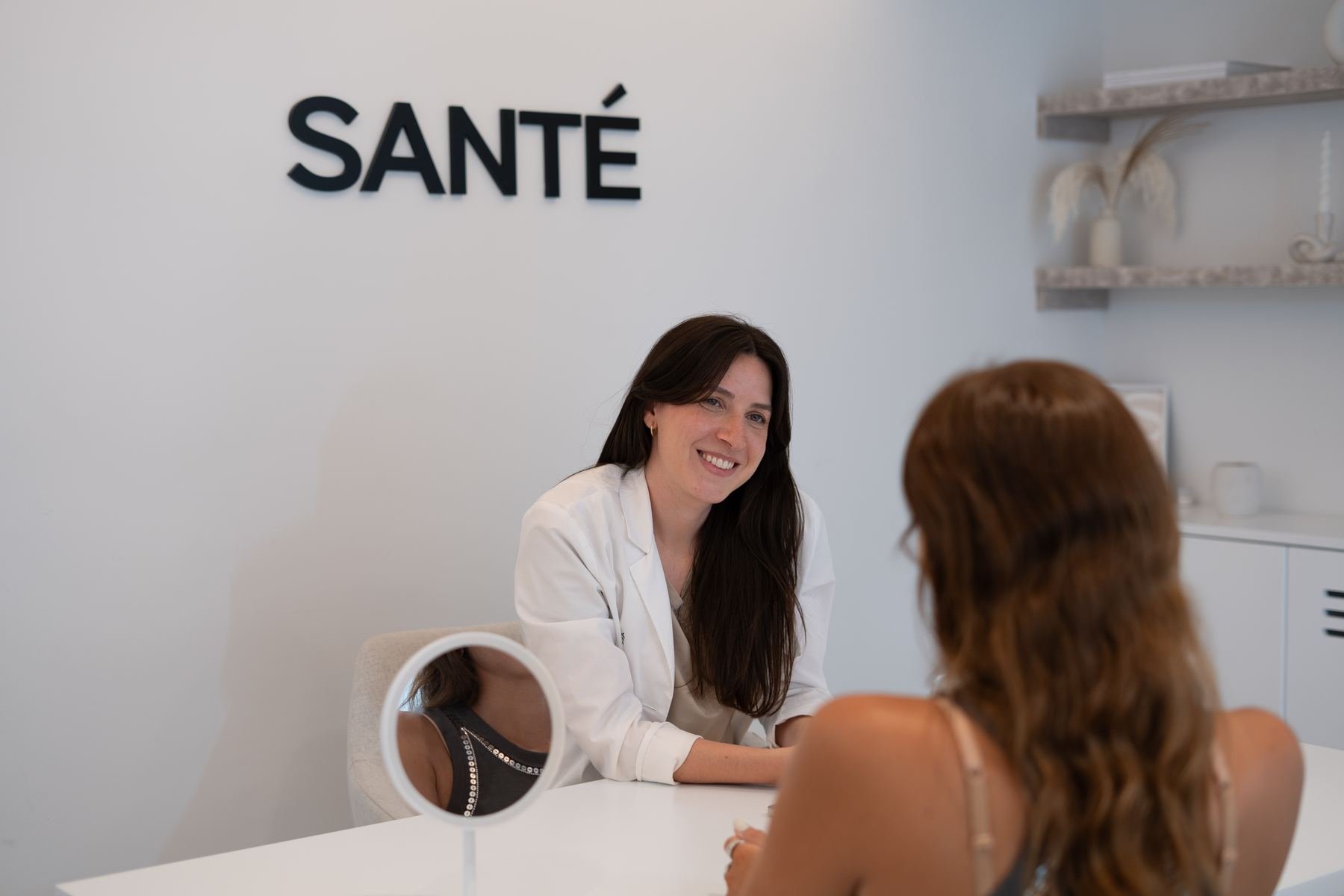
Female Intimate Zone Regeneration with PRF
Female Intimate Zone Regeneration with PRF
Promotes the regeneration of intimate tissues using platelet-rich fibrin from the patient's own blood, with a progressiv...
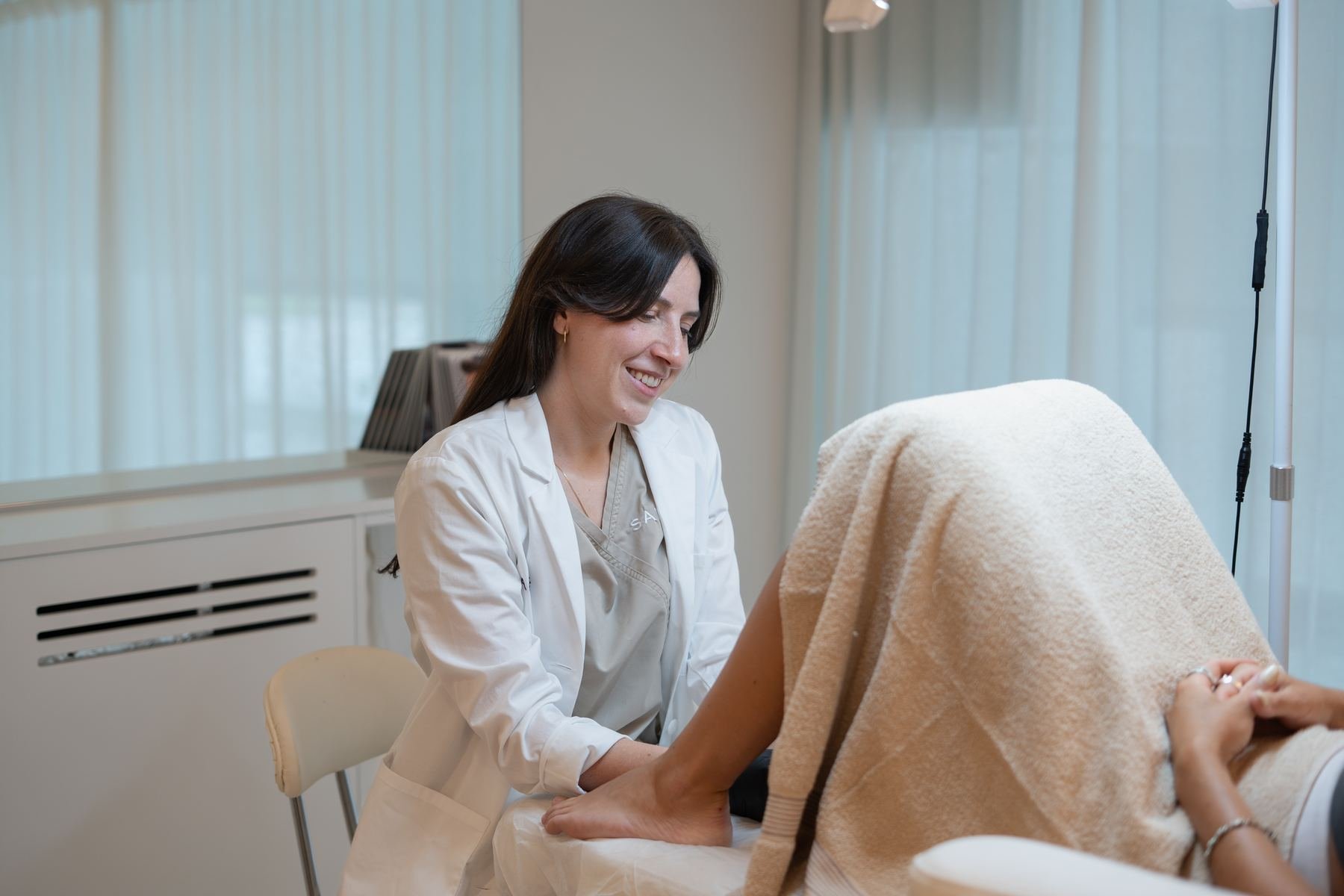
Female Intimate Zone Regeneration with Exosomes
Female Intimate Zone Regeneration with Exosomes
Applies exosomes in regenerative-gynaecology protocols to improve the quality of intimate tissues and enhance the biolog...

Female Intimate Zone Chemical Peel
Female Intimate Zone Chemical Peel
Improves the appearance, texture and evenness of the skin in the intimate zone through the controlled application of che...

Female Intimate Zone Medical Consultation
Female Intimate Zone Medical Consultation
A first specialised and confidential assessment of the female intimate zone, with a personalised diagnosis and a treatme...
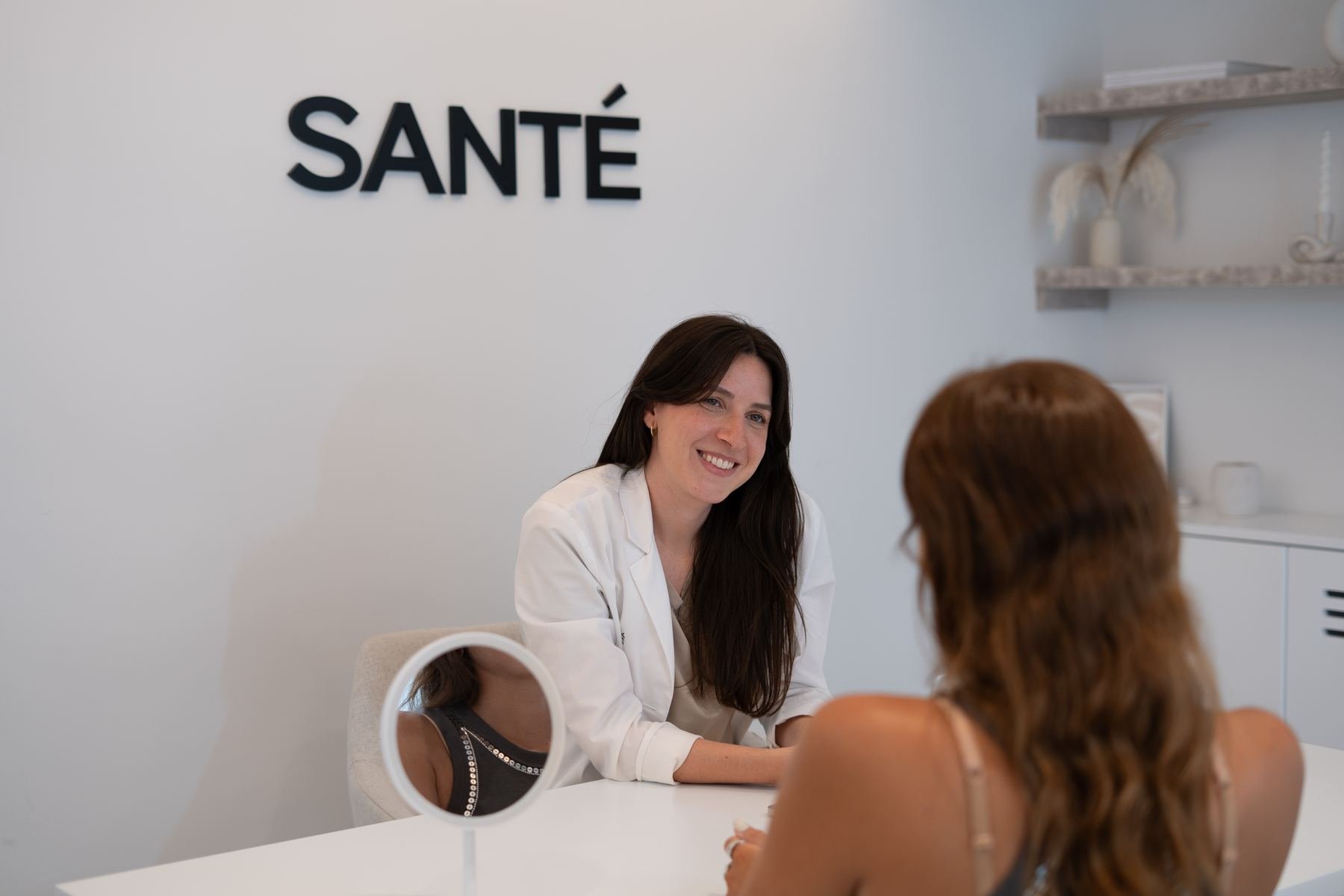
Female Intimate Area Depigmentation Laser (Q-Switched)
Female Intimate Area Depigmentation Laser (Q-Switched)
Selectively targets accumulated pigment in the intimate area to progressively improve hyperpigmentation and achieve a mo...

Female Intimate Area Hydration with Hyaluronic Acid
Female Intimate Area Hydration with Hyaluronic Acid
Improves the hydration, elasticity, and quality of intimate tissues through the injection of gynecological-grade hyaluro...
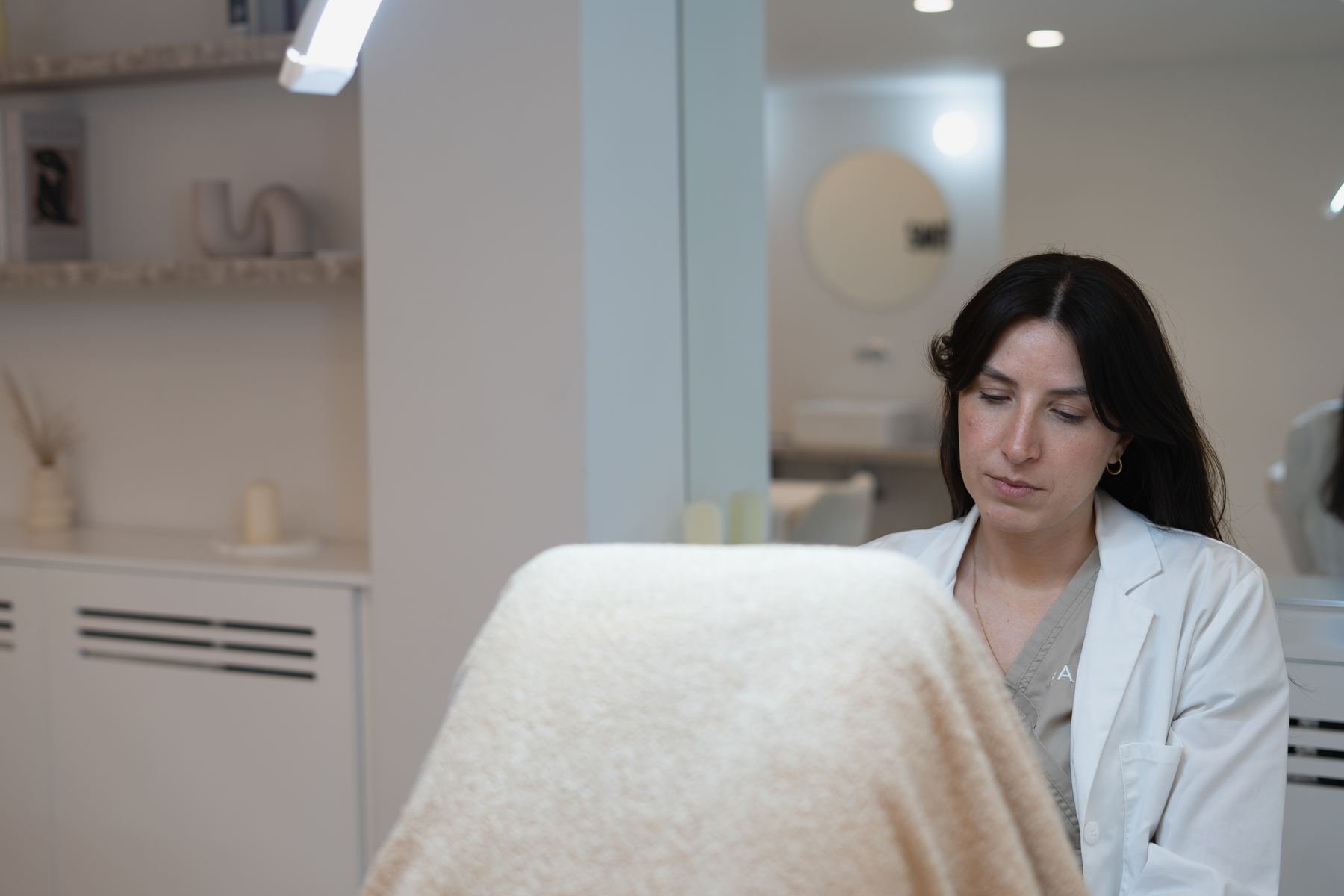
Female Intimate Area Depigmenting Mesotherapy
Female Intimate Area Depigmenting Mesotherapy
Injects depigmenting and regenerative active ingredients into the superficial layers of the skin to regulate melanin pro...
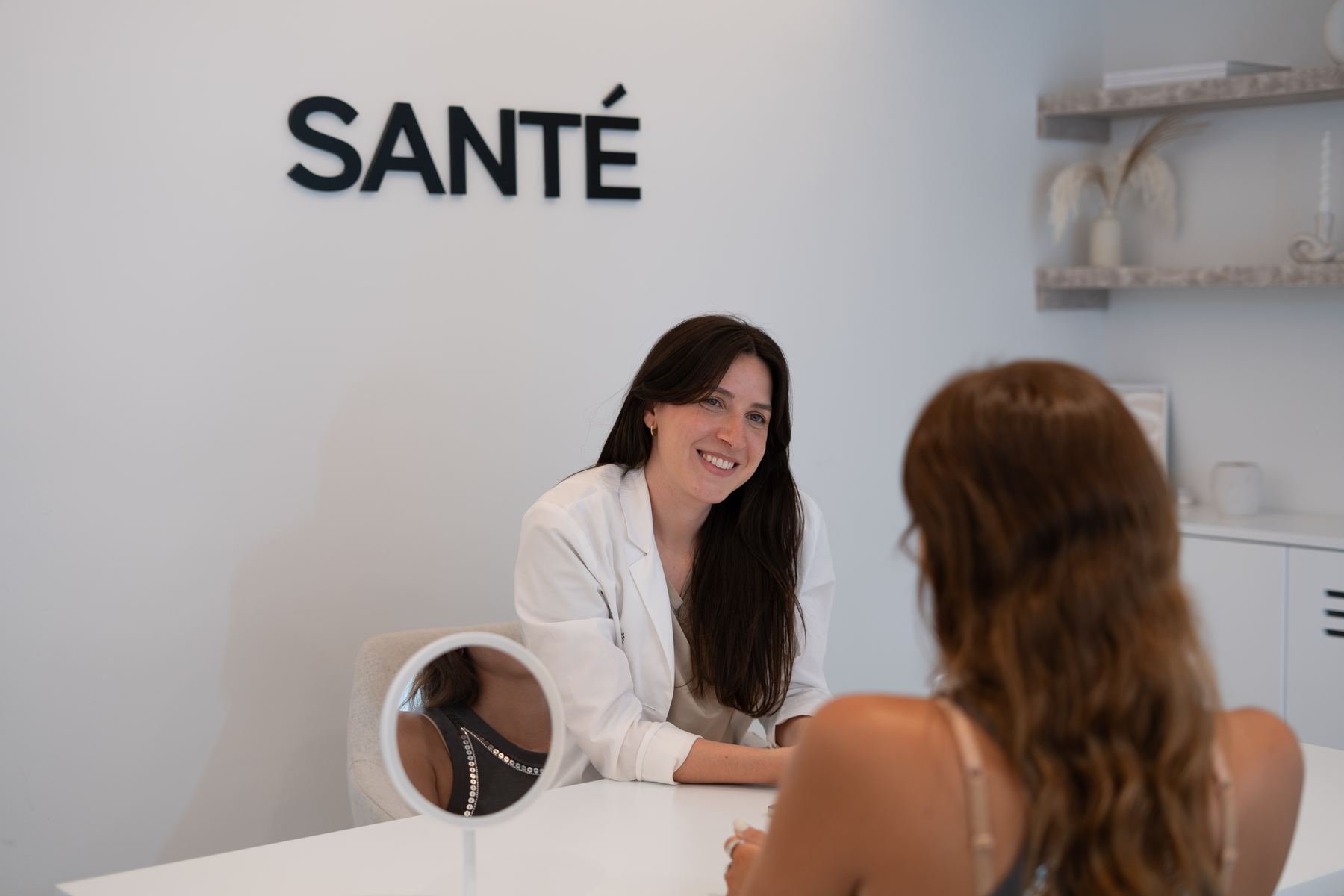
Female Intimate Rejuvenation and Volume Enhancement
Female Intimate Rejuvenation and Volume Enhancement
Restores volume, improves tissue structure, and rejuvenates the appearance of the vulvar area with high-quality hyaluron...
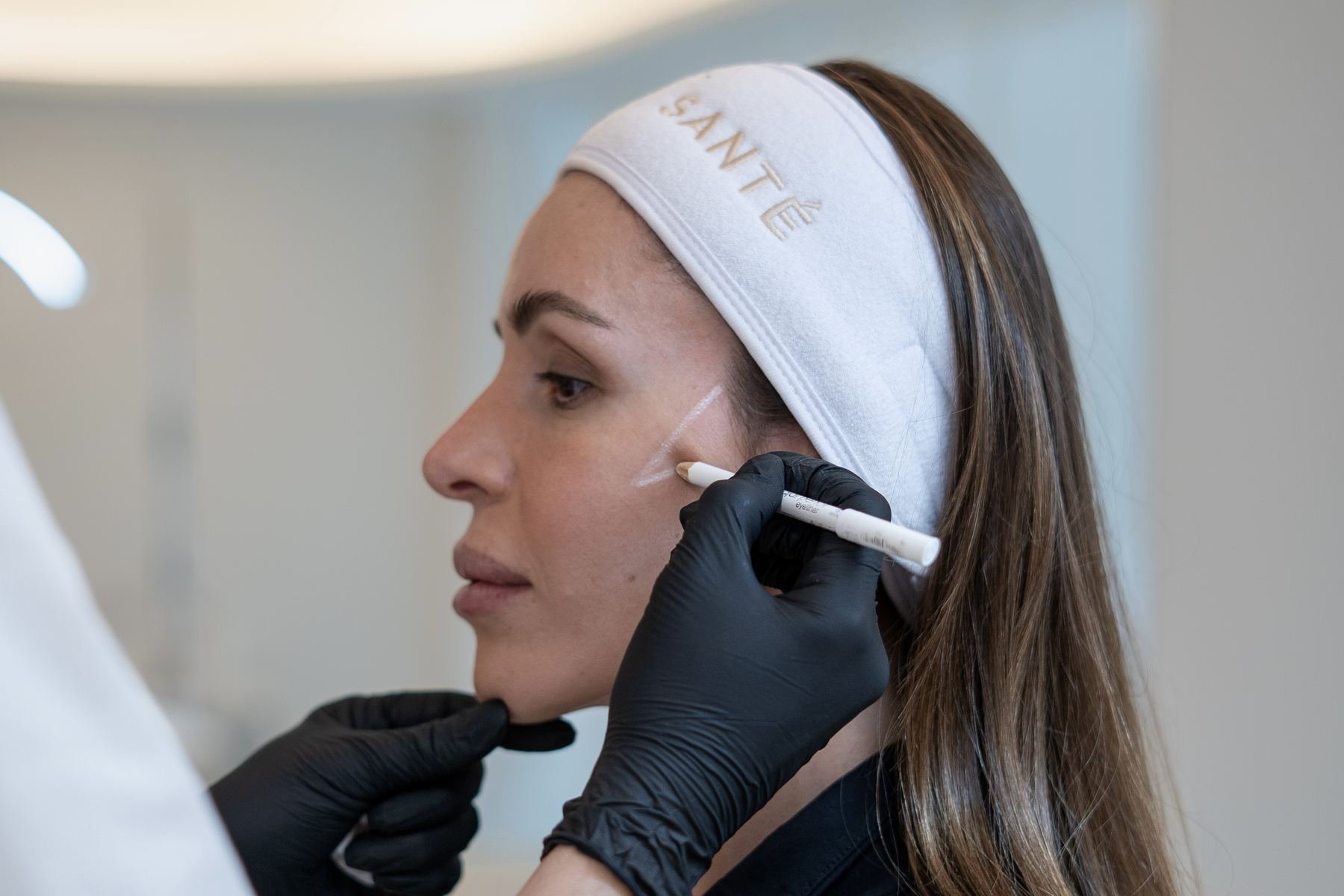
Lanluma Facial
Lanluma Facial
Stimulates natural collagen production with poly-L-lactic acid (PLLA) to restore volume, improve firmness, and enhance t...
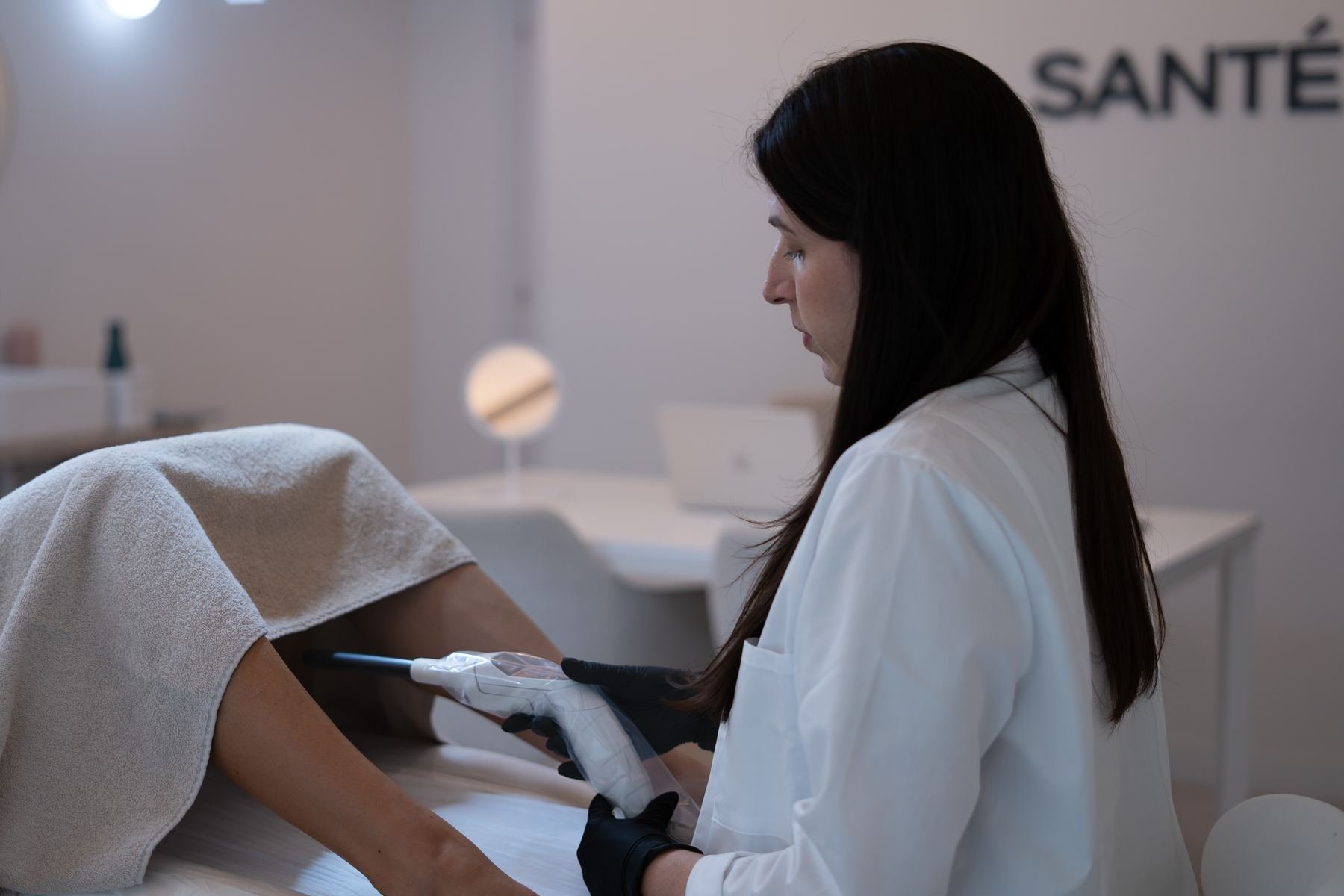
INDIBA Radiofrequency Female Intimate Area
INDIBA Radiofrequency Female Intimate Area
Stimulates natural collagen production and improves the quality, firmness and tone of intimate tissues using INDIBA radi...
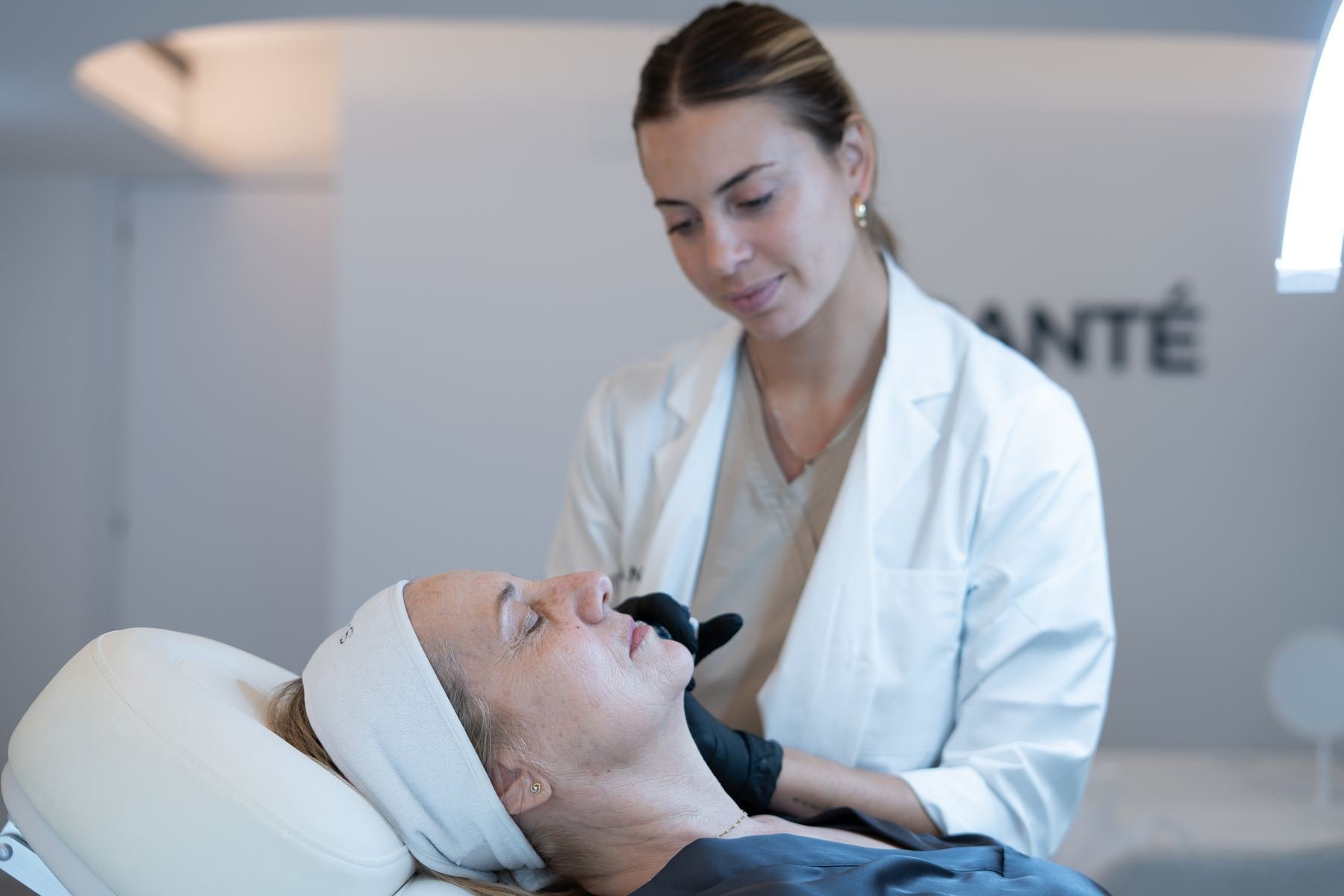
Perioral Lip Lines (Barcode Lines)
Perioral Lip Lines (Barcode Lines)
Smooths vertical perioral lines (barcode lines) and hydrates the skin around the lips using low-density hyaluronic acid,...
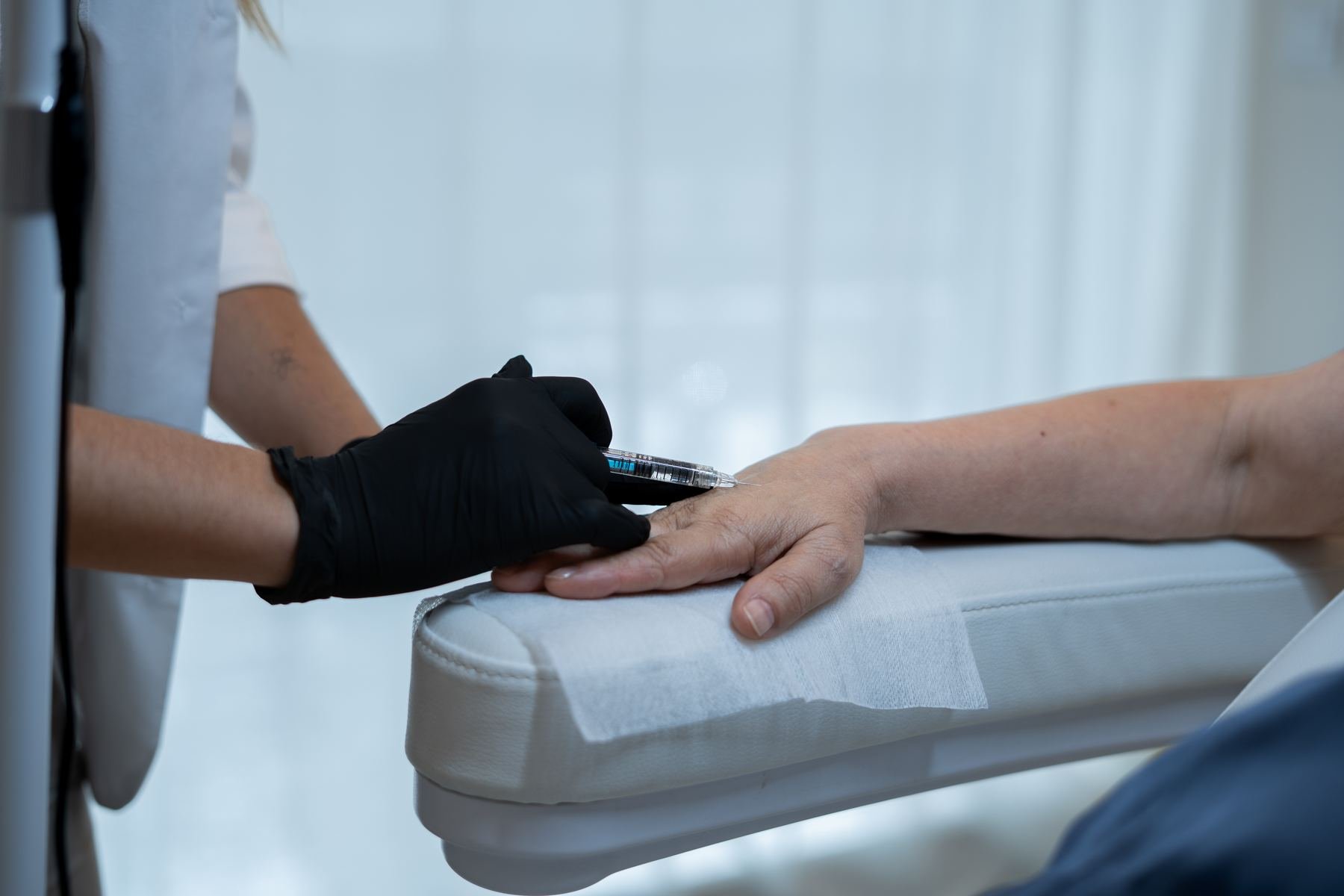
Hand Rejuvenation and Hydration
Hand Rejuvenation and Hydration
Improves hydration, quality and appearance of the skin on the hands through aesthetic medicine treatments, stimulating c...
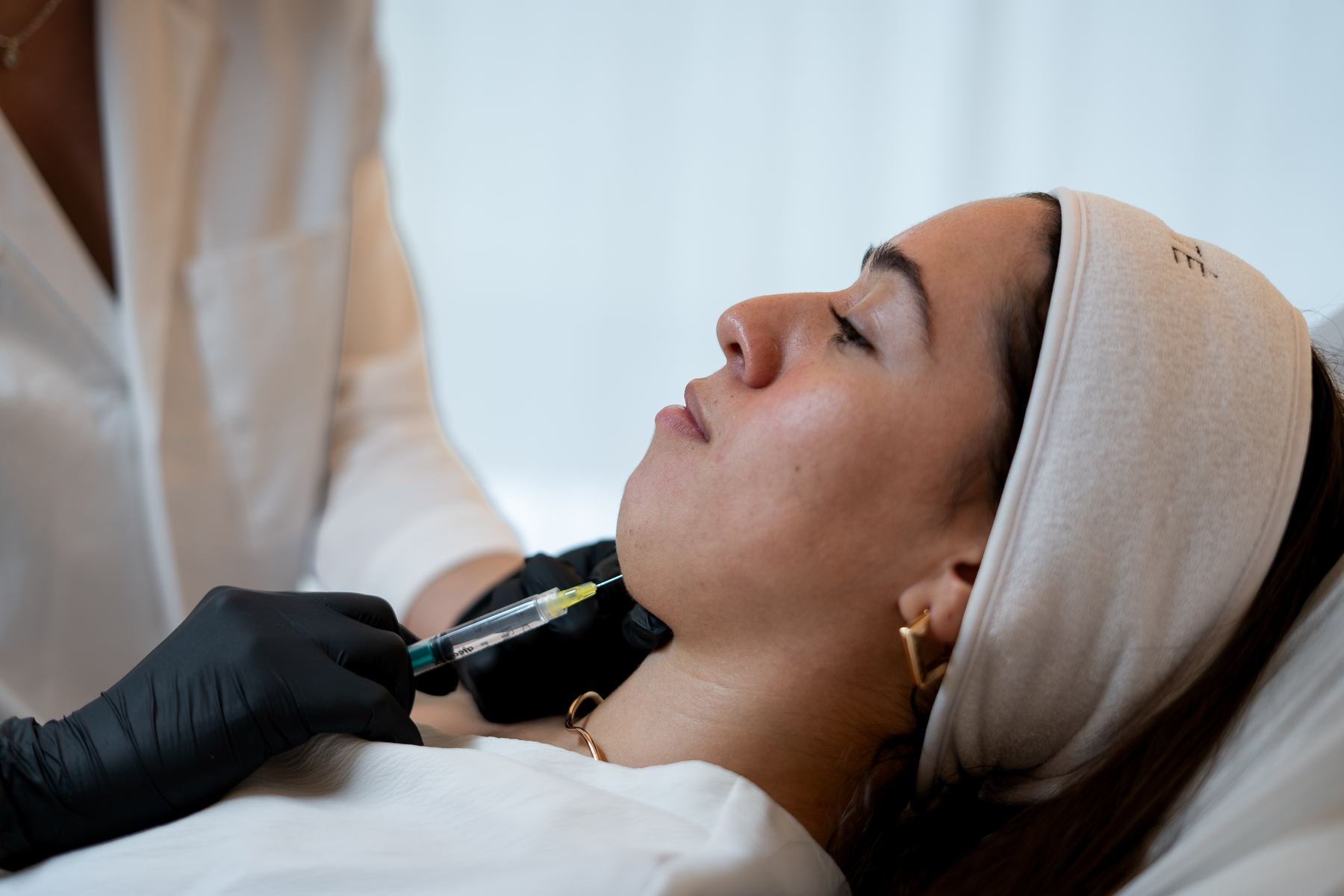
Lipolytic Enzymes for Facial Remodeling
Lipolytic Enzymes for Facial Remodeling
Improves facial contour by reducing localized fat, especially in the double chin area, without the need for surgery.
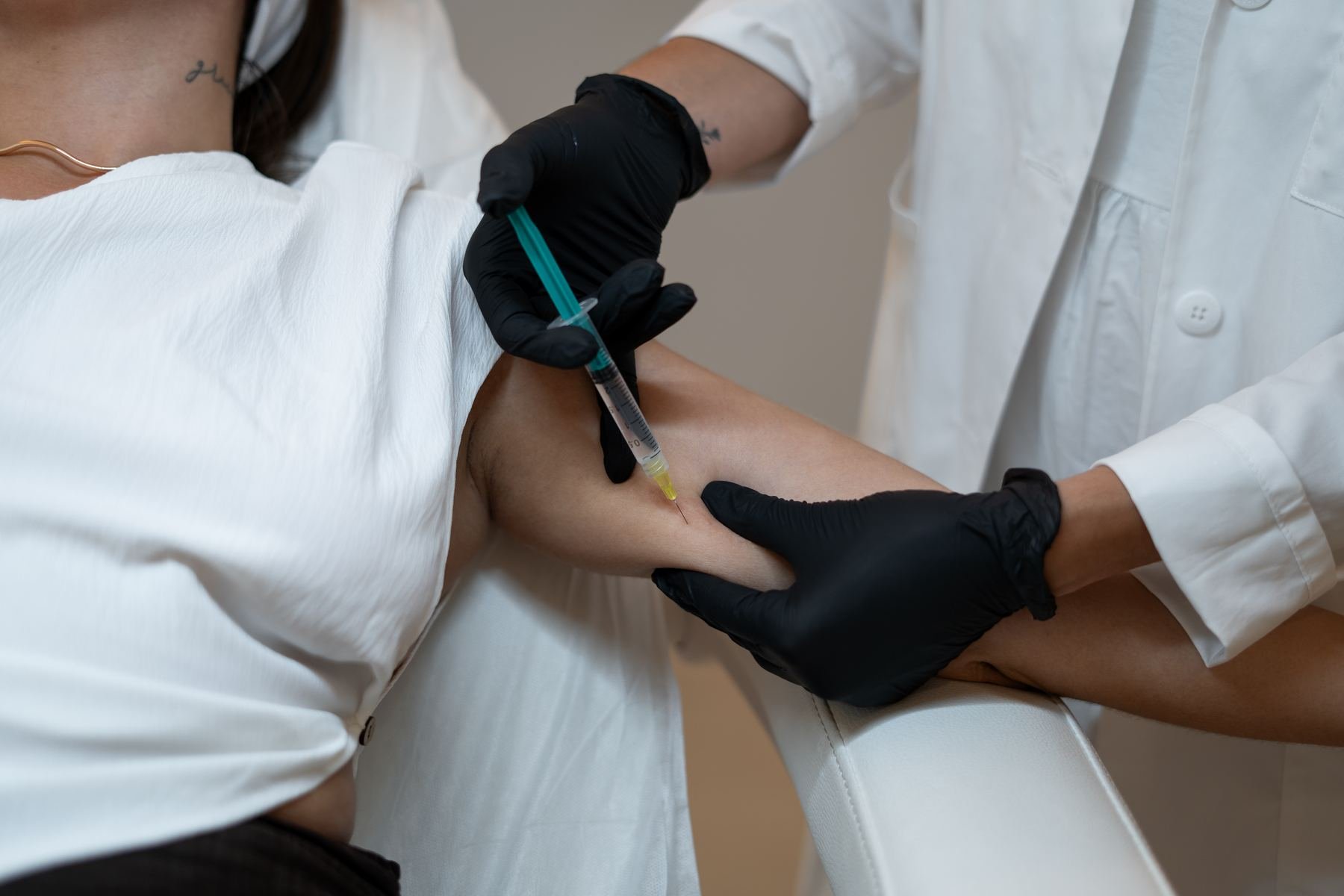
Lipolytic Enzymes for Body Remodeling
Lipolytic Enzymes for Body Remodeling
Improves body contour by reducing localized fat deposits in a personalized way, without surgery.
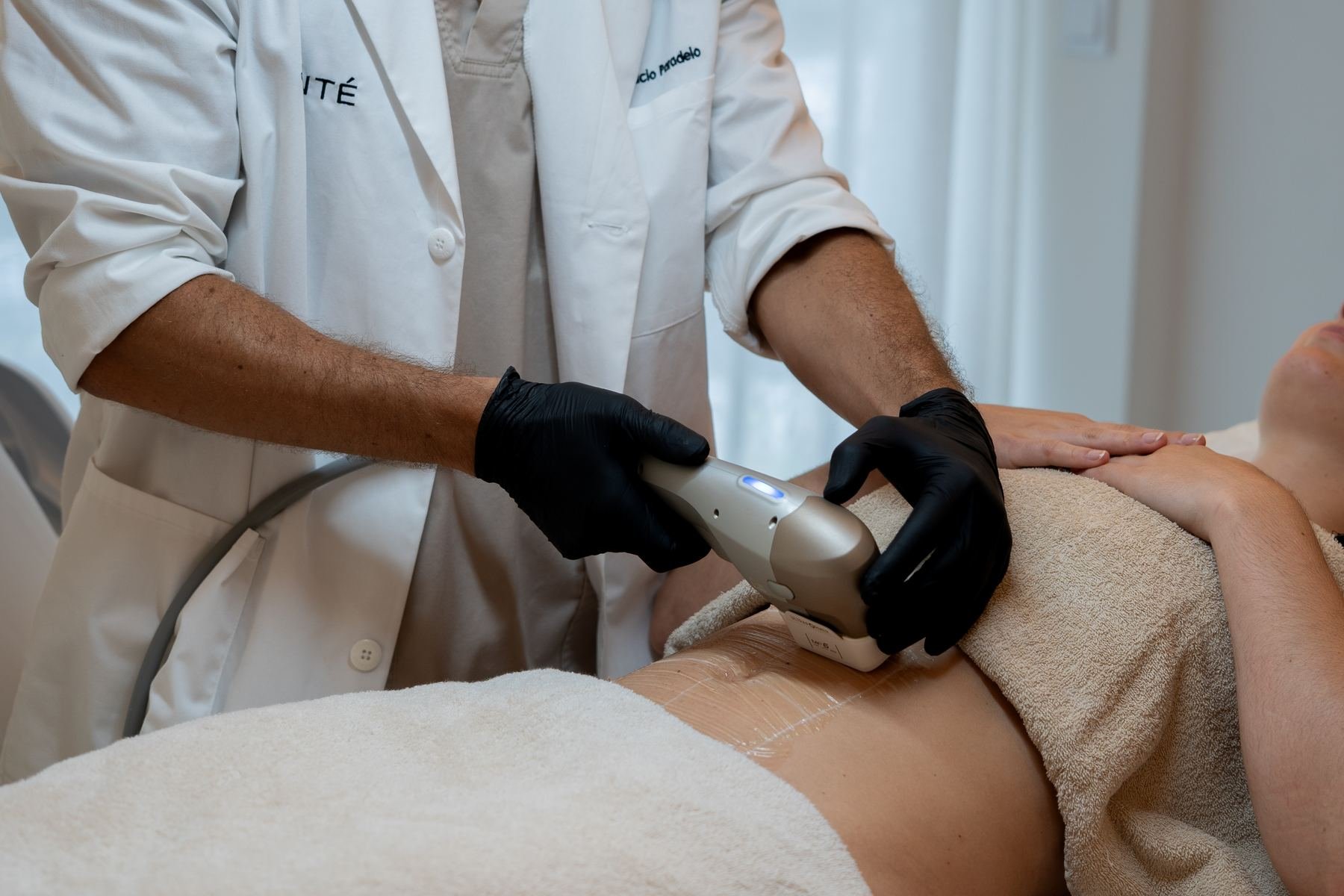
Body HIFU (Ultraformer MPT)
Body HIFU (Ultraformer MPT)
Firms the skin and improves body sagging in areas such as the arms, abdomen and knees using focused ultrasound, without ...
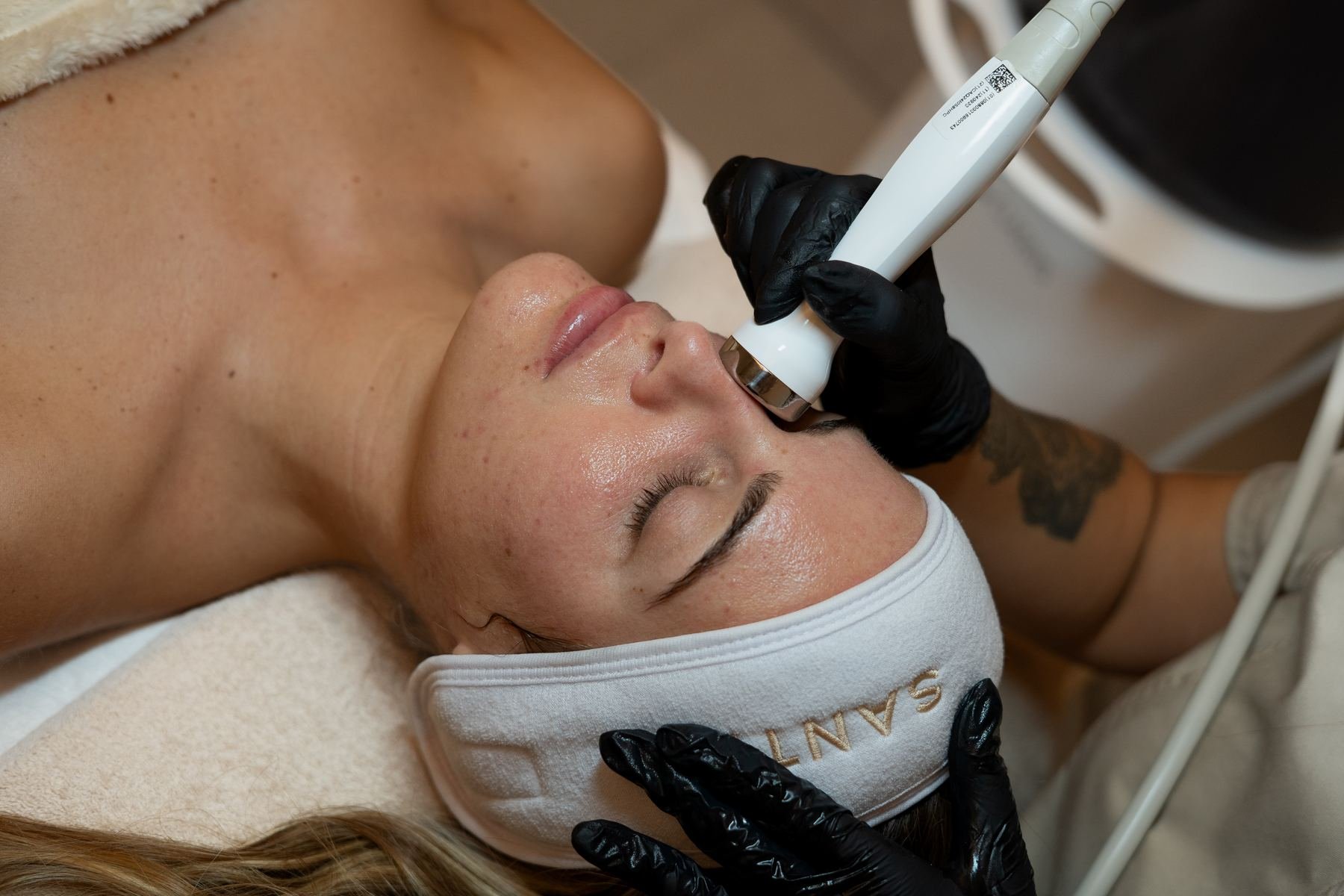
Acne Control
Acne Control
Deep facial cleansing for acne-prone skin: controls excess sebum, unclogs pores and improves the skin's appearance.
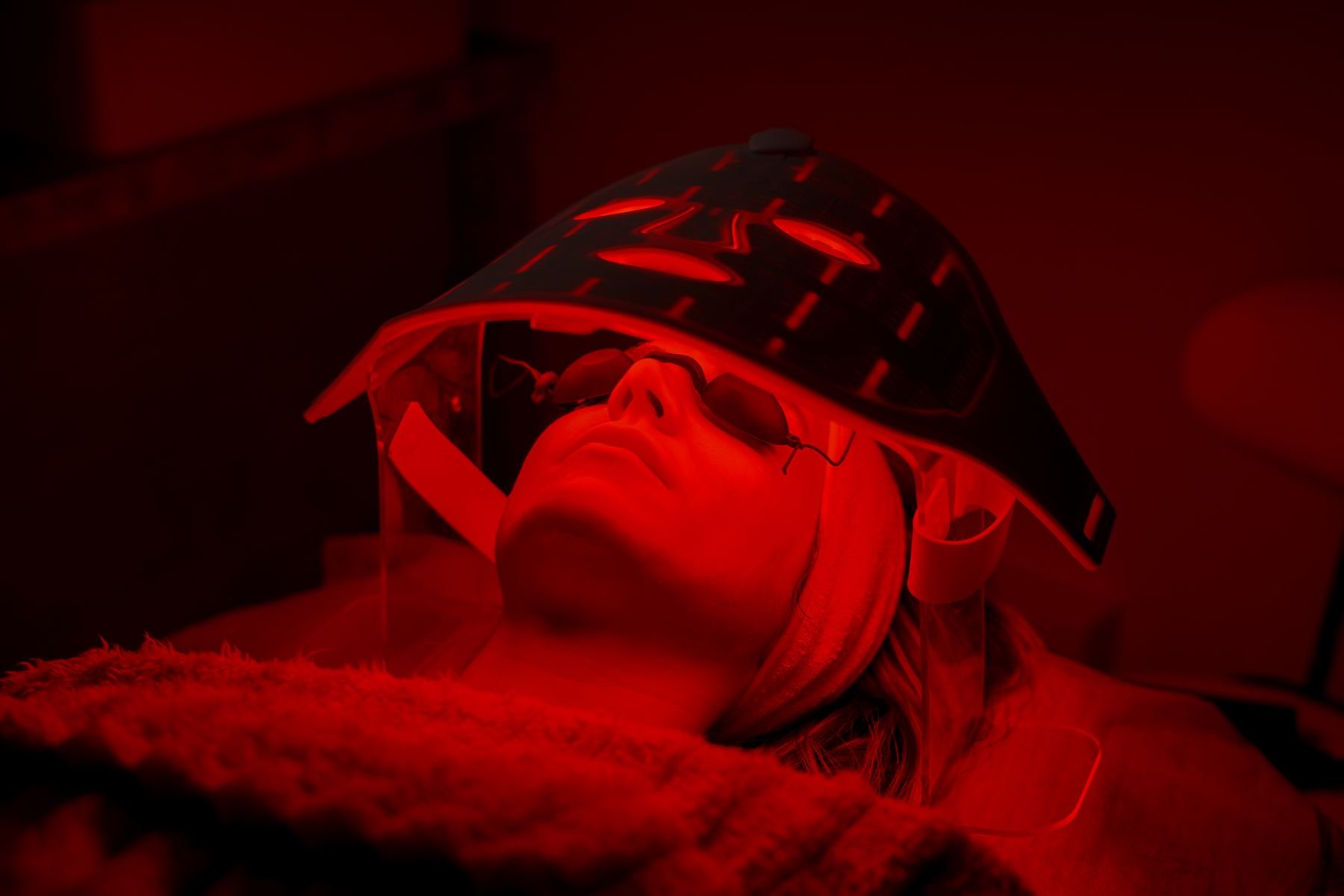
Calm Skin
Calm Skin
Soothing and hydrating facial treatment for sensitive, reactive or reddened skin: restores comfort, hydration and balanc...
Male Facial Harmonization - Young Face
Male Facial Harmonization - Young Face
Defines the jawline, sharpens facial angles, balances proportions and prevents expression lines, enhancing masculine fea...
Male Facial Harmonization - Mature Face
Male Facial Harmonization - Mature Face
Restores lost volume, corrects sagging and deep expression lines, and rejuvenates the mature male face while preserving ...
Female Facial Harmonization - Young Face
Female Facial Harmonization - Young Face
Enhances natural feminine beauty, balances facial proportions, gently defines contours and offers early prevention of th...
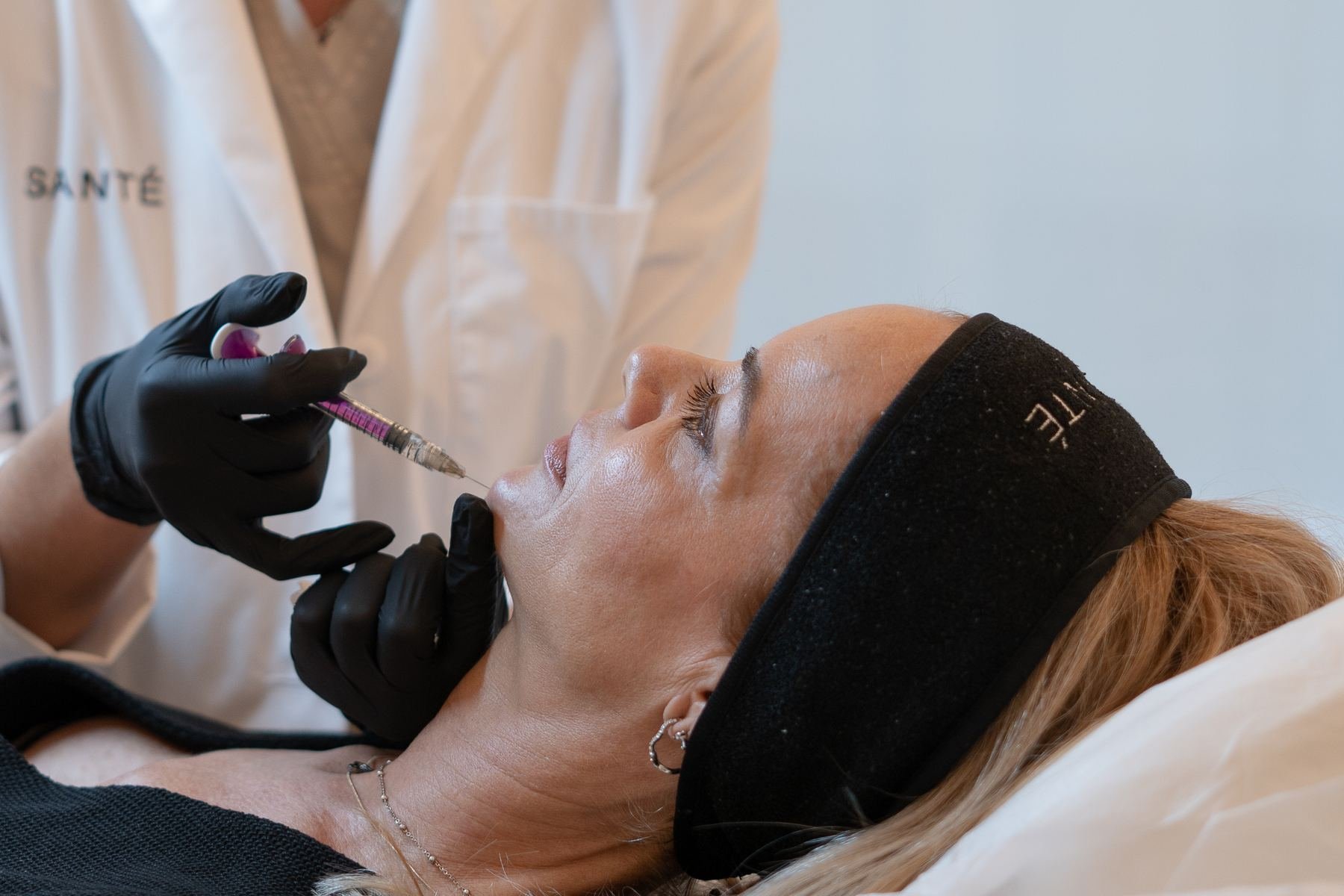
Female Facial Harmonization - Mature Face
Female Facial Harmonization - Mature Face
Restores lost volume, corrects sagging and deeper expression lines, and rejuvenates the mature face while enhancing natu...
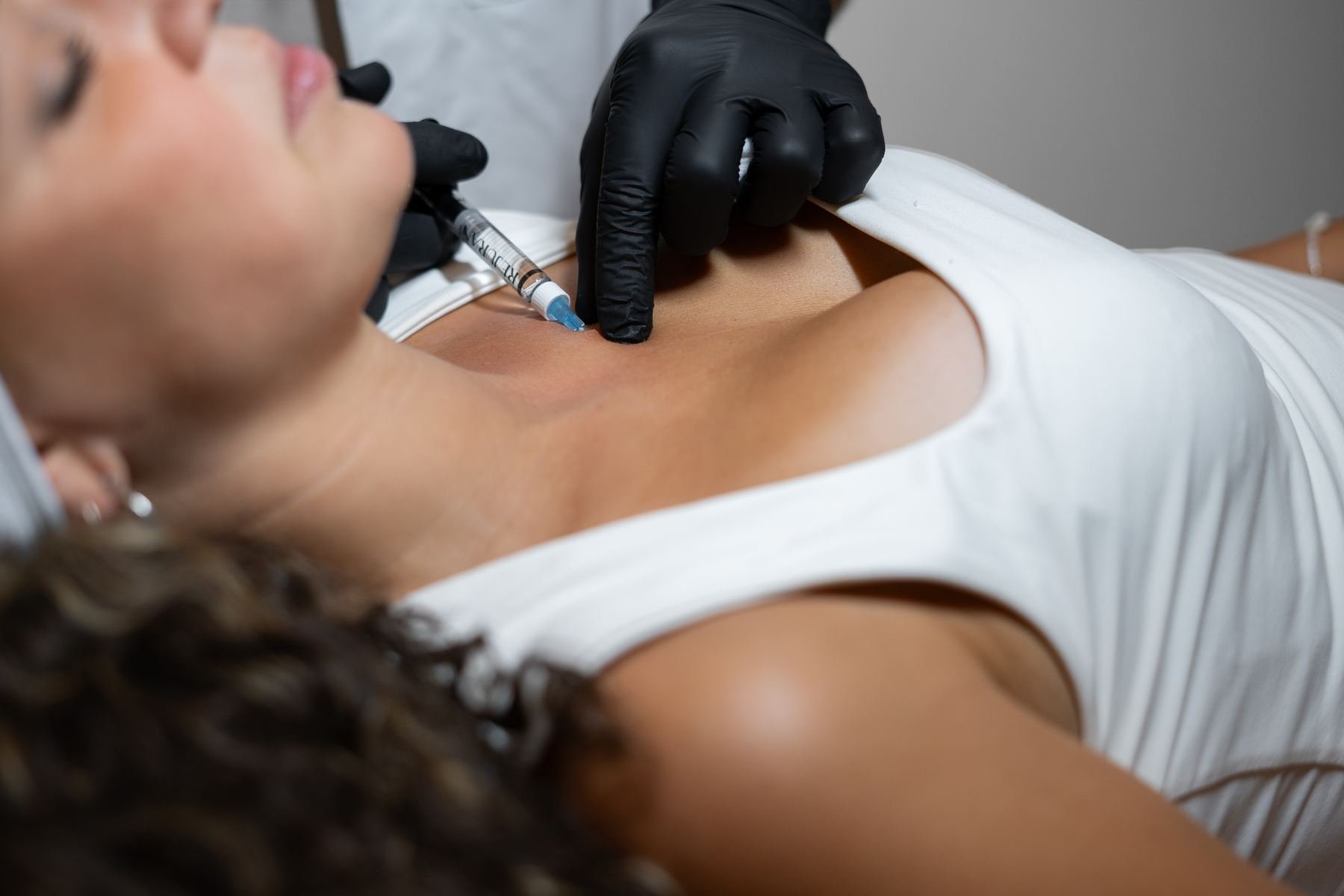
Polynucleotides Décolleté (Rejuran)
Polynucleotides Décolleté (Rejuran)
Improves the quality, firmness and hydration of the décolleté skin with polynucleotides, stimulating cellular regenerati...
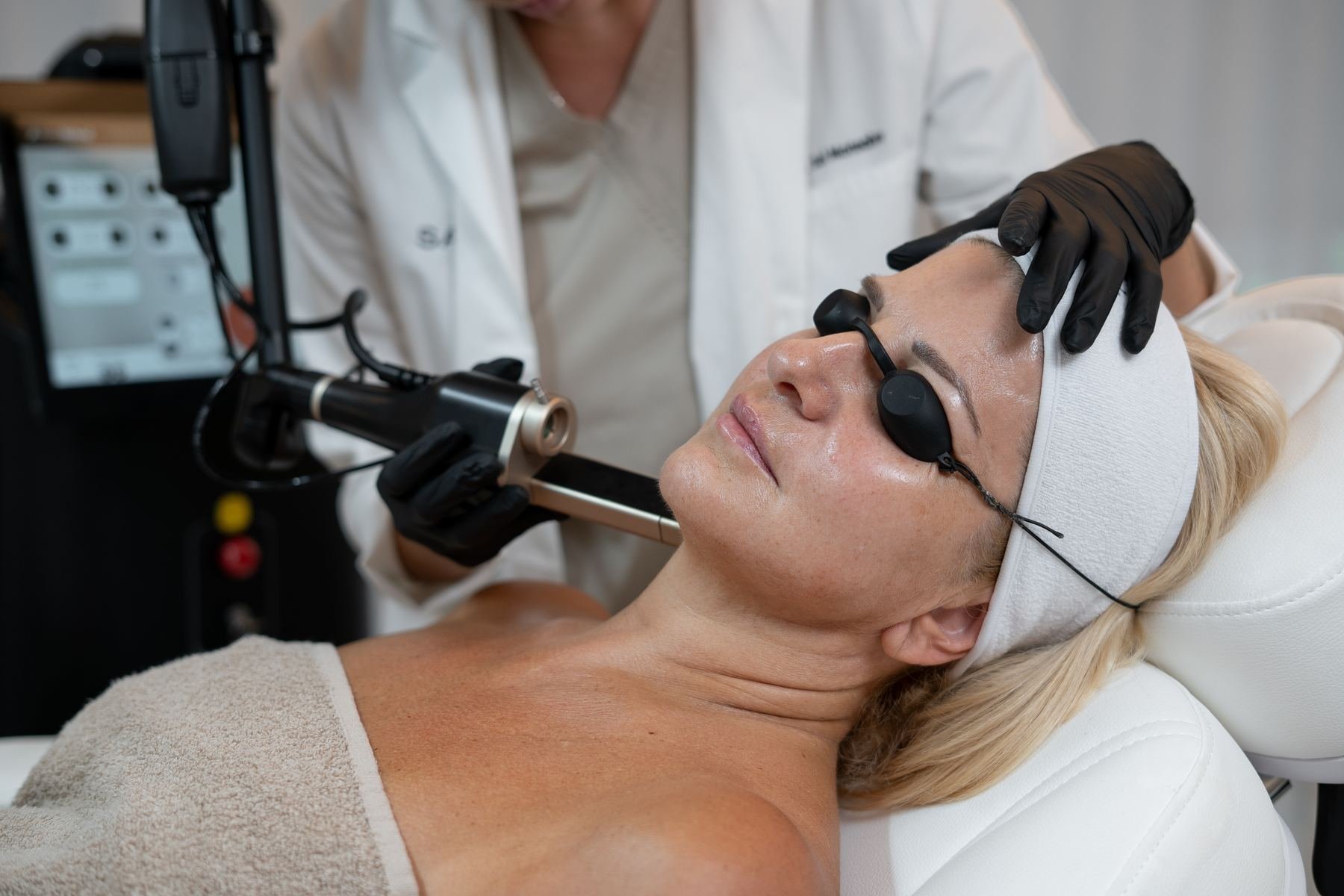
CO₂ Facial (Alma Hybrid)
CO₂ Facial (Alma Hybrid)
The CO₂ laser facial deeply renews the skin, stimulates collagen and improves wrinkles, texture, pores and superficial s...
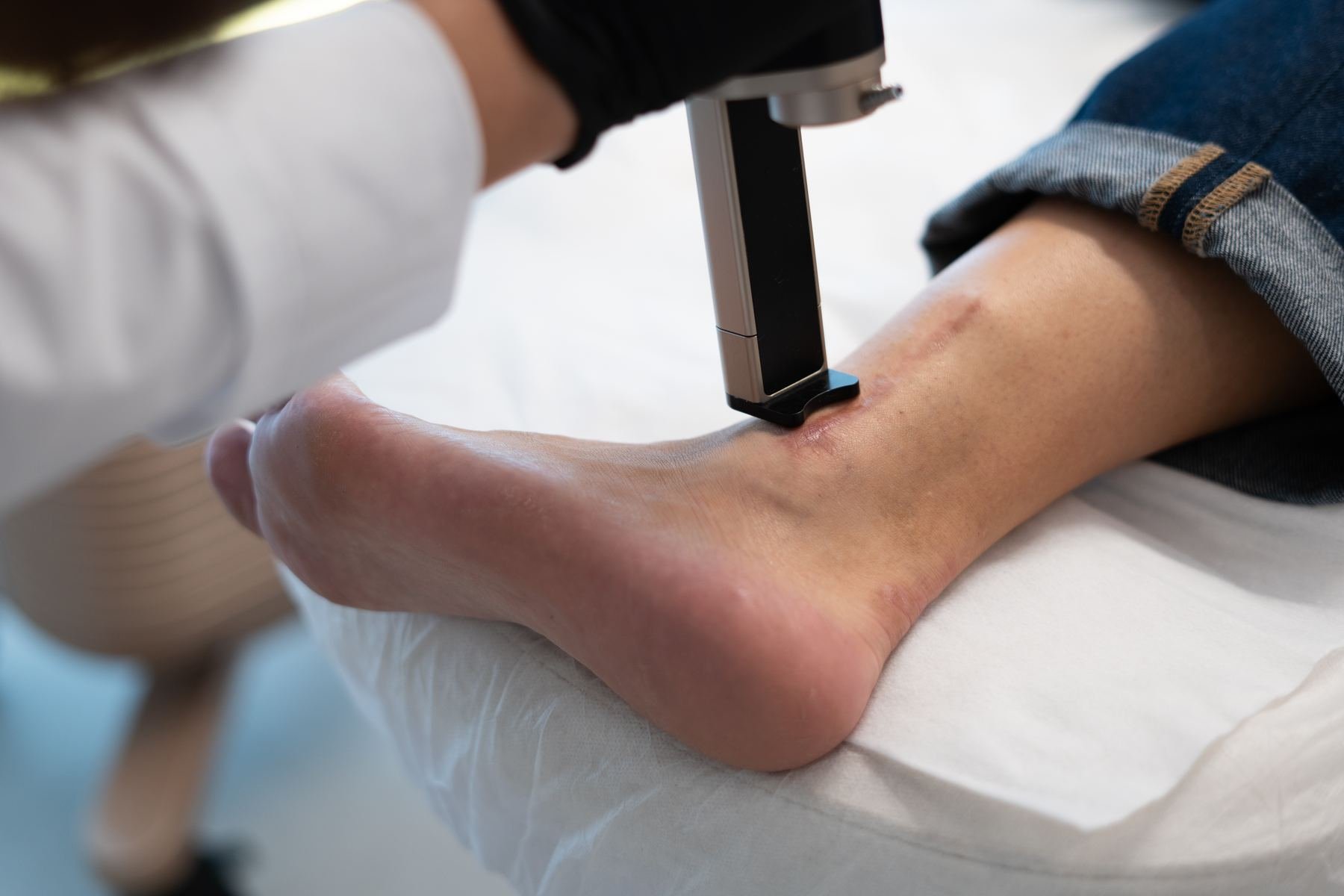
CO₂ Scars (Alma Hybrid)
CO₂ Scars (Alma Hybrid)
A laser treatment that renews the skin and stimulates collagen remodelling to progressively improve acne and surgical sc...
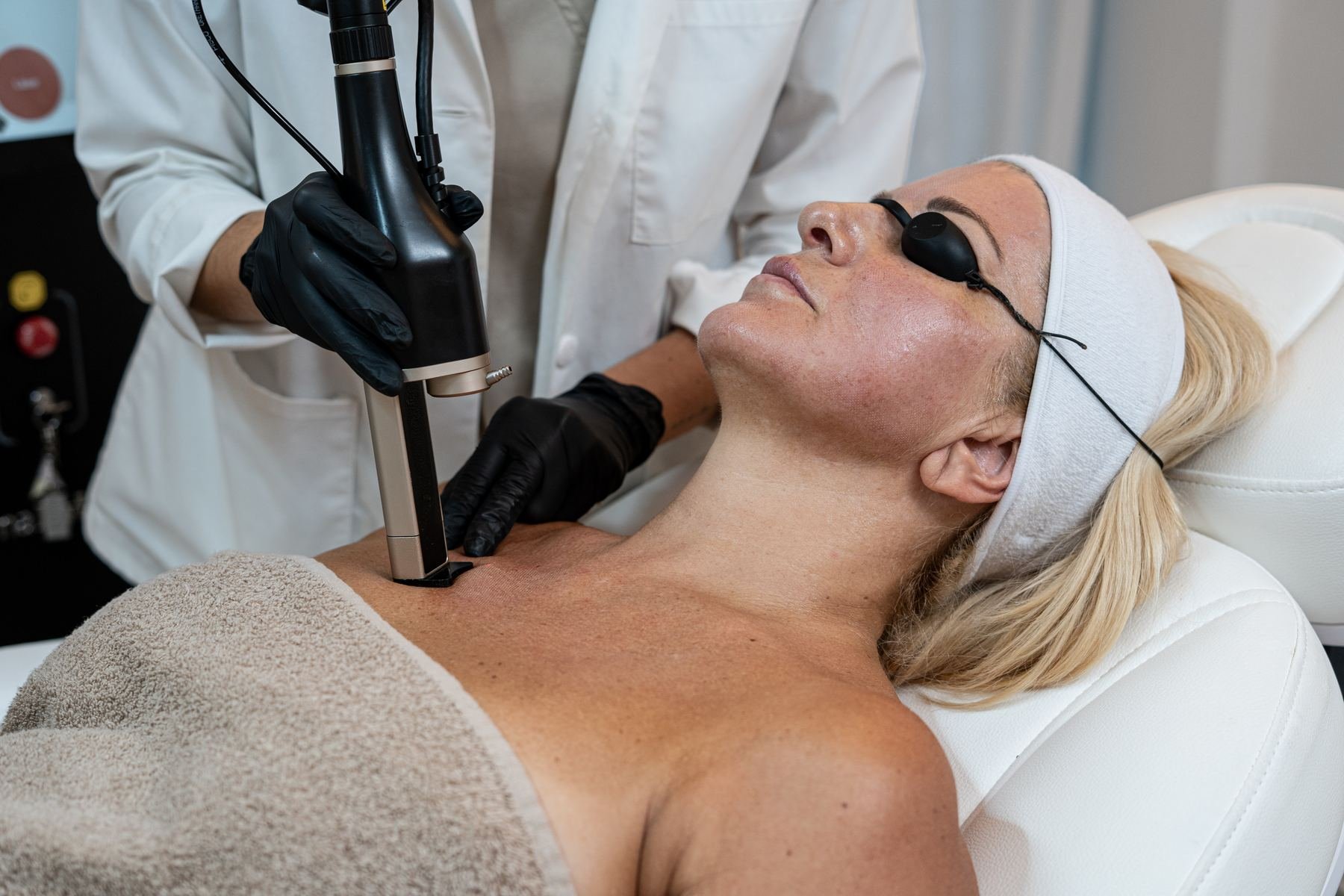
CO₂ Neck and Décolleté (Alma Hybrid)
CO₂ Neck and Décolleté (Alma Hybrid)
Skin renewal for the neck and décolleté with fractional CO₂ laser.
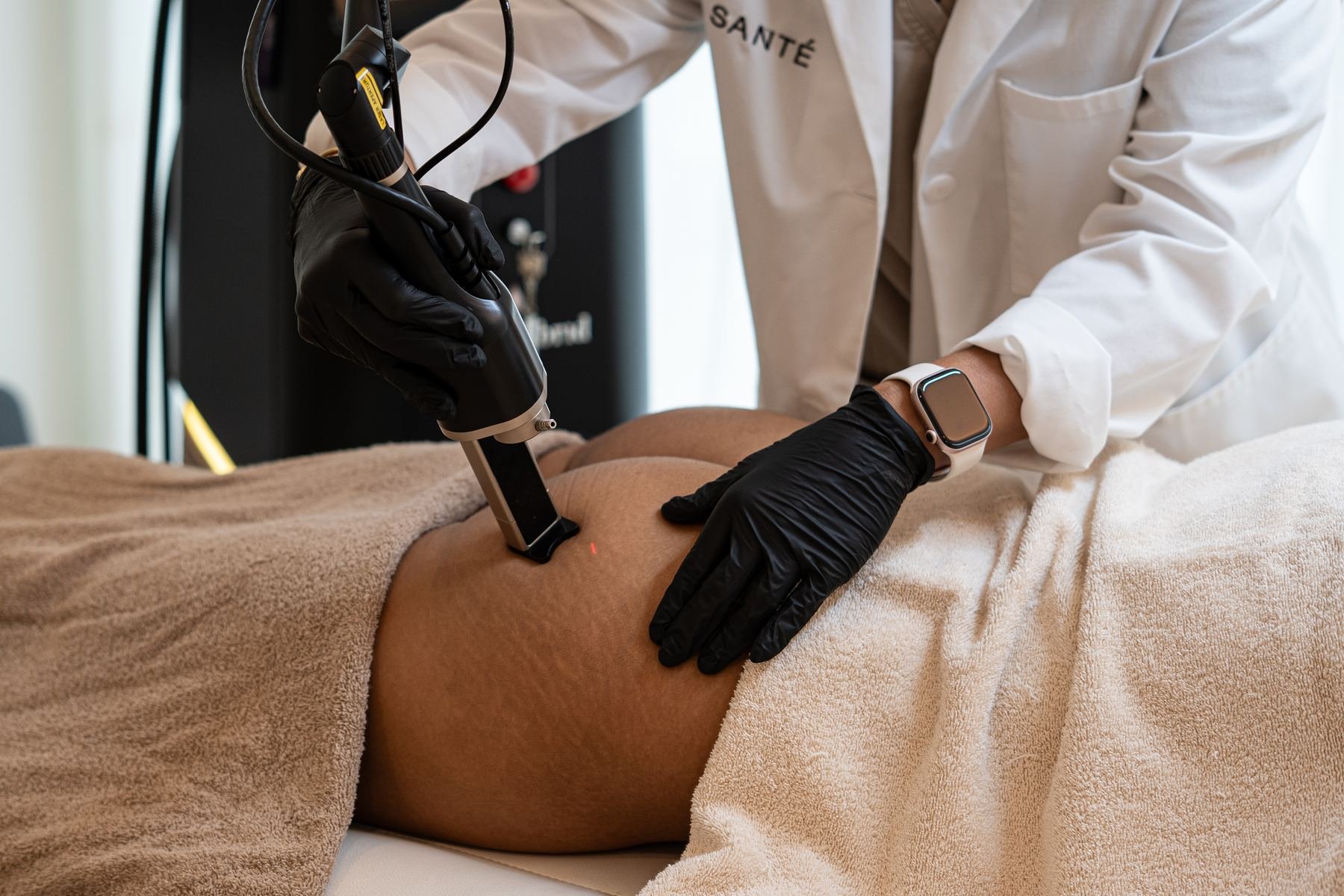
CO₂ Stretch Marks (Alma Hybrid)
CO₂ Stretch Marks (Alma Hybrid)
CO₂ Stretch Marks is a treatment designed to improve the texture and appearance of stretch marks through the controlled ...
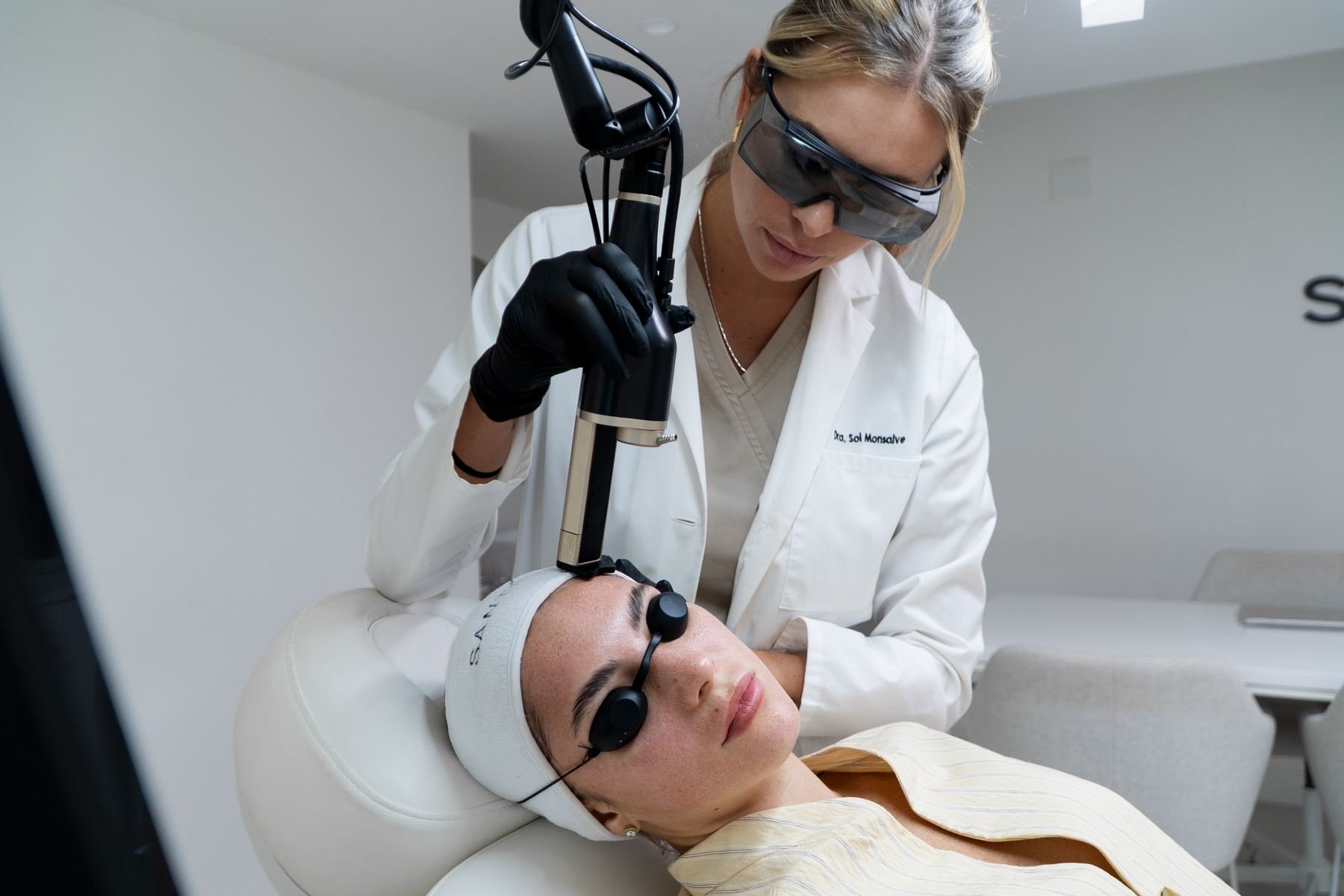
Collagen Stimulation with 1570nm Laser – Facial
Collagen Stimulation with 1570nm Laser – Facial
A non-ablative facial treatment with the 1570nm laser that stimulates the natural production of collagen for firmer, mor...
Collagen Stimulation with 1570nm Laser – Neck and Décolleté
Collagen Stimulation with 1570nm Laser – Neck and Décolleté
A non-ablative laser treatment that stimulates natural collagen production to progressively improve the firmness, textur...
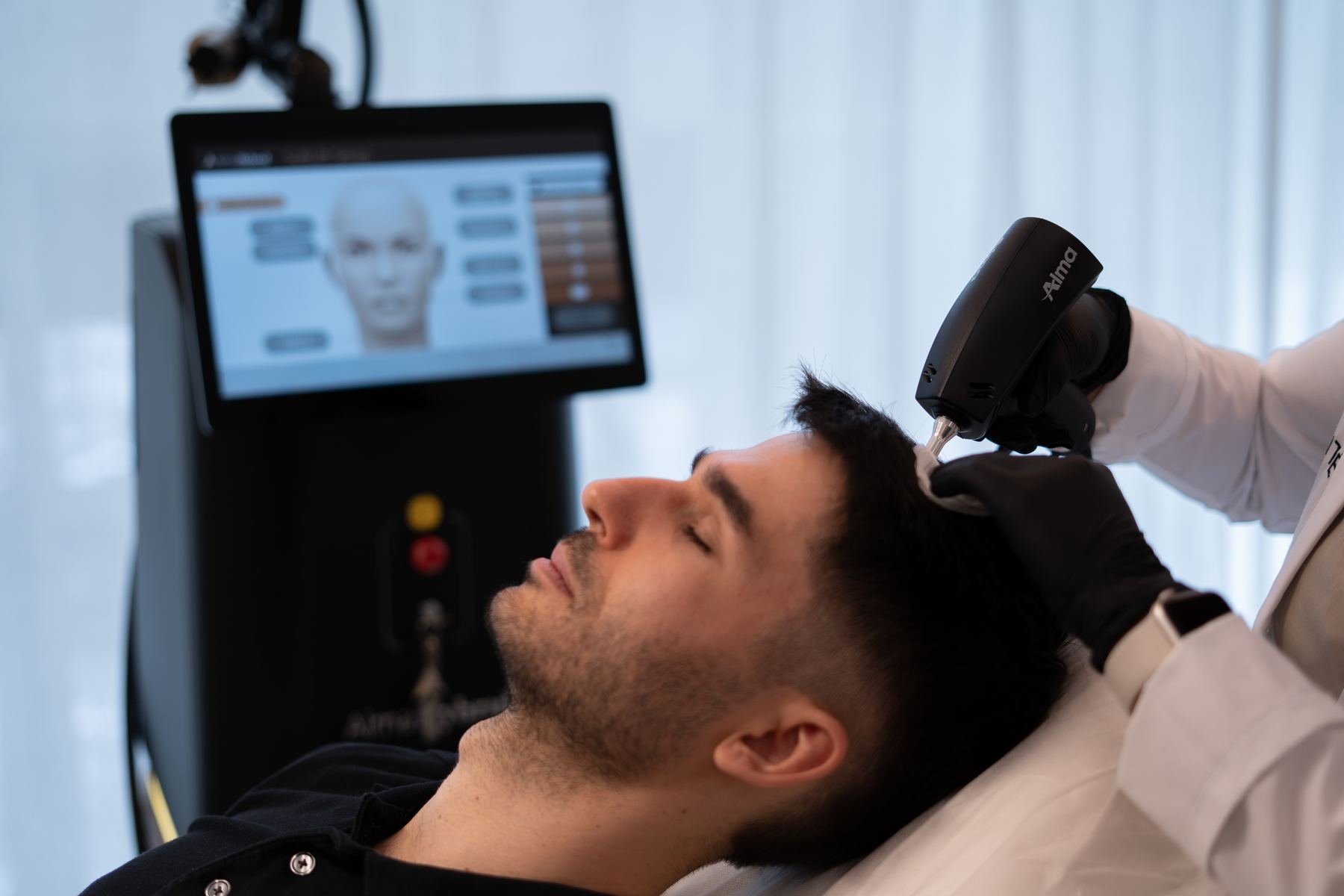
Transdermal Hair Infusion (IMPACT™ / TED · Alma Hybrid)
Transdermal Hair Infusion (IMPACT™ / TED · Alma Hybrid)
A needle-free hair treatment that, using Alma Hybrid's IMPACT™ / TED technology, enhances the penetration of active ingr...
Enzymes for Stretch Marks
Enzymes for Stretch Marks
Localised injection of enzymes that encourages tissue remodelling to progressively improve the appearance and texture of...
Deep Hydration with Hyaluronic Acid (Hydromax)
Deep Hydration with Hyaluronic Acid (Hydromax)
Hydration and biostimulation with hyaluronic acid that rehydrates the skin from within the dermis, improving firmness, e...
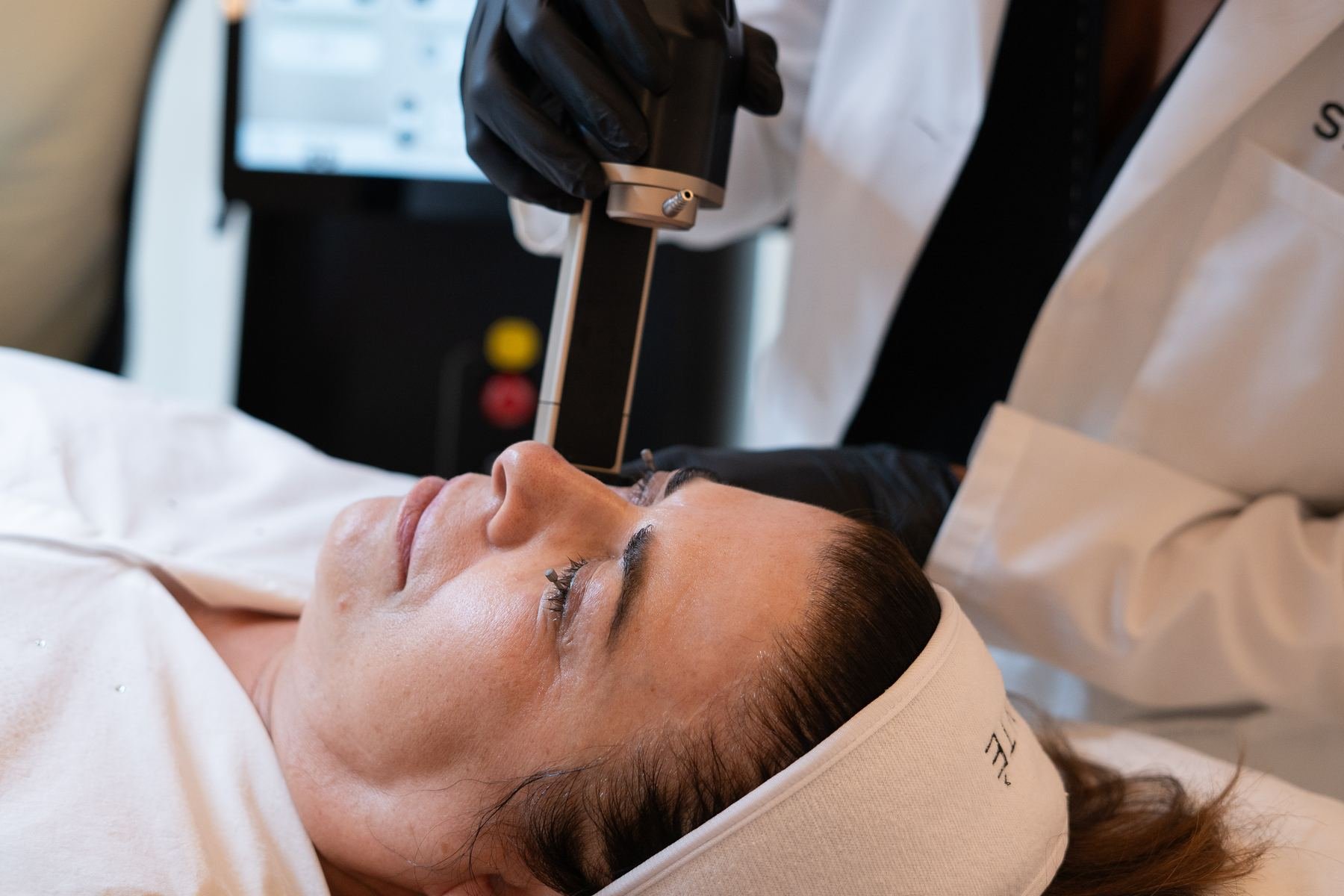
Benign Lesion Removal with CO₂ Laser (Alma Hybrid)
Benign Lesion Removal with CO₂ Laser (Alma Hybrid)
A medical procedure with the Alma Hybrid CO₂ laser that removes superficial benign skin lesions precisely, without surge...
Lip Rejuvenation with CO₂ Laser (Alma Hybrid)
Lip Rejuvenation with CO₂ Laser (Alma Hybrid)
Lip resurfacing with the Alma Hybrid CO₂ laser that revitalises the tissue, softens vertical lines and redefines the lip...
1 / 115
Contact
Experience Santé
Visit Santé Clinics in Barcelona to meet the team and discuss your treatment options. Madrid is coming soon.
Avenida Diagonal 384, Barcelona, Spain
Mon–Fri 9:00–21:00
Sat–Sun 10:00–20:00
+34 699 14 58 87